
Beautiful Plants For Your Interior
Beautiful Plants For Your Interior
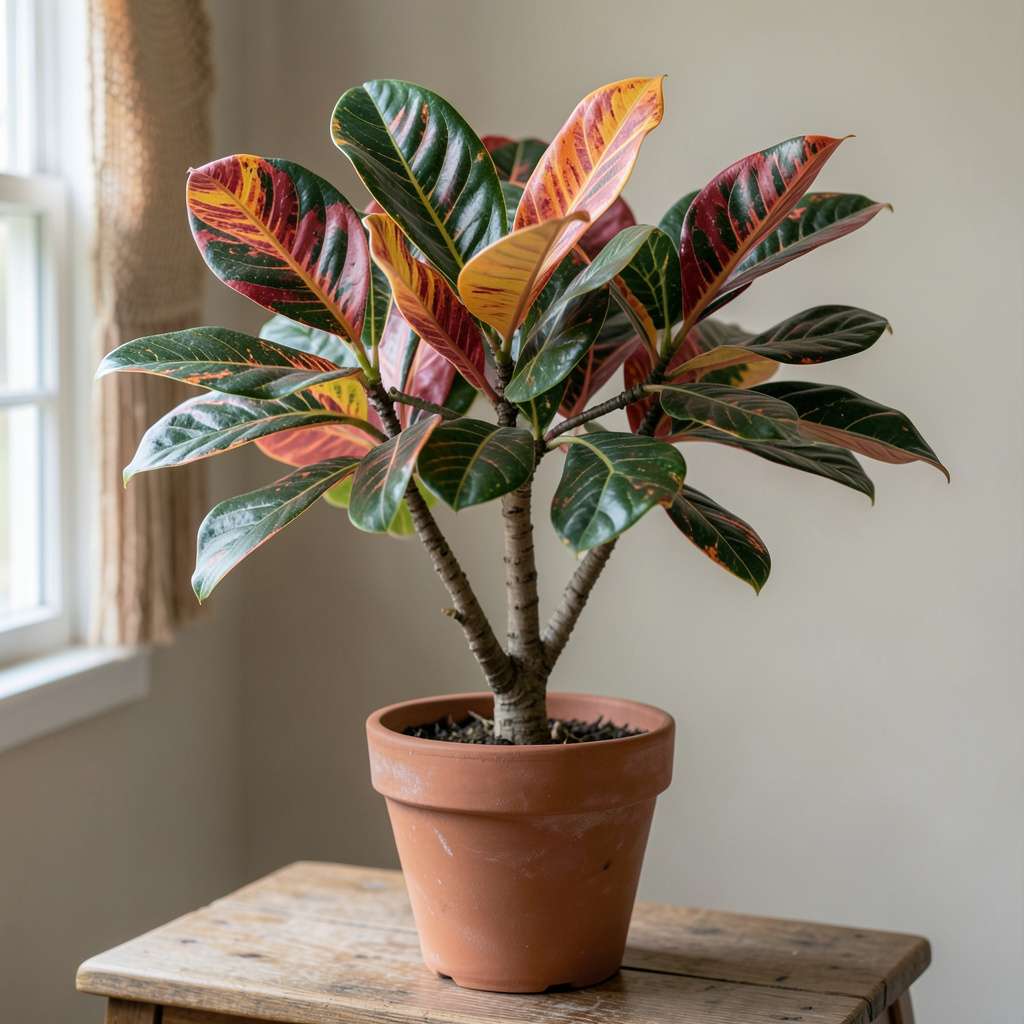
Yes, croton plants (Codiaeum variegatum) are highly toxic to cats. All parts contain irritating sap that causes oral irritation, excessive drooling, vomiting, and diarrhea if ingested. Immediate veterinary care is recommended if exposure occurs.
I’ve seen firsthand how dangerous these colorful plants can be for feline friends. The milky sap contains diterpene esters that trigger violent reactions—even a small nibble can lead to painful mouth ulcers and digestive distress. What makes crotons particularly risky is their bright, dangling leaves, which naturally attract curious cats. 🐾
Unlike some toxic plants where only certain parts are dangerous, crotons pose a threat from root to leaf tip. The irritation starts within minutes, making quick action critical. I always recommend keeping these plants in cat-free zones or opting for safer alternatives like spider plants or peperomias.
💡 In This Article
The danger in crotons comes from their milky white sap, which contains 5-deoxyingenol and diterpene esters—two compounds that act like chemical irritants. These substances trigger an immediate inflammatory response in cats’ mouths and digestive tracts.
When a cat bites into a croton leaf, the sap coats their oral tissues, causing cells to release histamine and other inflammatory mediators within minutes. 🔥
What makes these toxins particularly nasty is their dual-action mechanism. First, they directly damage cell membranes in the mouth and esophagus, creating painful ulcers. Second, they stimulate nerve endings, causing intense burning sensations.
A study in the Journal of Veterinary Toxicology found that just 0.1 grams of croton sap (about two drops) can induce vomiting in a 10-pound cat. The reaction is often more severe than with poinsettias, which contain similar but less potent irritants.
The toxicity doesn’t stop at the mouth. Once ingested, these compounds disrupt the stomach lining, leading to gastrointestinal hypermotility—essentially forcing the digestive system into overdrive. This explains why affected cats often experience both vomiting and diarrhea simultaneously. The sap’s irritating properties are so strong that even skin contact can cause dermatitis in sensitive animals. ✨
Unlike some plant toxins that require large quantities to cause harm, croton’s irritants work at microscopic doses. The plant evolved these compounds as a defense against herbivores, making them particularly effective at deterring animals. For comparison, croton’s irritation potential is about 3x stronger than that of philodendrons, another common toxic houseplant.
This potency means even brushing against broken leaves can transfer enough sap to cause problems.
Veterinary pathologists note that croton poisoning cases often show eosinophilic inflammation—a specific type of white blood cell response indicating allergic-like reactions. This explains why some cats develop facial swelling or hives after exposure. The toxins also interfere with normal saliva production, which is why excessive drooling is such a common first sign. 💫
Here’s what’s happening at the cellular level: The diterpene esters bind to protein kinase C enzymes in feline cells, triggering uncontrolled calcium release. This cellular chaos leads to membrane breakdown and the characteristic blistering seen in croton poisoning cases.
The reaction continues until the body can metabolize and eliminate these compounds, which typically takes 12-24 hours with proper veterinary treatment.
Reactions typically start within 5-15 minutes of contact or ingestion. The first signs are usually excessive drooling and pawing at the mouth. More severe symptoms like vomiting may follow within 30-60 minutes if the sap is swallowed.
First, remove any plant material from their mouth gently. Rinse their mouth with cool water if possible. Contact your vet immediately—don’t wait for symptoms to appear. Bring a photo of the plant for quick identification at the clinic.
No, all parts contain the toxic sap—leaves, stems, roots, and even the soil if contaminated. The concentration is highest in leaves and stems, but even small amounts from any part can cause reactions. Always treat the entire plant as dangerous.
Yes, direct contact with broken leaves or sap can cause dermatitis in sensitive cats. Look for redness, itching, or hair loss where the sap touched their fur. Wash the area immediately with mild soap and water.
With prompt veterinary treatment, most cats recover within 24-48 hours. Severe cases may require supportive care for up to 3-5 days. The key is early intervention to prevent dehydration from vomiting/diarrhea.
