
Beautiful Plants For Your Interior
Beautiful Plants For Your Interior
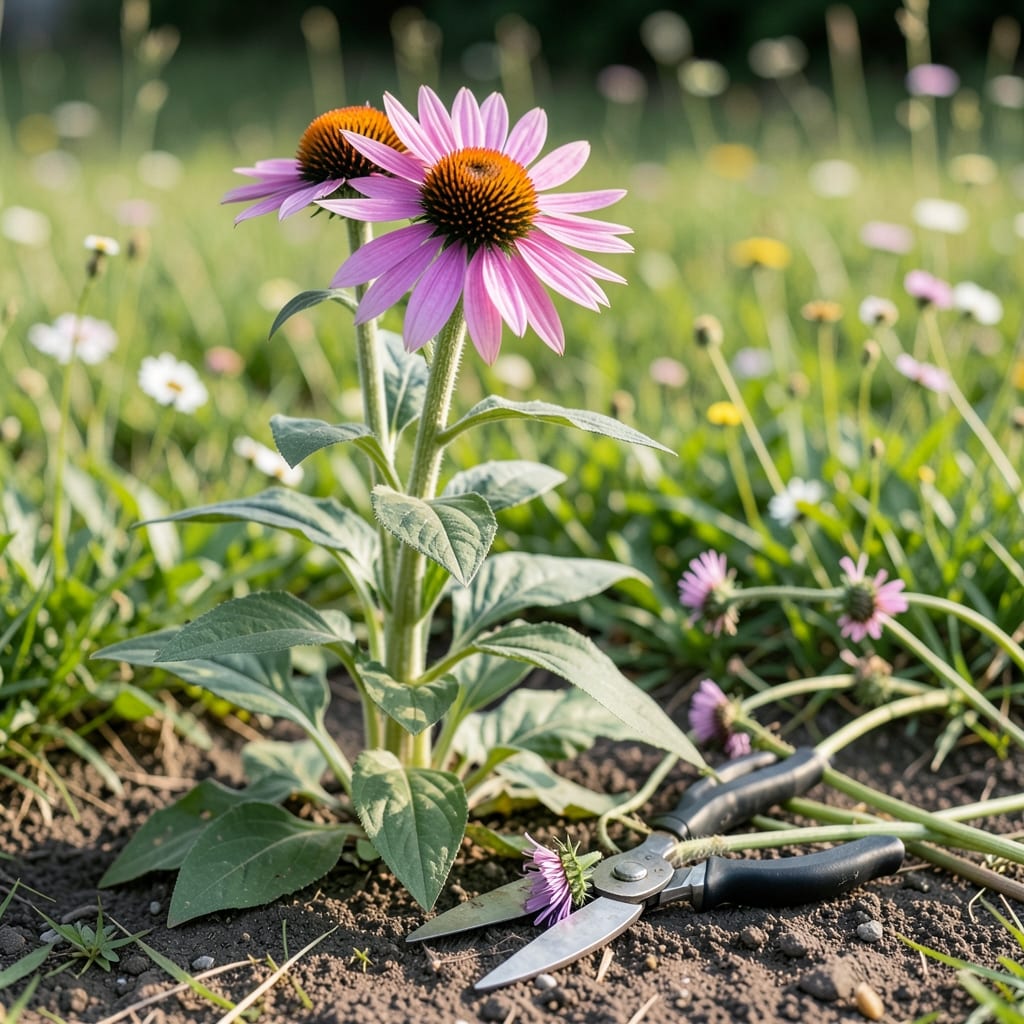
Yes, coneflowers are cut-and-come-again plants that often produce new blooms after deadheading or light harvesting, especially when cut back properly.
I’ve seen firsthand how these hardy perennials bounce back after a trim. The secret lies in cutting just above a set of healthy leaves or a side bud, which signals the plant to redirect energy into new growth. 🌟 This method works best in early summer when the plant is actively growing, and you can often enjoy a second wave of vibrant blooms within 4-6 weeks.
💡 In This Article
The regrowth process in coneflowers is triggered by auxin redistribution. When you cut the main stem, you remove the dominant growth tip, which suppresses the hormone that normally inhibits side shoots. This allows dormant buds at the leaf nodes to activate and sprout new stems.
The plant then redirects its energy from seed production to vegetative growth.
Seasonal timing plays a crucial role in this process. Coneflowers cut in early to mid-summer have the best chance of regrowing, as they still have 6-8 weeks of active growing season ahead. The ideal temperature range for this regrowth is 65-80°F, which supports rapid cell division.
Each new stem can produce 2-5 fresh blooms within a month. ✨
What most gardeners don’t realize is that coneflowers use their extensive root system as an energy reserve. These deep roots store carbohydrates that fuel the regrowth. The Echinacea species, in particular, has a taproot that can reach 12-18 inches deep, giving it access to moisture and nutrients that support recovery after cutting.
For optimal results, cut stems at a 45-degree angle just above a leaf node. This increases the surface area for water uptake and prevents disease. The plant responds by producing new shoots within 7-14 days, with visible flower buds forming after about 3 weeks. Regular deadheading can extend the blooming season by 4-6 weeks. 🔥
The regrowth isn’t just limited to flowers. You’ll often notice fresh foliage sprouting from the base as well, creating a fuller plant. This secondary growth typically appears 2-3 weeks after the initial cut. The new leaves emerge with a slightly different shape—more oval than the original lance-shaped foliage—until they mature.
You’ll typically see fresh shoots within 7-14 days, with new flowers forming in about 3-4 weeks. This timeline works best when cutting in early to mid-summer.
Aim to leave 12-18 inches of stem from the base. This ensures enough foliage remains for photosynthesis while encouraging new growth from leaf nodes below your cut.
Avoid cutting more than 20-30% of stems at a time. Removing too much stresses the plant and may delay regrowth. Space out harvests over 2-3 weeks.
Yes! Removing spent blooms with 2-3 inches of stem prevents seed formation and redirects energy to new flowers. This often extends blooming by 4-6 weeks.