
Beautiful Plants For Your Interior
Beautiful Plants For Your Interior
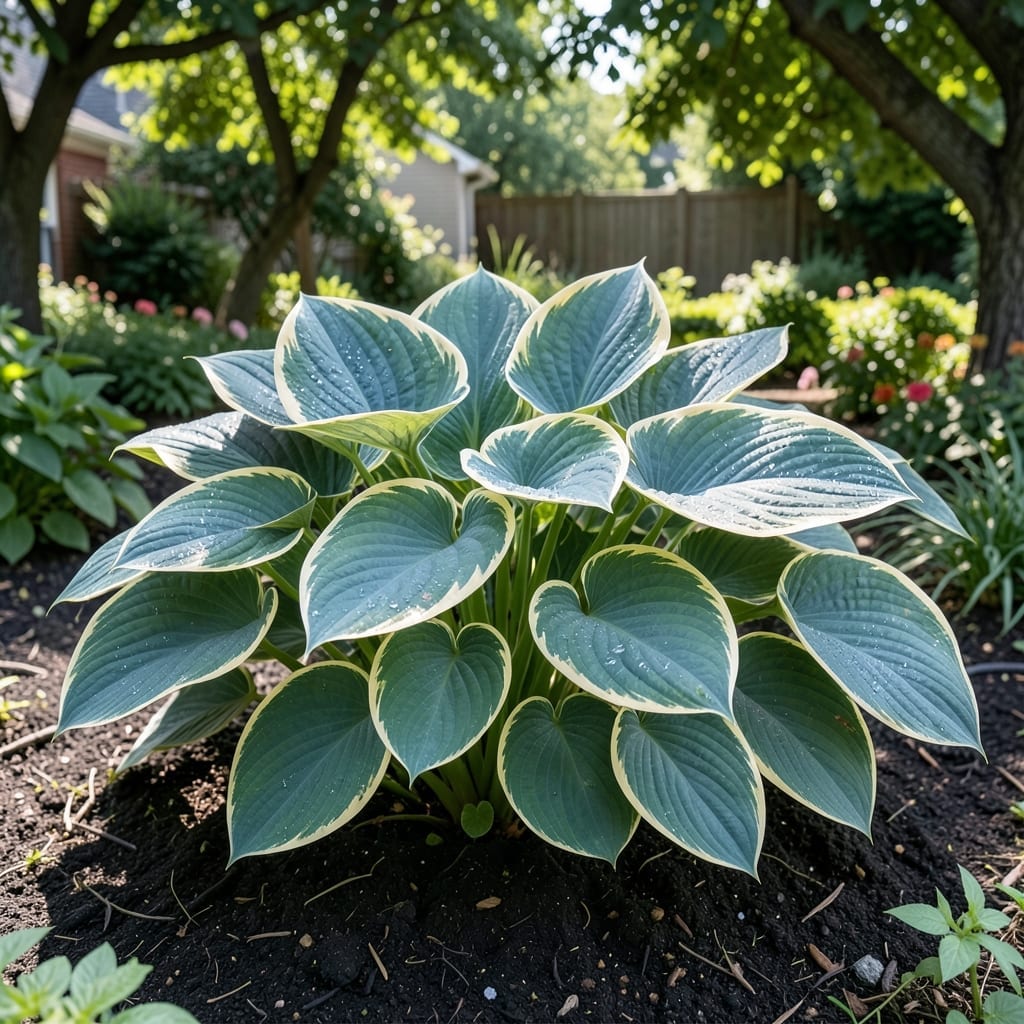
Colored hostas are completely real and naturally occurring. These vibrant varieties result from selective breeding and genetic variations, producing foliage in shades of blue, gold, white, and even red.
I’ve seen these striking plants firsthand—they’re no garden myth. The rich hues come from pigment variations in the leaves, often influenced by light exposure and soil conditions. 🌟 Breeders have cultivated hundreds of varieties over decades, with some like ‘Halcyon’ or ‘June’ becoming garden favorites for their dramatic color shifts throughout the season.
💡 In This Article
The vibrant hues in hostas stem from pigment interactions. Chlorophyll gives the green base, while carotenoids produce yellows and oranges. Anthocyanins create the blues, purples, and reds, with intensity varying by cultivar. The ‘Blue Angel’ variety, for example, has a waxy coating that enhances its blue-green appearance by reflecting light differently than standard green hostas.
Sunlight exposure dramatically affects color expression. Varieties like ‘June’ develop their signature blue-green centers with golden edges only in partial shade. Too much direct sun can scorch the leaves, while too little may dull the colors. The ideal range is 4-6 hours of morning sunlight with afternoon shade for most colored varieties. 🌟
Soil pH also plays a role in color intensity. Slightly acidic soil (pH 6.0-6.5) enhances the blues and greens, while more alkaline conditions can shift colors toward yellows. This is why gardeners often amend their soil with sulfur or lime to achieve the desired effect.
The ‘Patriot’ hosta, known for its white edges, shows particularly dramatic color changes based on soil chemistry.
Genetic variations between cultivars create the wide spectrum we see today. Breeders select for specific traits over generations, resulting in stable color patterns. Some varieties even change color throughout the season, with ‘Francee’ starting bright white in spring and developing green streaks as it matures.
This natural evolution is what makes colored hostas so fascinating to collect.
Temperature fluctuations can temporarily alter leaf colors too. Cooler spring temperatures often intensify the blue and purple tones, while summer heat may cause some varieties to develop more green. This is particularly noticeable in variegated types, where the contrast between colors becomes more pronounced during temperature shifts.
Yes, many varieties shift hues with the seasons. ‘June’ starts with blue-green centers and golden edges in spring, then develops more green as summer progresses. Cooler temperatures often intensify blues and purples in fall.
Most colored varieties prefer partial shade. 4-6 hours of morning sun is ideal, but direct afternoon sun can scorch the leaves and fade the colors. Variegated types are especially sensitive to too much light.
Too much nitrogen fertilizer or deep shade can cause colors to dull. Also, soil pH affects pigment expression—blues and greens thrive in slightly acidic soil (pH 6.0-6.5). Test your soil if colors seem off.
They appear blue due to a waxy coating that reflects light differently. The ‘Blue Angel’ variety is a great example. This effect is most pronounced in cooler temperatures and proper light conditions.