
Beautiful Plants For Your Interior
Beautiful Plants For Your Interior
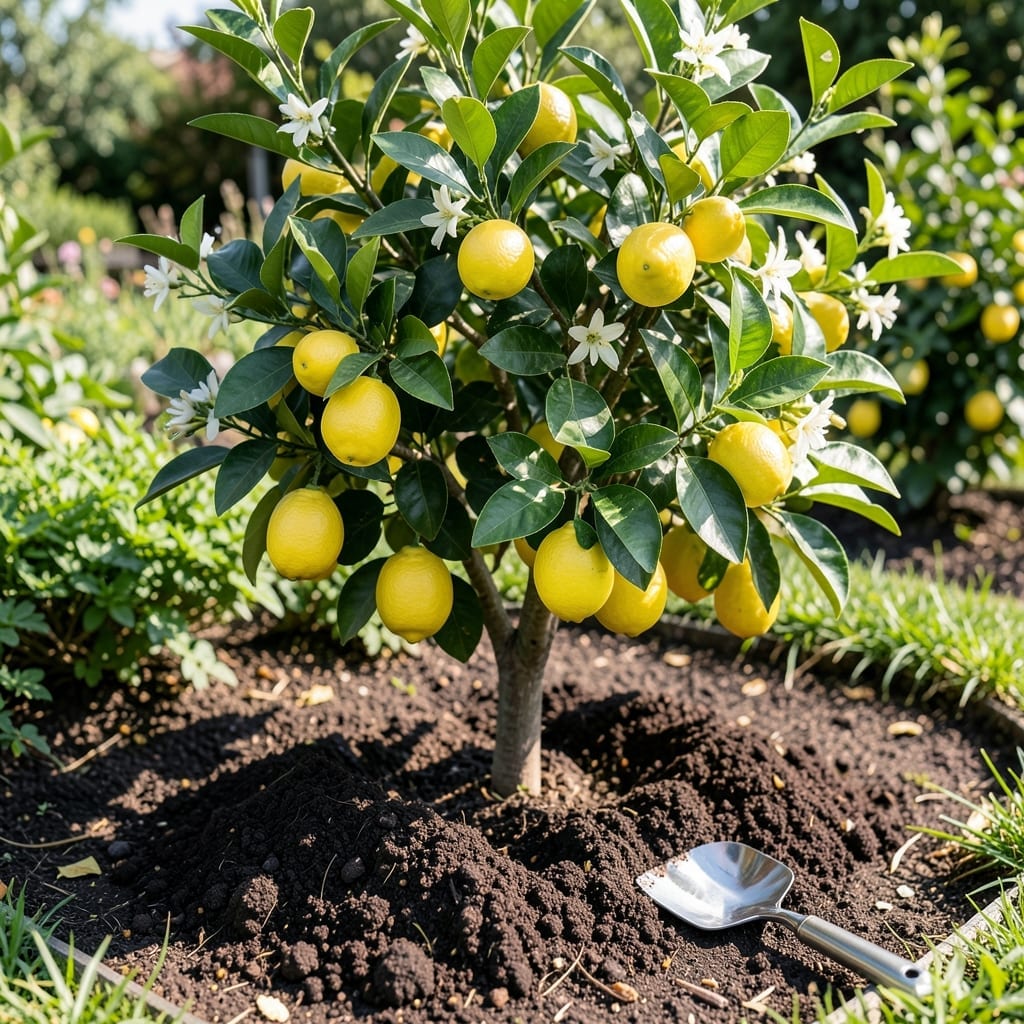
Coffee grounds can benefit lemon trees by adding organic matter and nitrogen, but use them sparingly and mix with compost to avoid soil acidity buildup.
I’ve seen lemon trees thrive when coffee grounds are used as part of a balanced approach. The nitrogen boosts leafy growth, while the organic matter improves soil structure for better root development. Just remember, lemon trees prefer slightly acidic to neutral soil, so I always mix the grounds with other compost to prevent over-acidification. ✨
What’s fascinating is how the microbial activity in the soil responds to this addition, breaking down the grounds into nutrients the tree can easily absorb. 💫
💡 In This Article
Used coffee grounds pack a 2% nitrogen content by volume, which directly fuels foliage growth in lemon trees. This nitrogen exists in an organic form that soil microbes slowly convert into plant-available nitrates through a process called mineralization. The decomposition also releases small amounts of phosphorus and potassium, though nitrogen remains the primary benefit.
The organic matter in coffee grounds improves soil structure by increasing its ability to retain moisture and nutrients. As the grounds break down, they create pore spaces that enhance aeration—critical for lemon tree roots that need both water and oxygen. This is particularly valuable in dense, clay-heavy soils where drainage might otherwise be poor. 🔥
What’s equally important is the microbial boost. The carbon compounds in coffee grounds feed beneficial bacteria and fungi, which then produce enzymes that help break down other organic materials in the soil. This creates a virtuous cycle where the entire soil ecosystem becomes more efficient at nutrient cycling.
Lemon trees respond with more vigorous growth and better fruit production.
However, fresh coffee grounds are slightly acidic (pH around 6.2-6.8), which can gradually lower soil pH if used excessively. Lemon trees tolerate a range from 6.0-7.0, but consistent use of unbalanced coffee grounds may push the soil too acidic. The solution is simple: always mix with other compost materials to buffer the acidity. ✨
I’ve observed that the best results come from using coffee grounds as part of a diverse compost mix rather than as a solo amendment. This approach provides balanced nutrition while maintaining optimal soil conditions for lemon tree health and productivity.
Use them once every 2-3 months during growing season. This frequency allows for nutrient absorption without risking acidity buildup. Always mix with other compost to maintain soil balance.
It’s best to use dried, used grounds to prevent mold. Fresh grounds may clump and create anaerobic conditions harmful to roots. Spread a thin 1/2-inch layer and keep it away from the trunk.
Yellowing may signal overuse. Flush the soil with water and add crushed eggshells to neutralize pH. Reduce coffee ground application and monitor the tree’s recovery.
Yes, but use less—about 1 tablespoon per gallon of soil. Incorporate into the top 1-2 inches rather than surface application for best results.