
Beautiful Plants For Your Interior
Beautiful Plants For Your Interior
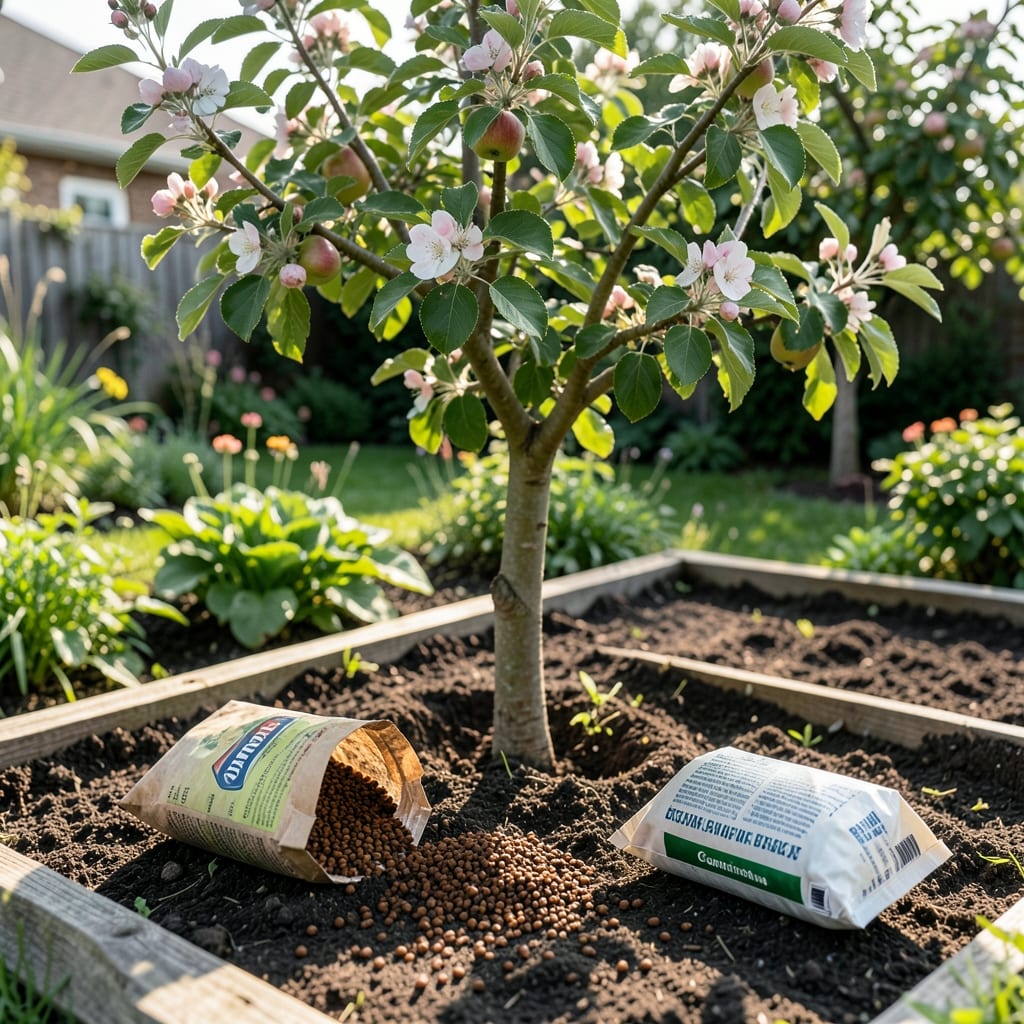
Coffee grounds can benefit apple trees by adding nitrogen and improving soil structure, but excessive use may harm the tree due to acidity and caffeine content.
I’ve seen apple trees thrive when coffee grounds are used sparingly as a slow-release fertilizer, thanks to their rich organic matter. The nitrogen boost is particularly valuable during the growing season. However, too much can lower soil pH beyond what apple trees prefer, stunting root development. Always mix them into compost rather than piling raw grounds at the base. ✨
💡 In This Article
Coffee grounds introduce 2-3% nitrogen by volume, a macronutrient vital for leaf growth and overall tree vigor. As they decompose, they release this nitrogen gradually, acting as a natural slow-release fertilizer that feeds the tree over weeks rather than all at once.
This is particularly beneficial for apple trees, which have moderate nitrogen needs during their active growing season.
The organic matter in coffee grounds also improves soil structure by increasing its ability to retain moisture and nutrients. When mixed into the top 6-8 inches of soil, they create tiny air pockets that enhance root respiration. This aerobic environment encourages beneficial microbes that break down organic material into plant-available nutrients. 🔥
However, coffee grounds are naturally acidic with a pH of about 6.2-6.8. While apple trees tolerate a soil pH range of 6.0-7.0, excessive application can push the pH too low, potentially locking out essential nutrients like phosphorus and calcium.
The caffeine content, though minimal after brewing, can also inhibit seed germination and may affect sensitive root systems in high concentrations.
Microbial activity in the soil actually increases when coffee grounds are added in moderation. Earthworms and beneficial bacteria thrive in this enriched environment, further breaking down the organic material. This process creates humus, a dark, crumbly substance that improves soil tilth and water retention capacity over time. ✨
What many gardeners overlook is the carbon-to-nitrogen ratio of coffee grounds, which is about 20:1. This makes them a “green” material in composting terms, meaning they’re nitrogen-rich. When balanced with “brown” materials like dried leaves (which have a 50:1 ratio), they create the perfect environment for rapid composting that ultimately benefits apple trees. 💫
For mature apple trees, use coffee grounds twice yearly—once in early spring and again in early fall. Young trees should receive applications only once per growing season. Always monitor soil pH to avoid over-acidification.
Avoid applying fresh grounds directly, as they can mat and block water/air from roots. Instead, mix them into the top 1-2 inches of soil or compost first. This prevents rot and ensures even decomposition.
If soil pH drops too low, add 1 cup of lime per 10 square feet of affected area. Mixing coffee grounds with dry leaves (brown material) in compost also helps neutralize their natural acidity.
Properly mixed grounds rarely attract pests. However, thick layers on the surface may draw rodents or fungi. Always incorporate them into soil or compost to prevent this issue.