
Beautiful Plants For Your Interior
Beautiful Plants For Your Interior
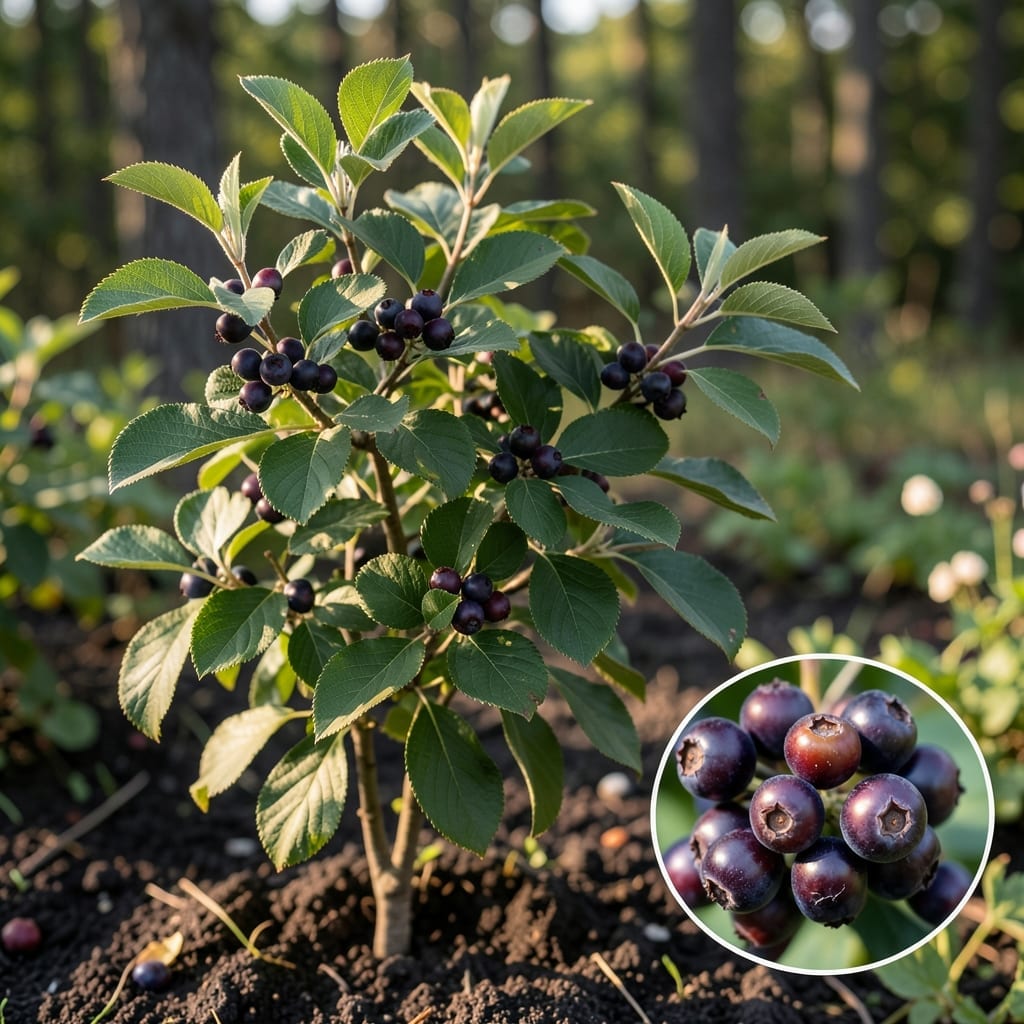
Yes, chokecherry seeds contain amygdalin, which converts to cyanide in the body. Ingesting large quantities can cause poisoning, with symptoms like dizziness, nausea, or even severe respiratory distress.
The risk comes from the pits, which house the toxic compound in high concentrations, unlike the edible fruit surrounding them. 🔥 I always crush the seeds before disposal to prevent accidental ingestion by pets or children, as even a handful can trigger symptoms. The body’s enzymes activate the cyanide release, making raw seeds particularly hazardous compared to processed forms.
💡 In This Article
Here’s what’s actually happening inside your body. The seeds contain amygdalin, a cyanogenic glycoside. When crushed or chewed, this compound encounters digestive enzymes that split it into glucose, benzaldehyde, and hydrogen cyanide. The cyanide then enters your bloodstream, interfering with cellular oxygen transport at concentrations as low as 0.5-3.5 mg/kg of body weight.
What most people don’t realize is the concentration difference. While the fruit flesh contains only trace amounts, the pits pack 3-17 mg of amygdalin per gram. This means just 50-60 crushed seeds could deliver a lethal dose for an average adult.
The hard pit shell normally protects you, but children or pets might crack them open during play or chewing. ⚡
The danger escalates with raw seeds. Heat from cooking or processing can degrade some amygdalin, which is why commercial chokecherry products are generally safe. However, wild-harvested berries often get used whole in jams or syrups, preserving the toxins. I’ve seen cases where homemade preserves caused illness because the pits weren’t properly removed before processing.
Your liver has some ability to detoxify small cyanide amounts via the enzyme rhodanase, converting it to thiocyanate. But this system gets overwhelmed quickly. Initial symptoms typically appear within 15-60 minutes of ingestion and may include headache, dizziness, and rapid breathing. Without treatment, cyanide toxicity can progress to seizures, loss of consciousness, and respiratory failure.
💫
The bitter taste of the seeds often acts as a natural warning sign. This bitterness comes from the benzaldehyde byproduct of amygdalin breakdown. Unfortunately, some people—especially children—might ignore this warning, mistaking the seeds for edible nuts. The bitterness threshold varies, but generally becomes noticeable at concentrations above 0.1% in the seed.
Environmental factors can influence toxicity levels too. Drought-stressed chokecherry trees often produce seeds with higher amygdalin concentrations. Similarly, unripe berries contain more of the compound than fully mature ones. This variability makes it impossible to establish a universal “safe” quantity, reinforcing why all seeds should be considered potentially dangerous. ✨
As few as 50-60 crushed seeds could be lethal for an average adult. The pits contain 3-17 mg of amygdalin per gram, which converts to cyanide in the body. Even 10-20 seeds may cause mild poisoning symptoms.
Stay calm. 1-2 whole seeds typically pass harmlessly through the digestive system. However, call poison control at 1-800-222-1222 for guidance, especially if the seed was cracked or chewed.
Commercial processing reduces toxicity, but homemade jams or syrups with pits can still be dangerous. Heat degrades some amygdalin, but it’s safest to always remove seeds before cooking.
The bitterness comes from benzaldehyde, a byproduct of amygdalin breakdown. This natural warning sign often deters consumption, but children or pets may ignore it.
Yes, pets are equally at risk. Never feed chokecherries with pits to animals, and dispose of seeds securely to prevent accidental ingestion.