
Beautiful Plants For Your Interior
Beautiful Plants For Your Interior
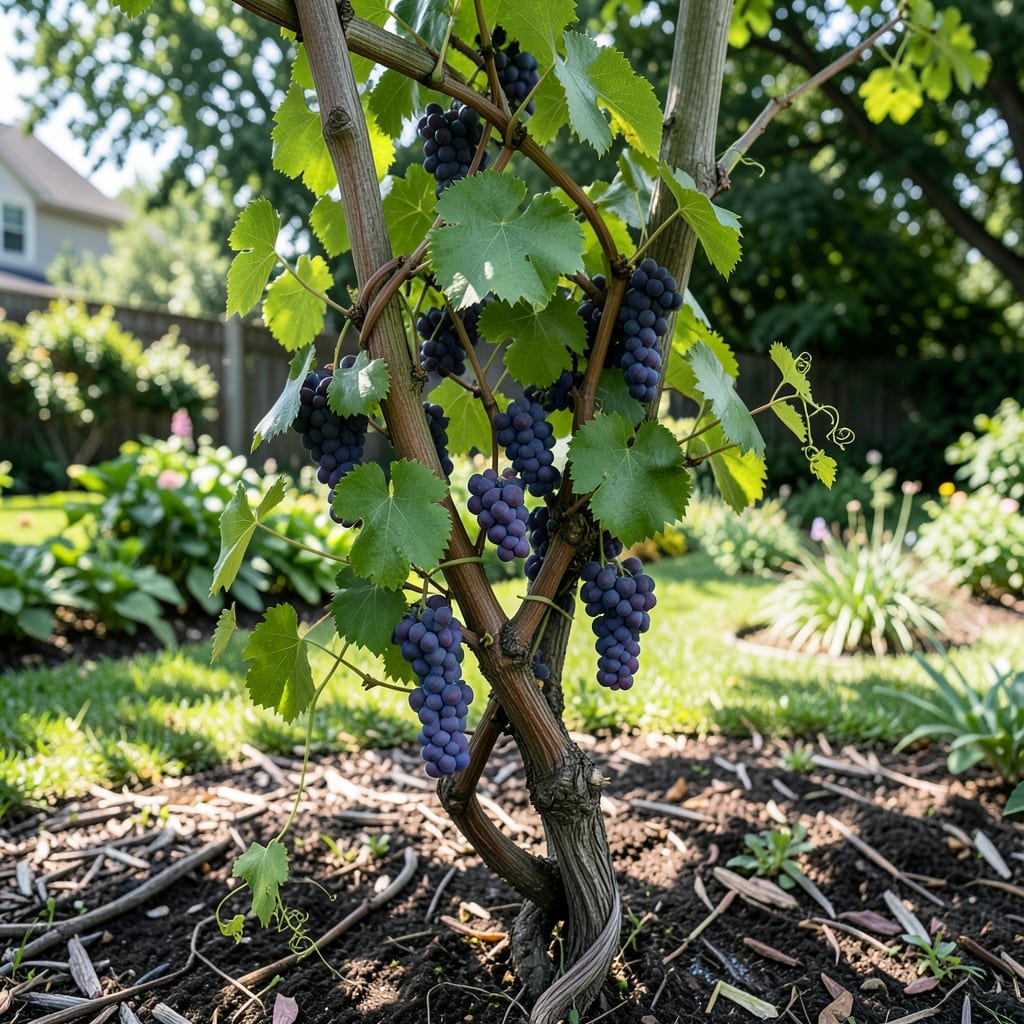
Catawba grapes are not seedless; they contain large, noticeable seeds like most traditional grape varieties. However, their sweet, tangy flavor makes them popular for juices and jellies despite the seeds.
I’ve grown Catawba vines for years, and what stands out is how their bold flavor compensates for the seeds. These heirloom grapes thrive in home gardens due to their natural hardiness, and many gardeners actually prefer them for their classic taste profile. 🔥
The seeds themselves are part of what makes Catawbas so reliable—they help the variety propagate naturally and resist disease better than some modern hybrids.
💡 In This Article
Catawba grapes are an heirloom variety developed in the 19th century along the Catawba River. This era predates modern seedless grape cultivation techniques, which only became widespread in the 20th century through selective breeding. Their seeds are a natural part of their genetic makeup, contributing to their vigorous growth and disease resistance. 🔥
The seeds play a crucial role in propagation. Unlike seedless varieties that must be cut from existing vines, Catawbas can grow from seeds, making them easier to cultivate in diverse climates. This hardiness helped them spread across the eastern and midwestern United States, where they became a staple in home gardens and small vineyards.
What most people don’t realize is that seed presence affects flavor development. The seeds contain tannins that subtly influence the grape’s taste profile, giving Catawbas their characteristic balance of sweetness and acidity. This complexity is why they’re prized for juices and jellies, where the seeds are easily strained out during processing. ✨
Seedless grape varieties were prioritized for table grapes because consumers prefer convenience. However, Catawbas were never bred for fresh eating—their thick skins and large seeds make them better suited for processing. Their true value shines in preserves, where their robust flavor stands up to cooking and sweetening. 🌟
This variety’s endurance speaks to its adaptability. While modern hybrids focus on seedlessness or larger fruit, Catawbas maintain their original traits, including seeds, because these features support their growth in varied conditions. Their ability to thrive with minimal intervention makes them a favorite among heirloom enthusiasts.
Yes, they contain noticeably large seeds, similar to other heirloom varieties. These seeds are easy to spot and remove when processing the grapes for recipes.
As a 19th-century variety, they predate modern seedless cultivation techniques. Their seeds contribute to hardiness and propagation, making them ideal for diverse climates.
Unlike seedless types, Catawbas can be grown from seeds, which helps them adapt to different environments. This makes them a favorite for home gardeners.
The seeds are safe to eat but are typically removed due to their size and texture. They’re often strained out during jelly or juice making.