
Beautiful Plants For Your Interior
Beautiful Plants For Your Interior
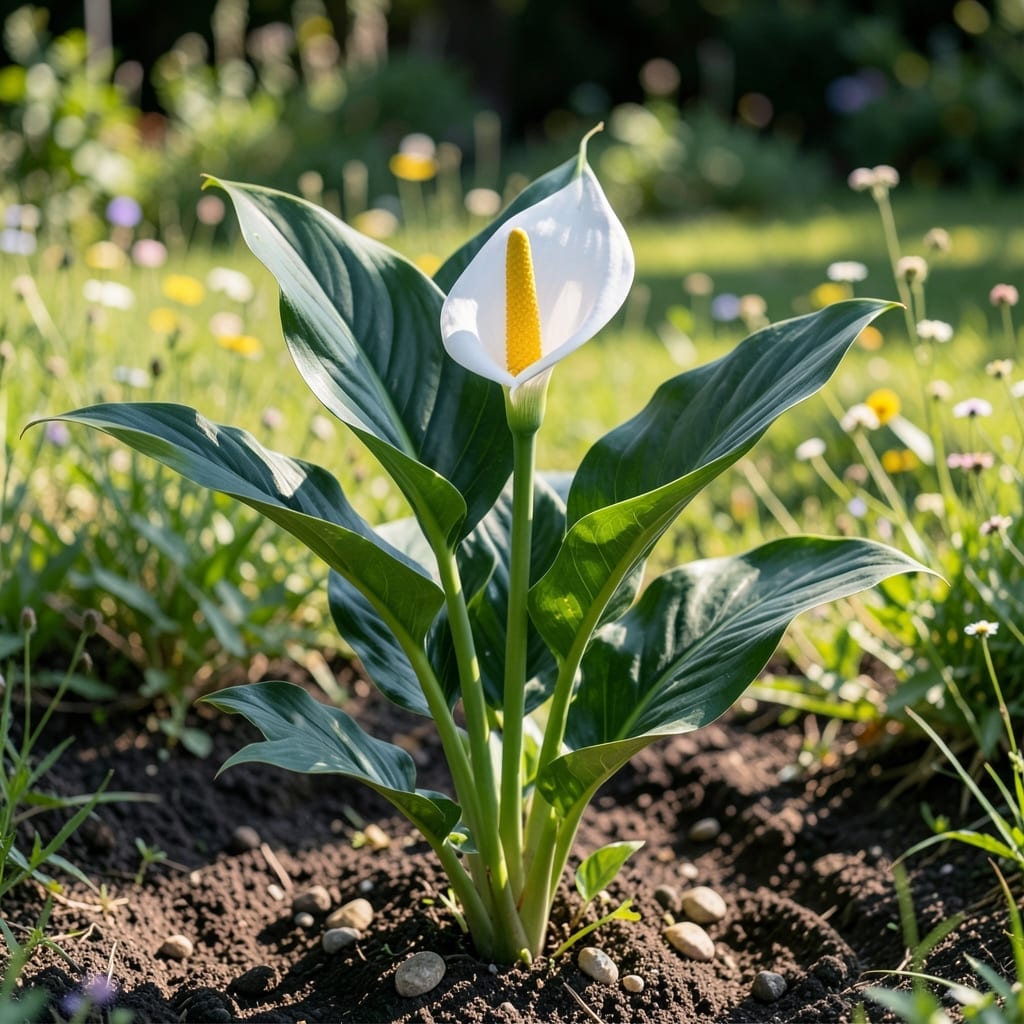
The plant contains needle-shaped calcium oxalate monohydrate crystals, measuring about 1-2 micrometers in length. These microscopic structures pierce oral tissues upon contact, releasing oxalic acid that triggers immediate irritation and inflammation. The crystals are particularly dense in the rhizomes (underground stems), where concentrations can reach 2-5% of the plant’s dry weight.
When chewed, the crystals rupture cell walls, exposing tissues to both the sharp edges and the dissolved oxalates. This dual action creates a burning sensation that can spread from the mouth to the esophagus within 15-30 minutes. The body’s immune response then amplifies the reaction, causing visible swelling and redness as histamine is released.
What makes these crystals especially dangerous is their insolubility in water. Unlike soluble toxins that might be diluted, these remain physically present in the tissues, continuing to cause damage even after initial exposure. 🔥 The rhizomes are most toxic, but all parts contain enough crystals to cause significant discomfort.
In severe cases, the oxalates can form complexes with calcium in the body, potentially leading to kidney stones in susceptible individuals. The plant’s sap also contains enzymes that enhance the crystals’ penetration, making even small wounds from handling the plant potentially irritating to sensitive skin.
This defense mechanism evolved to deter herbivores, as the sharp pain discourages further consumption. Studies show that mammals instinctively avoid plants with high oxalate content after just one exposure, demonstrating the effectiveness of this natural protection system. ⚡
They contain calcium oxalate crystals that pierce tissues, causing immediate burning and swelling. Even brief skin contact can irritate, while ingestion leads to mouth and throat pain within 15-30 minutes.
The rhizomes (underground stems) hold the highest concentration, but leaves, stems, and flowers all contain enough crystals to cause significant discomfort. No part is considered safe.
Wear gloves when pruning or repotting, and wash hands thoroughly after contact. Keep the sap away from eyes and mouth, as even small amounts can cause irritation.
Rinse their mouth with cool water immediately and call Poison Control or seek medical help. Do not wait for symptoms to appear, as reactions can escalate quickly.