
Beautiful Plants For Your Interior
Beautiful Plants For Your Interior
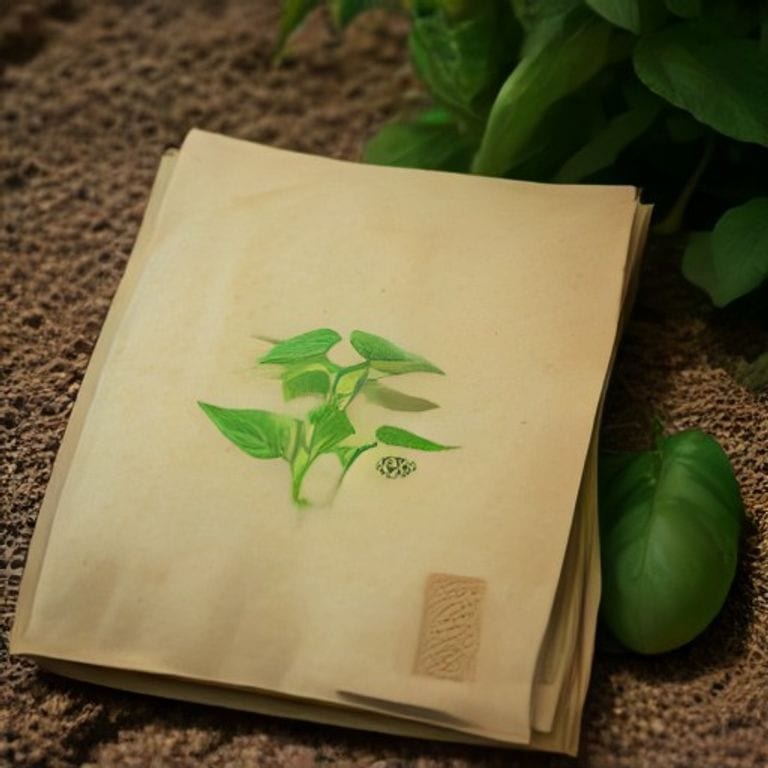
Burpee offers both organic and conventional seeds. Their organic seeds are USDA certified, meeting strict non-GMO and pesticide-free standards, while their regular seeds are not organic but still high-quality.
I’ve noticed Burpee makes it easy to spot their organic options—just look for the USDA Organic label on the packaging or product page. This certification means they’ve passed rigorous inspections to ensure no synthetic chemicals were used in production. 🌟
For gardeners prioritizing sustainability, these seeds offer peace of mind, but their conventional line still delivers reliability at a lower cost.
💡 In This Article
USDA organic certification for seeds requires strict adherence to federal guidelines. Burpee’s organic seeds must be grown without synthetic pesticides, herbicides, or GMOs, with soil managed through natural methods for at least 3 years prior to harvest. This ensures the entire growth cycle meets organic integrity standards. 🌟
Independent certifiers conduct annual inspections of Burpee’s organic seed sources. They verify everything from seed stock origins to storage conditions, ensuring no cross-contamination occurs. Unlike conventional seeds, organic varieties undergo additional testing to confirm they contain at least 95% organic ingredients by weight.
The certification process examines water quality, pest management practices, and even the types of fertilizers used. Burpee’s organic seeds often come from dedicated organic farms that maintain buffer zones to prevent drift from conventional crops. This separation is crucial for preserving the organic status.
What sets certified organic seeds apart is the documentation trail. Burpee must maintain detailed records proving every step of the production chain meets USDA standards. This transparency allows gardeners to trace their seeds back to the original organic farm. ✨
Conventional Burpee seeds, while not organic, still undergo quality testing. They’re typically treated with fungicides to prevent seed-borne diseases, which organic seeds cannot use. This fundamental difference affects how and when you can plant them.
The certification also prohibits the use of sewage sludge or irradiation. Burpee’s organic seeds rely on natural disease resistance bred into the varieties rather than chemical treatments. This often results in seeds that may have slightly lower germination rates but offer more sustainable growing practices.
Look for the USDA Organic seal on the packet or product page. Burpee also marks organic varieties with an “Organic” tag in their catalog and online listings. The item number often includes “OG” for organic seeds.
Yes, organic seeds typically run 10-25% higher than conventional. This reflects the additional certification costs and sustainable growing practices required for organic production.
No, heirloom and organic are different classifications. Only seeds with the USDA Organic label meet certification standards, regardless of whether they’re heirloom or hybrid varieties.
Yes, but saved seeds won’t carry the organic certification. The certification applies only to the original seeds purchased, not subsequent generations grown from them.