
Beautiful Plants For Your Interior
Beautiful Plants For Your Interior
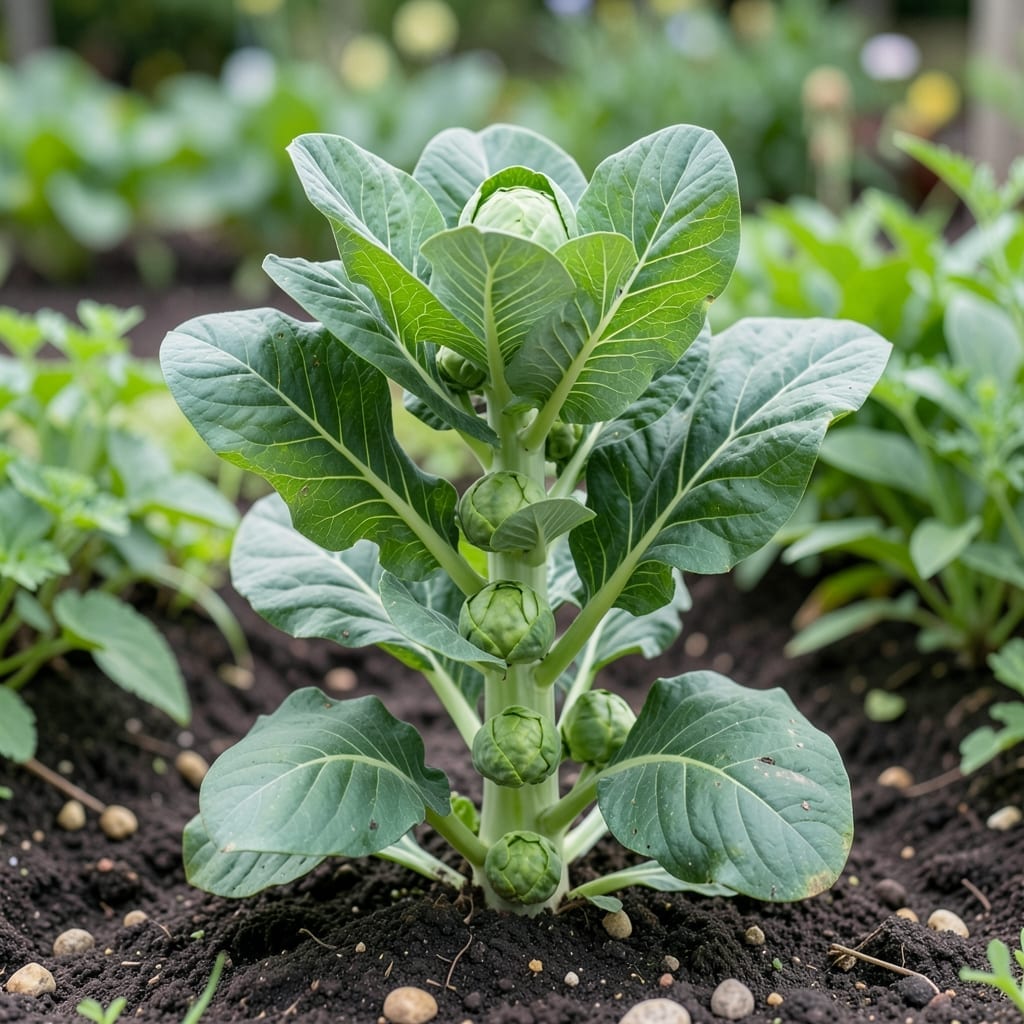
Yes, Brussels sprout leaves are completely edible and non-toxic. They have a mild, slightly bitter flavor similar to cabbage or kale and can be cooked like other leafy greens.
I love how versatile these leaves are—they bring a unique depth to dishes that’s often overlooked. Their texture stays tender when sautéed, making them perfect for quick stir-fries or warm salads. Plus, they pack the same nutritional punch as the sprouts themselves, with high fiber and antioxidant benefits that make them a smart addition to any meal. ✨
💡 In This Article
These leaves pack a surprising nutritional punch. They contain vitamin K (about 90mcg per cup), essential for blood clotting and bone health. The vitamin C content (roughly 75mg per cup) boosts immunity while acting as a powerful antioxidant. This mirrors the nutrient density of the sprouts themselves, but with a more concentrated flavor profile. 🔥
Fiber is another standout, with approximately 4g per cup of raw leaves. This aids digestion and promotes gut health. The leaves also contain kaempferol, a compound with anti-inflammatory properties that may help reduce chronic disease risk.
Compared to mature sprouts, the leaves often have slightly higher antioxidant levels due to their exposure to more light during growth.
Mineral-wise, you’ll find good amounts of potassium (300mg per cup), which supports heart function, and folate (60mcg per cup), crucial for cell repair. The leaves retain most of these nutrients even after cooking, though steaming preserves more than boiling. Their thin structure means nutrients are more bioavailable than in thicker sprouts. ✨
What makes them unique is their chlorophyll content, which gives them that deep green hue. This pigment has detoxifying properties, helping your body eliminate harmful substances. The leaves also contain sulforaphane, a compound studied for its potential cancer-fighting abilities. This is the same beneficial compound found in broccoli and other cruciferous vegetables.
The calorie count remains low at about 30 calories per cup, making them a nutrient-dense addition to any meal. Their slightly bitter taste comes from glucosinolates, the same compounds that give mustard and horseradish their kick. These compounds also contribute to the leaves’ cancer-preventive properties. 💫
They have a similar but milder flavor, with a slightly more bitter edge. The texture is more delicate than the dense sprouts, making them perfect for quick cooking methods like sautéing. Think of them as a cross between kale and cabbage.
Yes, but they’re best when finely chopped and massaged with dressing first. This softens their texture and reduces bitterness. They add a nice crunch to salads when used fresh.
Keep them in an airtight container in the fridge for up to 3 days. For longer storage, blanch for 30 seconds in boiling water, then freeze. This preserves their color and texture.
Overcooking intensifies their natural bitterness. Stick to 3-4 minutes of sautéing or 2-3 minutes of steaming for the best flavor. Adding a splash of acid, like lemon juice, can balance any residual bitterness.