
Beautiful Plants For Your Interior
Beautiful Plants For Your Interior
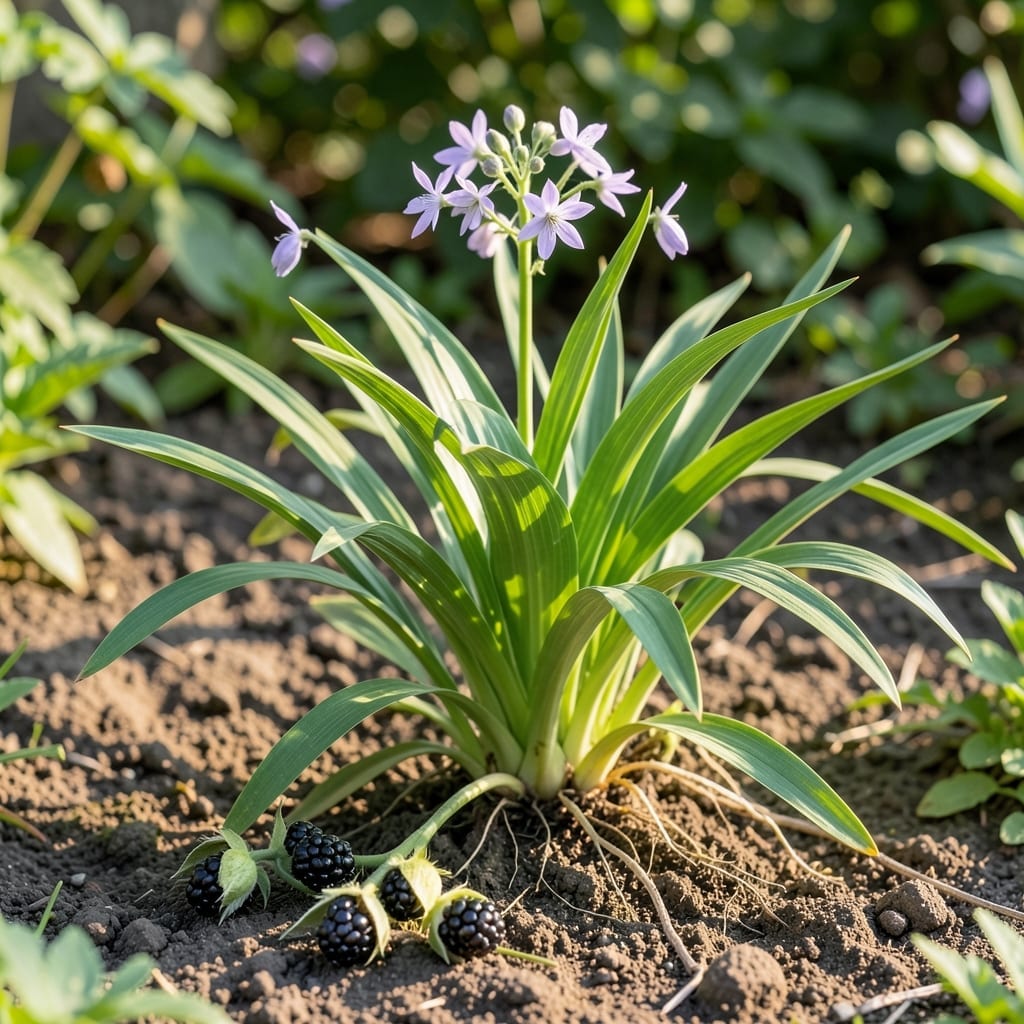
Blackberry lily seeds contain toxic compounds that can cause gastrointestinal distress if ingested. All parts of the plant are considered poisonous, especially in large quantities.
I always recommend keeping this plant out of reach because its saponins and alkaloids trigger nausea, vomiting, and diarrhea. Even small amounts can affect pets and children more severely. In my experience, wearing gloves when handling the bulbs or seeds adds an important layer of protection. ✨
What surprises many gardeners is how quickly symptoms appear after accidental ingestion. 💫
💡 In This Article
The primary culprits behind blackberry lily toxicity are steroidal saponins and alkaloids, concentrated in seeds, bulbs, and roots. These compounds disrupt cell membranes in the digestive tract, causing irritation and inflammation. The saponins create a soapy lather when mixed with water, which can further damage mucosal linings.
In humans, ingesting even 1-2 seeds may trigger nausea within 30-60 minutes, while larger amounts (5+ seeds) can induce vomiting, diarrhea, and abdominal cramps. Pets show symptoms faster due to their smaller size—a 20-lb dog might react to just 1 seed. The toxins resist cooking and drying, remaining active regardless of preparation. 🔥
What makes these compounds particularly dangerous is their ability to accumulate. Repeated small exposures can lead to chronic gastrointestinal issues over time. The seeds contain the highest concentration, but the corms (underground stems) are nearly as potent, packing 0.5-1% saponins by dry weight.
Veterinary cases show that cats are especially vulnerable, often requiring IV fluids and anti-nausea medications after ingestion. The alkaloids in blackberry lily can also cause neurological symptoms in severe cases, including lethargy and tremors. Children under 5 years old face the highest risk of accidental poisoning due to their natural curiosity and lower body weight.
✨
Interestingly, these same compounds serve as the plant’s natural defense mechanism. In the wild, the bitter taste deters herbivores from eating the seeds, ensuring propagation. Gardeners often notice deer and rabbits avoid blackberry lily entirely, a clear sign of its chemical protections at work. 💫
Nausea typically starts within 30-60 minutes of ingestion. In pets, symptoms often surface even faster due to their smaller size and faster metabolism.
While less concentrated than seeds, all parts contain toxins. Always wear nitrile gloves when handling any part of the plant to prevent skin absorption.
Rinse their mouth immediately and call your vet or Pet Poison Helpline. Never induce vomiting unless directed by a professional.
No. The saponins and alkaloids remain active regardless of preparation. These toxins resist heat and drying processes.