
Beautiful Plants For Your Interior
Beautiful Plants For Your Interior
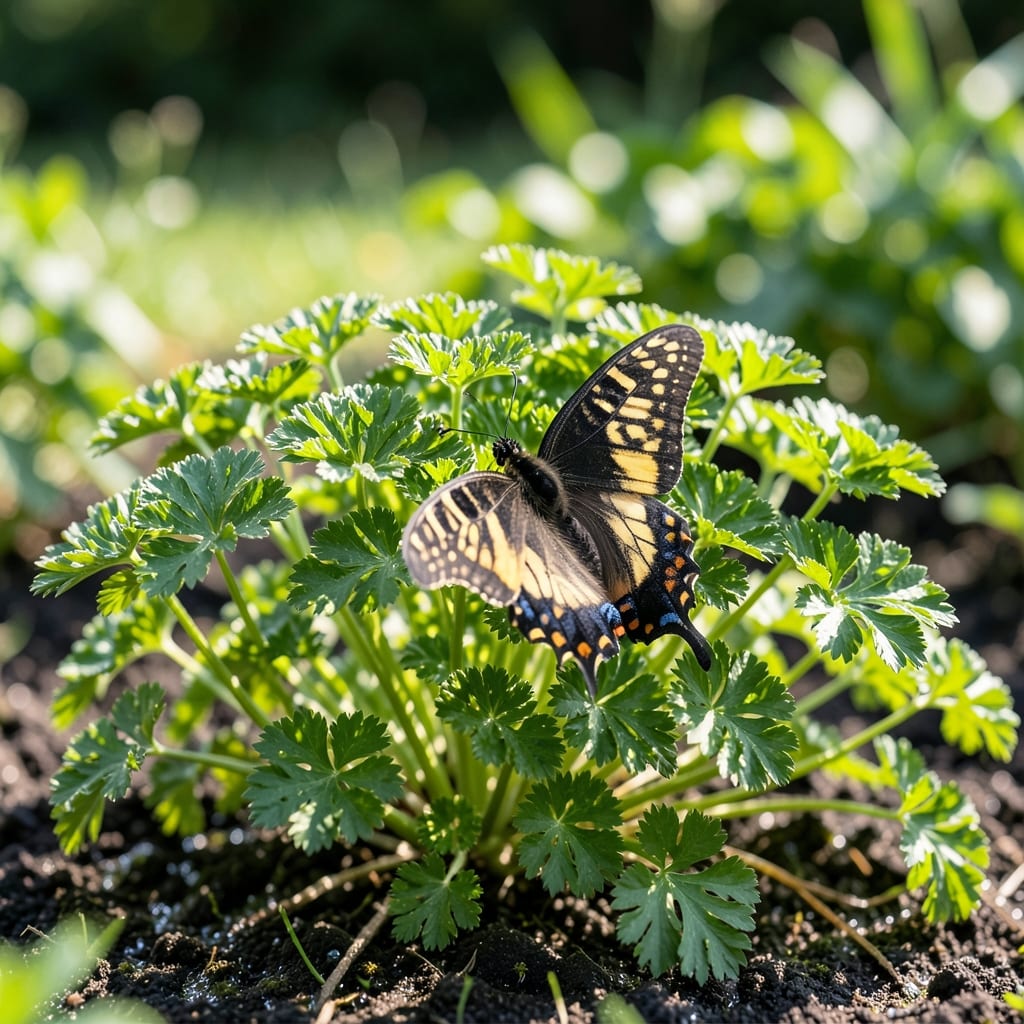
Black swallowtail butterflies are not currently endangered but face habitat loss and pesticide threats. Their populations remain stable with conservation efforts in many regions.
While their numbers aren’t critically low, I’ve noticed these butterflies thrive best in ecosystems with abundant host plants like parsley and dill. 💫 Conservation groups track their stability through seasonal counts and habitat assessments. What’s encouraging is how backyard gardeners can make a real difference by avoiding chemical sprays and planting native species.
💡 In This Article
The International Union for Conservation of Nature (IUCN) currently classifies black swallowtails as “Least Concern” on their Red List. This means their populations are widespread and abundant enough to avoid immediate extinction risk.
In North America alone, they’re found in every state east of the Rockies, with particularly strong numbers in the southeastern U.S. where their preferred host plants are plentiful. 🔥
Regional monitoring programs track these butterflies through citizen science initiatives like the North American Butterfly Association’s annual counts. These show stable population trends in most areas, though some localized declines occur where urban development has removed over 90% of native plant communities. The butterflies’ adaptability to garden environments helps offset some habitat loss.
What’s fascinating is their population resilience. A single female can lay up to 200 eggs in her 2-4 week lifespan, with caterpillars hatching in just 3-5 days under ideal conditions. This rapid reproduction rate allows populations to rebound quickly when conditions improve.
Their ability to utilize both wild and cultivated plants as host species gives them an advantage over more specialized butterflies. ✨
However, scientists note that while overall numbers remain stable, genetic diversity is decreasing in some isolated populations. This is particularly concerning in agricultural areas where monoculture farming reduces the variety of available host plants. Conservation biologists recommend maintaining corridors of native vegetation to prevent inbreeding and ensure long-term species health.
The U.S. Fish and Wildlife Service doesn’t currently list them as threatened, but includes black swallowtails in their “Species of Greatest Conservation Need” for several Midwestern states. This designation helps direct funding toward habitat restoration projects that benefit these and other pollinator species. 💫
The IUCN lists them as “Least Concern” due to widespread populations. They remain abundant in many regions, particularly east of the Rockies.
Urban development removes over 90% of native plants in some locations. Monoculture farming also reduces host plant diversity, threatening genetic health.
Plant host species like parsley or dill, avoid pesticides, and provide shallow water sources. Even small gardens make a difference.
No federal protection exists, but some Midwestern states list them as “Species of Greatest Conservation Need”. This directs habitat restoration funding.
A female lays up to 200 eggs in her 2-4 week lifespan. Caterpillars hatch in 3-5 days under ideal conditions.