
Beautiful Plants For Your Interior
Beautiful Plants For Your Interior
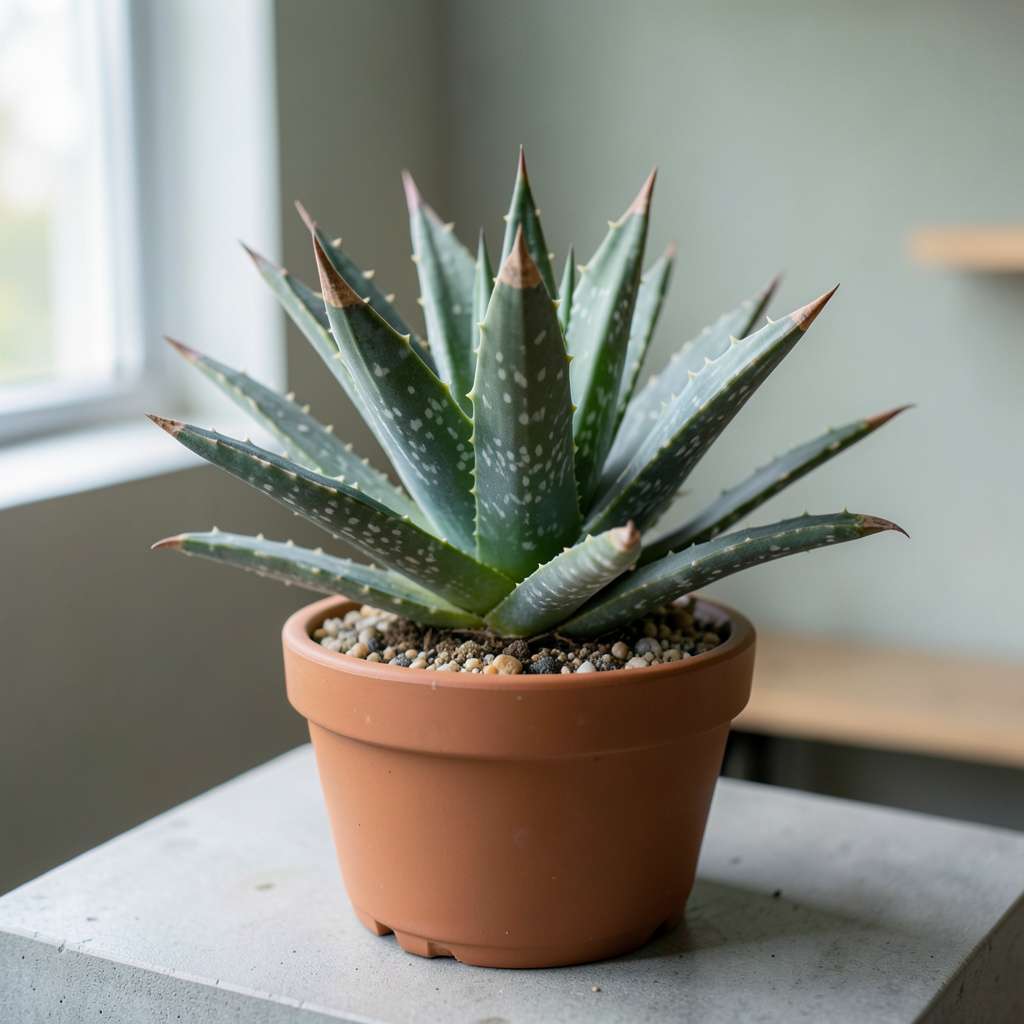
Yes, aloe plants are toxic to cats due to saponins and anthraquinones, which cause vomiting, diarrhea, lethargy, and tremors if ingested. Even small amounts can irritate their digestive system. Keep aloe away from curious pets.
This toxicity isn’t just about the gel—it’s the yellow latex beneath the plant’s skin that packs the most dangerous punch. 🐱 I’ve seen cases where cats who chewed on aloe leaves developed symptoms within hours, from mild drooling to more serious neurological issues. The compounds interfere with their electrolyte balance, which is why even a tiny nibble can lead to dehydration or worse. Vets often recommend immediate care if you suspect ingestion, especially for kittens or cats with pre-existing conditions.
💡 In This Article
The danger in aloe plants comes from two key compounds: saponins and anthraquinones. Saponins are soap-like substances that create foam when agitated—this is why aloe latex (the yellow liquid under the skin) can cause excessive drooling and vomiting in cats. These compounds disrupt cell membranes in the digestive tract, leading to irritation and inflammation.
Anthraquinones, meanwhile, act as powerful laxatives that can trigger severe diarrhea and electrolyte imbalances. 🔥
The yellow latex contains the highest concentration of these toxins—about 12-15 times more than the clear gel. When cats chew the leaves, they release this latex, which immediately begins irritating their mouth and throat. The gel itself isn’t harmless either; it contains lower levels of saponins that can still cause mild to moderate gastrointestinal upset.
A cat weighing 10 pounds might show symptoms after ingesting just 1-2 inches of aloe leaf. ✨
What happens inside your cat’s body? The saponins bind to cholesterol in cell membranes, creating tiny pores that disrupt normal cell function. This leads to nausea, vomiting, and abdominal pain. The anthraquinones stimulate the intestinal muscles, causing rapid contractions that result in diarrhea.
In severe cases, these compounds can affect the nervous system, leading to tremors or even temporary paralysis of the hind legs. 💫
Symptoms typically appear within 2-12 hours of ingestion and can last 24-48 hours depending on the amount consumed. Mild cases might involve just drooling or lethargy, while severe poisoning can lead to bloody diarrhea, dehydration, and kidney damage.
The ASPCA’s Animal Poison Control Center reports that aloe toxicity cases spike during summer months when cats have more access to outdoor plants. 🌟
Here’s what most cat owners don’t realize: even dried aloe leaves retain their toxicity for months. If you use aloe in homemade remedies or skincare products, storing these where cats can access them poses the same risks. The compounds remain stable at room temperature and don’t break down quickly in a cat’s digestive system.
This is why immediate veterinary care is crucial—activated charcoal treatments can help absorb the toxins before they cause serious damage. ⚡
Consider these toxicity levels by plant part:
Even small amounts can cause problems. A 10-pound cat may show symptoms after ingesting just 1-2 inches of leaf. The yellow latex is most toxic, containing 12-15 times more toxins than the clear gel. Always err on the side of caution.
Remove any plant material from their mouth immediately. Offer water to dilute the toxins, then call your vet or ASPCA Poison Control (888-426-4435). Don’t induce vomiting unless instructed—some cases require activated charcoal treatment instead.
No part is completely safe, but the roots have minimal toxicity. The yellow latex is most dangerous, followed by the leaf skin. Even the clear gel contains irritating saponins. It’s best to keep all aloe away from cats entirely.
Severe cases with untreated dehydration or electrolyte imbalance can lead to kidney issues. Most cats recover fully with prompt treatment. However, repeated exposures may cause chronic digestive sensitivity. Always seek vet care for suspected poisoning.
Spider plants are excellent—they’re non-toxic, easy to grow, and satisfy chewing instincts. For similar benefits, try haworthia (safe succulent) or cat grass for digestive health. These provide greenery without the risks.
