
Beautiful Plants For Your Interior
Beautiful Plants For Your Interior
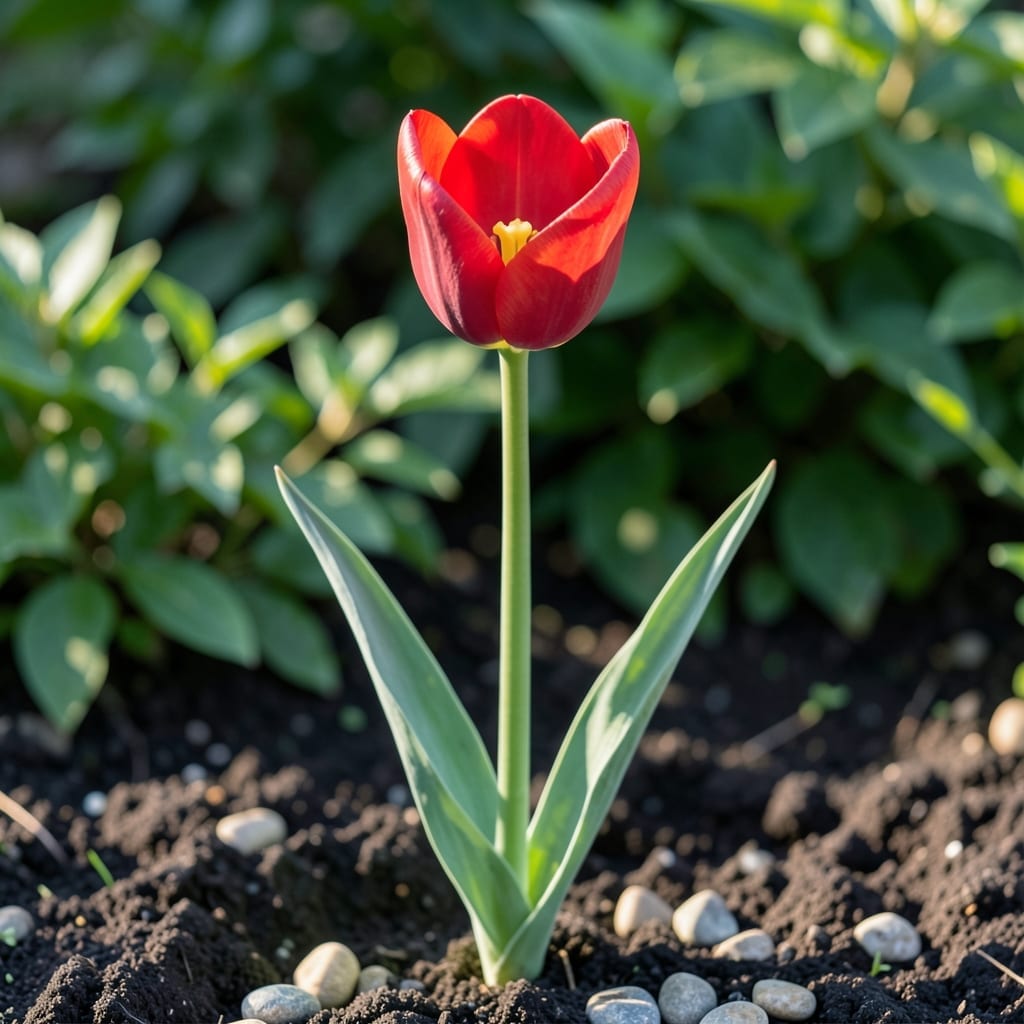
Not all tulips are perennials. Many are treated as annuals, especially hybrid varieties, while some species tulips naturally return year after year under the right conditions.
What often surprises gardeners is that classic Dutch hybrids rarely come back, while species tulips like Tulipa clusiana or greigii have a much better chance. I’ve found that proper planting depth and well-drained soil make a huge difference in their ability to survive winters. The key lies in the bulb’s genetics and your local climate conditions. ✨
In colder zones, even perennial types may need winter mulch for consistent returns each spring. 💫
💡 In This Article
The difference lies in bulb genetics and origin. Hybrid tulips, like Darwin or Parrot types, were bred for spectacular blooms, not survival. Their bulbs often exhaust energy in one season, failing to store enough for next year. In contrast, species tulips from Central Asia evolved to thrive in harsh conditions, naturally perennialize. ✨
Climate plays a critical role. Most hybrids need USDA zones 4-7 to return reliably. In warmer zones, they lack the winter chill (6-8 weeks at 40-45°F) required to trigger spring growth. Species tulips like Tulipa turkestanica tolerate zones 3-8, making them more adaptable to temperature variations. ⚡
Soil conditions impact longevity too. Poorly drained soil causes bulbs to rot, while sandy, well-drained beds allow them to store energy. I’ve seen even hardy species fail in heavy clay unless amended with compost. The bulb’s ability to divide and create offsets also determines its perennial nature.
Another factor is post-bloom care. Cutting back foliage too soon prevents the bulb from photosynthesizing and storing nutrients. Leaving leaves until they yellow (about 6 weeks) gives the bulb its best chance to return. This is why many gardeners treat hybrids as annuals—they simply don’t invest in this care. 💫
Even among perennials, performance varies. Fosteriana tulips often return for 2-3 years, while Kaufmanniana types may persist for 5+ years with ideal conditions. The most reliable perennializers tend to be the wild species that haven’t been heavily hybridized.
Species tulips like Tulipa fosteriana, greigii, and clusiana have the best track record. These wild types naturally perennialize better than hybrids. Look for names like Emperor Foster or Red Riding Hood for reliable returns.
Hybrids were bred for showy blooms, not survival. Their bulbs exhaust energy in one season and often lack the genetic hardiness to store enough nutrients for next year. Climate and soil conditions also play a major role in their ability to return.
Plant bulbs 6-8 inches deep in fall. This depth protects them from temperature swings and provides stability. Shallower planting may cause bulbs to heave in winter or dry out in summer.
Yes, by planting in full sun, ensuring well-drained soil, and leaving foliage until it yellows. Feed with bulb fertilizer in early spring and avoid overhead watering. Even then, most hybrids last only 2-3 years.