
Beautiful Plants For Your Interior
Beautiful Plants For Your Interior
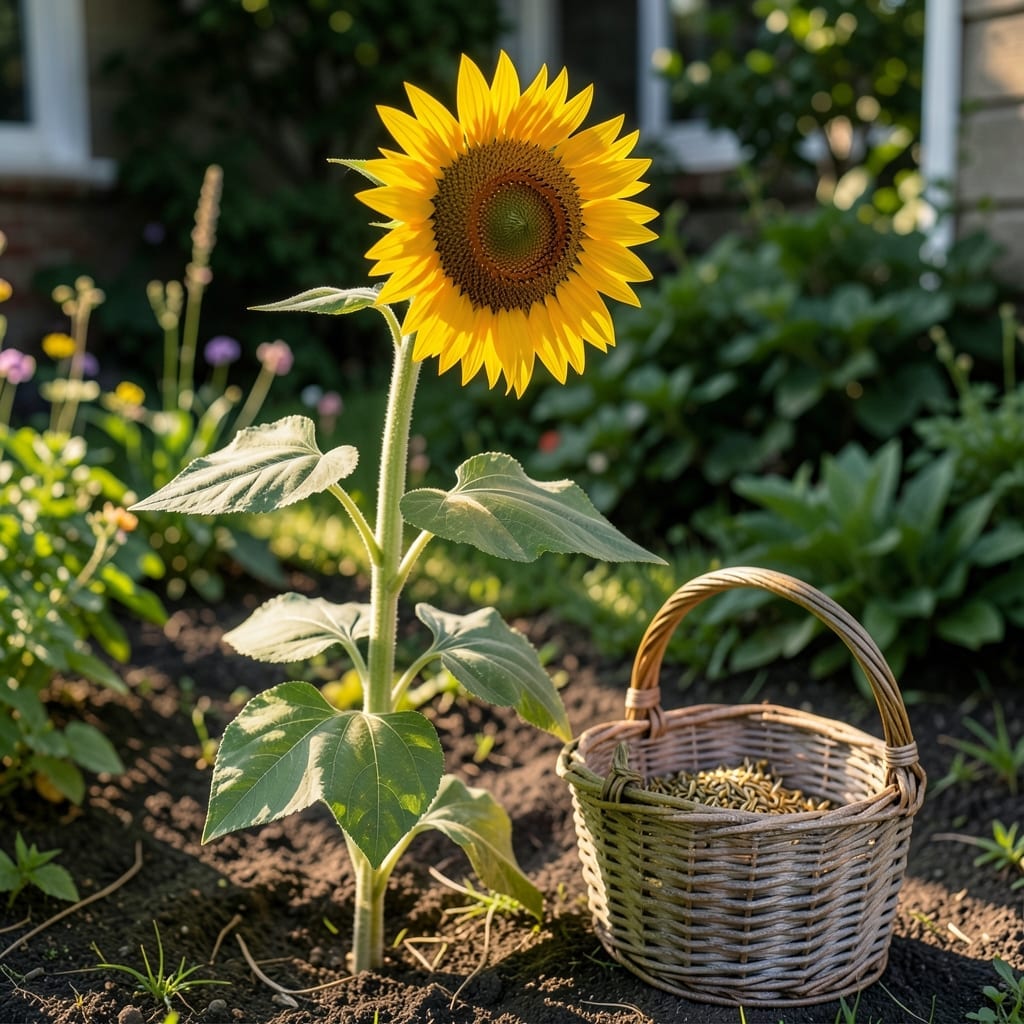
Not all sunflowers are edible. While most varieties produce edible seeds, some ornamental types are bred for appearance and may not be safe for consumption.
I’ve learned that gardeners often assume all sunflowers yield safe-to-eat seeds, but ornamental hybrids are cultivated for vibrant petals or unique shapes instead. 💫 These showy blooms may contain compounds that aren’t ideal for eating, so it’s smart to stick with varieties explicitly labeled as edible. Common safe options include Mammoth or Black Oil types, which are grown specifically for seed production.
💡 In This Article
Commercial growers breed edible sunflowers specifically for seed production, focusing on traits like large, plump kernels with high oil content. These varieties, such as Mammoth or Russian Giant, undergo rigorous testing to ensure safety and optimal flavor. Their seeds typically contain 20-30% oil by weight, making them ideal for snacking or pressing into sunflower oil.
🔥
Ornamental sunflowers, on the other hand, are cultivated for their striking appearance. Breeders prioritize vibrant colors, unique petal shapes, or dwarf sizes for garden aesthetics. These varieties, like Teddy Bear or Moulin Rouge, may produce smaller, less flavorful seeds that aren’t intended for consumption.
Their seeds can be tough, bitter, or even contain trace compounds that aren’t food-grade.
The breeding process diverges significantly between the two types. Edible sunflowers are selected for uniform seed development and disease resistance that won’t affect human consumption. Ornamentals might be treated with non-food-safe pesticides or fertilizers that leave residues unsuitable for eating. This is why garden centers often label ornamental sunflowers as “for decoration only.” ✨
Nutritional content also varies dramatically. Edible sunflower seeds pack 150-200 calories per ounce, rich in vitamin E, magnesium, and healthy fats. Ornamental seeds, when present, often lack this nutritional density.
The shell-to-kernel ratio differs too—edible varieties have thinner shells (about 30-40% of the seed weight) compared to ornamentals’ thicker, harder shells that can constitute 60-70% of the seed.
Safety considerations extend beyond just the seeds. Some ornamental sunflowers have been hybridized with wild sunflower species that may contain natural toxins in their stems and leaves. While the risk is generally low, it’s another reason to keep ornamental varieties out of your kitchen and stick to certified edible types for any culinary use. 💫
Check the variety name first—edible types are labeled as oilseed or confectionery. Look for large seed heads with plump, uniform seeds. Avoid any marked as dwarf or decorative.
Ornamental varieties often produce tough, small seeds with bitter flavors. Their shells may make up 60-70% of the seed, leading to an unpleasant taste. Edible seeds have thinner shells and sweeter kernels.
No, only use seeds from confirmed edible varieties like Mammoth or Russian Giant. Ornamental seeds may contain residues from non-food-safe treatments or natural toxins.
Only petals from certified edible varieties are safe. Even then, they’re often tough and not palatable. Stick to seeds for culinary use to avoid any potential issues.