
Beautiful Plants For Your Interior
Beautiful Plants For Your Interior
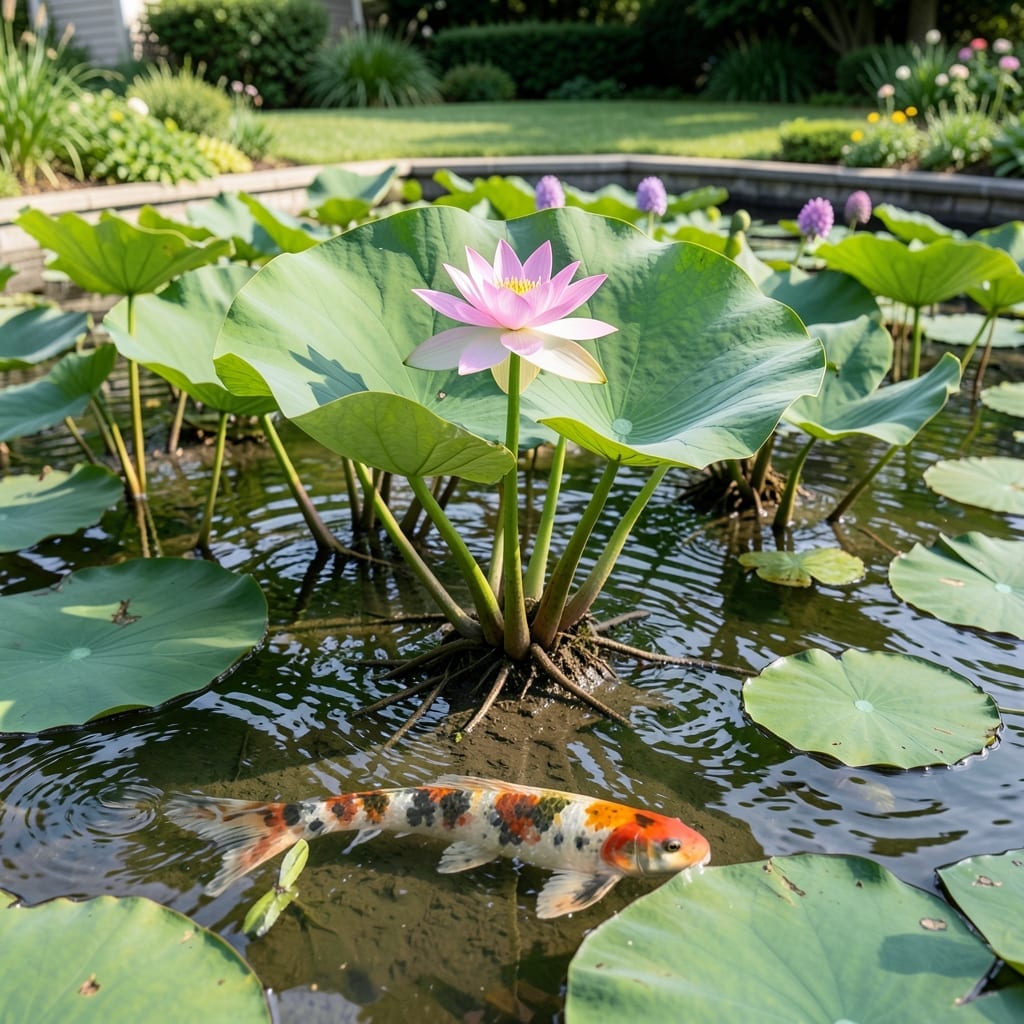
Find local aquatic gardens at botanical centers, public parks with water features, or specialty nurseries. Many offer native water plants, lily ponds, and design inspiration for your own space.
I love exploring these spots because they often showcase rare water lilies and floating plants you won’t find elsewhere. Many also host workshops on creating your own water garden. The combination of sound, movement, and greenery creates a uniquely calming environment. ✨
These locations typically feature seasonal displays that change throughout the year, offering fresh inspiration with each visit. 💫
💡 In This Article
Aquatic gardens create self-sustaining ecosystems through natural filtration. Water plants like water hyacinths and cattails absorb excess nutrients (nitrogen, phosphorus) that would otherwise fuel algae blooms. Their root systems also provide critical habitat for beneficial bacteria that break down organic waste, maintaining crystal-clear water without chemicals. 💫
These gardens use 20-30% less water than traditional landscapes once established. The plants transpire at a slower rate than terrestrial varieties, and the water itself acts as a natural insulator. Compared to standard gardens that may lose 50% of water to evaporation, aquatic systems retain moisture through their closed-loop design.
Visually, they offer year-round interest impossible with conventional plantings. Spring brings emerging lotus pads, summer features floating water lilies in full bloom, while winter reveals architectural seed heads and frost patterns on still water. The reflections of surrounding plants double the visual impact of any space.
The ecological benefits extend beyond the garden itself. A well-designed 100-square-foot aquatic garden can support 50+ species of insects, amphibians, and birds. Dragonflies, in particular, thrive in these environments, with a single garden potentially hosting 12-15 different species that control mosquito populations naturally. ✨
From a design perspective, aquatic gardens create focal points that draw the eye. The sound of moving water masks urban noise, while the rhythmic growth patterns of aquatic plants provide a meditative quality. Many public installations incorporate viewing platforms at 12-18 inches above water level for optimal enjoyment of the ecosystem.
Focus on seasonal highlights like blooming lotus flowers in summer or sweet flag’s golden foliage in fall. Many gardens offer guided tours to spot details you might miss.
Most feature paved paths and viewing platforms at 12-18 inches above water. Some even provide fish food for interactive experiences that kids love.
Yes, and early morning offers the best light. Use a polarizing filter to reduce water glare. Get low for reflection shots—some gardens allow tripods.
Ask at local garden centers or check with your city’s parks department. Many hidden gems aren’t widely advertised but offer intimate viewing experiences.