
Beautiful Plants For Your Interior
Beautiful Plants For Your Interior
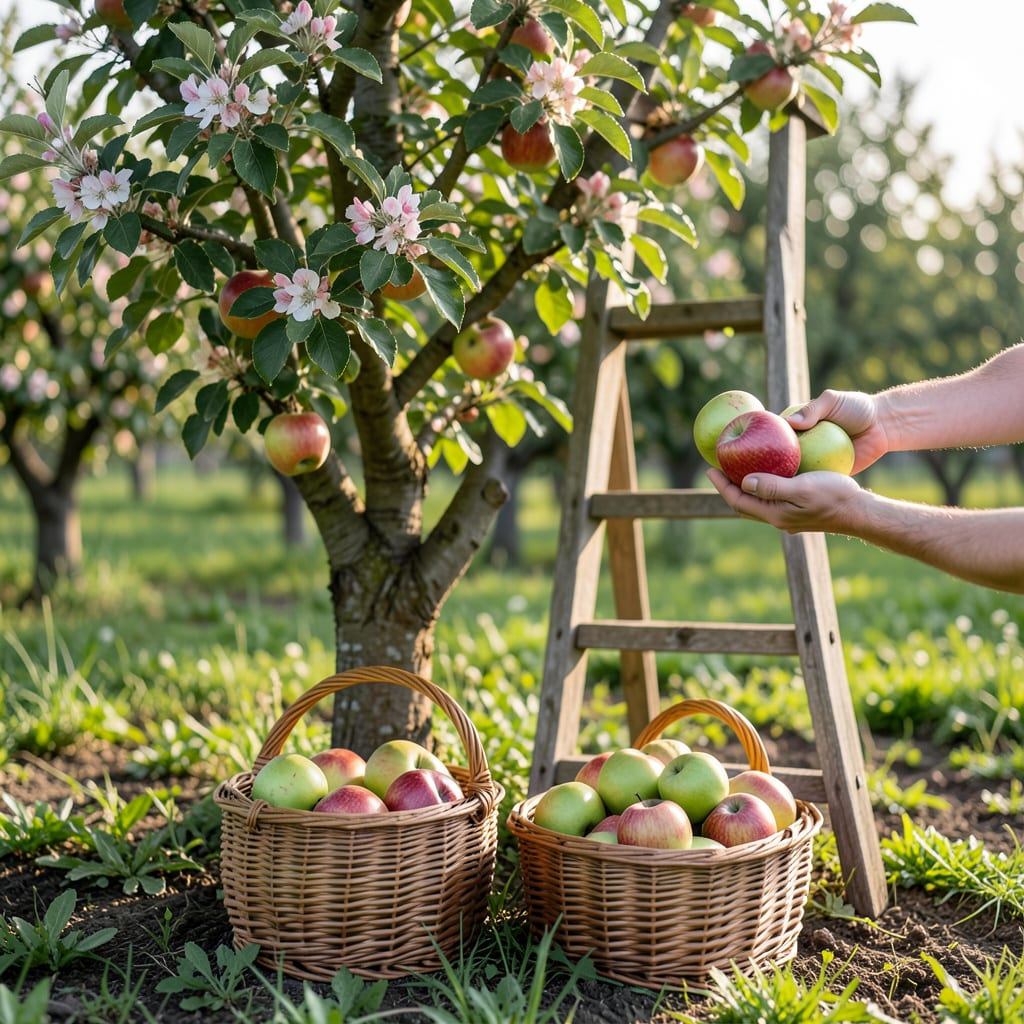
Nothing beats the taste of a freshly picked Apple 🍎 at peak ripeness. But knowing the right moment to harvest can be tricky if you don’t know what to look for.
I’ll show you the key visual cues and seasonal timing to ensure your apples are crisp, flavorful, and ready to enjoy. Let’s make this harvest your best one yet.


I always check for color change first when determining if my apples are ready. The fruit should display its variety-specific hue, whether that’s deep red, golden yellow, or a mix. A green apple turning fully red is a clear sign it’s ripening.
Next, I look at the seeds inside. If they’re still white or light-colored, the apple isn’t ready. When they turn dark brown, that’s your cue that the fruit has matured properly.
| Ripeness Sign | What to Look For |
|---|---|
| Color Change | Full characteristic color for variety |
| Seed Color | Dark brown seeds |
| Stem Separation | Easily twists from branch |
| Texture | Slight give when pressed |
| Aroma | Sweet scent near stem |
The stem test is another reliable method. Gently lift an apple and twist it upward. If it separates easily from the branch, it’s likely ready to pick. If it resists, leave it for another week.
I also pay attention to texture changes. A ripe apple will have a slight give when you press it gently with your palm. If it feels rock-hard, it needs more time on the tree.
Don’t forget the taste test! If you’re unsure, pick one apple and sample it. A sweet, crisp bite means the rest are probably ready. If it’s tart or starchy, wait a few more days.
The aroma test works well too. Ripe apples emit a sweet fragrance near the stem. If you can smell that characteristic apple scent, it’s a good indicator of ripeness.
For early varieties like Gala or McIntosh, these signs might appear in late summer. Later varieties such as Fuji or Granny Smith typically show ripeness in early to mid-fall.
Remember that weather conditions can affect ripening. A warm, sunny season might speed up the process, while a cool, cloudy one could delay it by a week or two.
I always keep a harvest journal to track these signs year to year. This helps me predict the perfect picking time more accurately as I learn my trees’ patterns. 🌳
Timing your apple harvest depends heavily on the variety you’re growing. Early-season apples like Gala or McIntosh typically ripen in late summer, often as early as August.
Late-season varieties such as Fuji or Granny Smith usually need until early to mid-fall to reach peak ripeness. Climate plays a big role, so adjust based on your local conditions.
Gala: Late July – Early August
McIntosh: Early – Mid August
Yellow Transparent: Late July
Fuji: Mid – Late October
Granny Smith: Late October
Braeburn: Late October – Early November
In warmer climates, apples may ripen 1-2 weeks earlier than in cooler regions. I’ve noticed my Gala apples in Zone 7 are often ready by early August when summers are hot.
For late varieties, the first frost can be a useful marker. I aim to harvest all apples before the first hard frost, as cold snaps can damage the fruit and reduce storage life.
If you’re growing multiple varieties, space out your harvests. I pick my McIntosh apples in August, then move to Honeycrisp in September, and finish with Granny Smith in October.
Keep a harvest calendar to track ripening times each year. This helps me fine-tune my timing as I learn how my trees respond to seasonal variations. 🌳
One of the biggest mistakes I see is harvesting too early. Picking apples before they’re fully ripe means you’ll miss out on their peak flavor and sweetness. Always check the color and seed maturity first.
Another common error is waiting too long. Overripe apples become mealy and soft, and they’re more prone to dropping from the tree. This can lead to bruised fruit that doesn’t store well.
⚠️ Warning: Avoid harvesting during wet conditions as moisture can promote rot and disease in stored apples.
Improper handling can also damage your harvest. Always lift apples gently and twist upward rather than pulling them. This prevents stem damage to both the fruit and the tree.
Ignoring weather forecasts is another pitfall. A hard frost can ruin apples still on the tree. I always aim to finish my harvest before the first frost hits my area in Zone 5.
Lastly,
They should display their variety-specific hue, whether deep red, golden yellow, or a mix. A fully colored apple means it’s ready, while green or pale patches indicate it needs more time.
Cut open an apple and check the seeds. When they turn dark brown, the fruit is mature. If they’re still white or light-colored, wait another week before harvesting.
Yes! Gently lift and twist the apple upward. If it separates easily from the branch, it’s ready. If it resists, leave it on the tree a bit longer.
Avoid waiting that long. A hard frost can damage the fruit and reduce storage life. Aim to finish harvesting before the first frost hits your area.
