
Beautiful Plants For Your Interior
Beautiful Plants For Your Interior
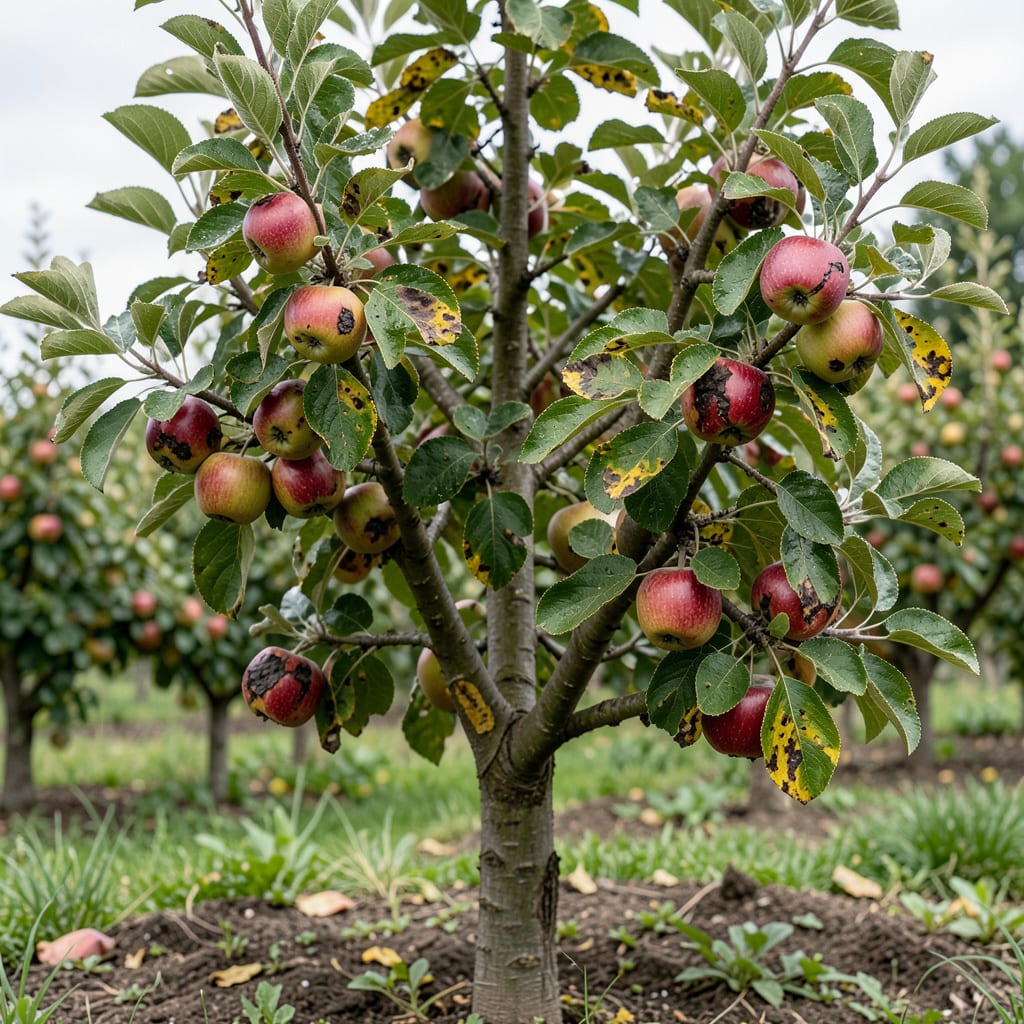
Spotting trouble early saves your apple trees. I’ve lost branches to disease before—now I catch the warning signs fast with this visual guide.
Brown spots, powdery coatings, or oozing cankers aren’t just ugly. They’re red flags for common diseases like scab, powdery mildew, or fire blight. Each has a distinct look you’ll recognize once you see it.
With the right images and descriptions, you’ll diagnose problems in minutes instead of guessing. Treatment becomes precise, not panic-driven.
Works for backyard orchards, small gardens, or even a single beloved tree. Here’s how to spot and stop the spread.
Apple trees, like all plants, are vulnerable to diseases triggered by a mix of environmental, biological, and cultural factors. Understanding these causes is key to prevention and early intervention. Below are the primary reasons apple tree diseases develop, broken down by category.
Fungi are the leading cause of apple tree diseases, thriving in warm, wet conditions. Common culprits include Venturia inaequalis (apple scab), Podosphera leucotricha (powdery mildew), and Monilinia spp. (brown rot). These pathogens spread via spores carried by wind, rain, or contaminated tools. Overhead irrigation and poor air circulation exacerbate fungal growth.
Bacteria such as Erwinia amylovora (fire blight) and Pseudomonas syringae enter through wounds or natural openings like blossoms. Fire blight, for example, thrives in temperatures between 65–80°F (18–27°C) and spreads rapidly during wet springs. Pruning at the wrong time or using unclean tools can introduce and spread bacterial infections.
Insects like aphids, mites, and apple maggots don’t just damage trees directly—they also act as vectors for viral and bacterial diseases. For instance, the woolly apple aphid transmits Apple proliferation phytoplasma, while codling moths can introduce secondary infections through fruit wounds.
Poor growing conditions weaken trees, making them more susceptible to disease. Drought, waterlogging, nutrient deficiencies (e.g., low calcium), and extreme temperature swings stress the tree’s immune system. Compacted or poorly drained soil also restricts root health, reducing the tree’s ability to fight off pathogens.
Improper care often invites disease. Overcrowding trees limits airflow, creating a humid microclimate ideal for fungi. Neglecting to remove fallen leaves or fruit (which harbor pathogens) and failing to sanitize pruning tools can spread infections. Additionally, planting disease-susceptible varieties without resistant rootstocks increases risk.
Tackling apple tree diseases early can save your harvest and keep your trees thriving. Below are practical solutions for common problems, paired with prevention tips to stop them from returning.
Fix: Remove and destroy infected leaves and fruit to stop the fungus from spreading. Apply fungicide (like sulfur or copper-based sprays) in early spring before buds open, and repeat every 7–10 days during wet weather. Prune branches to improve airflow, which reduces moisture buildup.
Prevent: Rake and dispose of fallen leaves in autumn to eliminate overwintering spores. Choose scab-resistant varieties like Liberty or Honeycrisp for future plantings. 💡 Pro tip: Water trees at the base—not overhead—to keep leaves dry.
Fix: Prune out galls (swollen growths) on cedar or juniper hosts near your orchard, as these harbor the fungus. Apply fungicide sprays (e.g., myclobutanil) at pink bud stage and again after petal fall. Remove and burn infected apple tree branches and fruit.
Prevent: Plant apple trees at least 1,000 feet away from cedar or juniper trees. Use rust-resistant apple varieties like Redfree or William’s Pride. 💡 Pro tip: Monitor nearby wild cedars for galls and remove them promptly.
Fix: Spray affected areas with neem oil or baking soda solution (1 tbsp baking soda + 1 tsp dish soap + 1 gallon water). Prune dense foliage to increase sunlight penetration and airflow. Severely infected shoots should be removed and destroyed.
Prevent: Space trees properly during planting to avoid crowding. Avoid high-nitrogen fertilizers, which promote lush, susceptible growth. 💡 Pro tip: Apply sulfur-based fungicides preventatively in early summer before symptoms appear.
Fix: Blast pests off leaves with a strong stream of water. Introduce beneficial insects like ladybugs or lacewings. For severe infestations, use insecticidal soap or horticultural oil, applying in the evening to avoid harming pollinators.
Prevent: Encourage natural predators by planting companion plants like yarrow or dill. Keep trees healthy with balanced fertilization—stressed trees attract more pests. 💡 Pro tip: Hang yellow sticky traps to monitor and reduce aphid populations early.
Leaf spots are a key indicator, but they’re not the whole story. Apple scab causes dark, irregular spots, while powdery mildew appears as a white coating. Always check other symptoms like fruit lesions or branch cankers for confirmation.
Fungal spores thrive in moisture, so diseases like apple scab and brown rot spread fastest during rainy springs. Dry conditions slow their growth, which is why proper spacing and airflow are critical.
Start with resistant varieties like Liberty or Honeycrisp. Keep the area clean by removing fallen leaves and fruit. Water at the base, not the leaves, to reduce moisture on foliage.
Yes! Prune infected branches 6 inches below visible damage and sanitize tools between cuts. Copper sprays can help prevent spread, but removal is the most effective organic control.
