
Beautiful Plants For Your Interior
Beautiful Plants For Your Interior
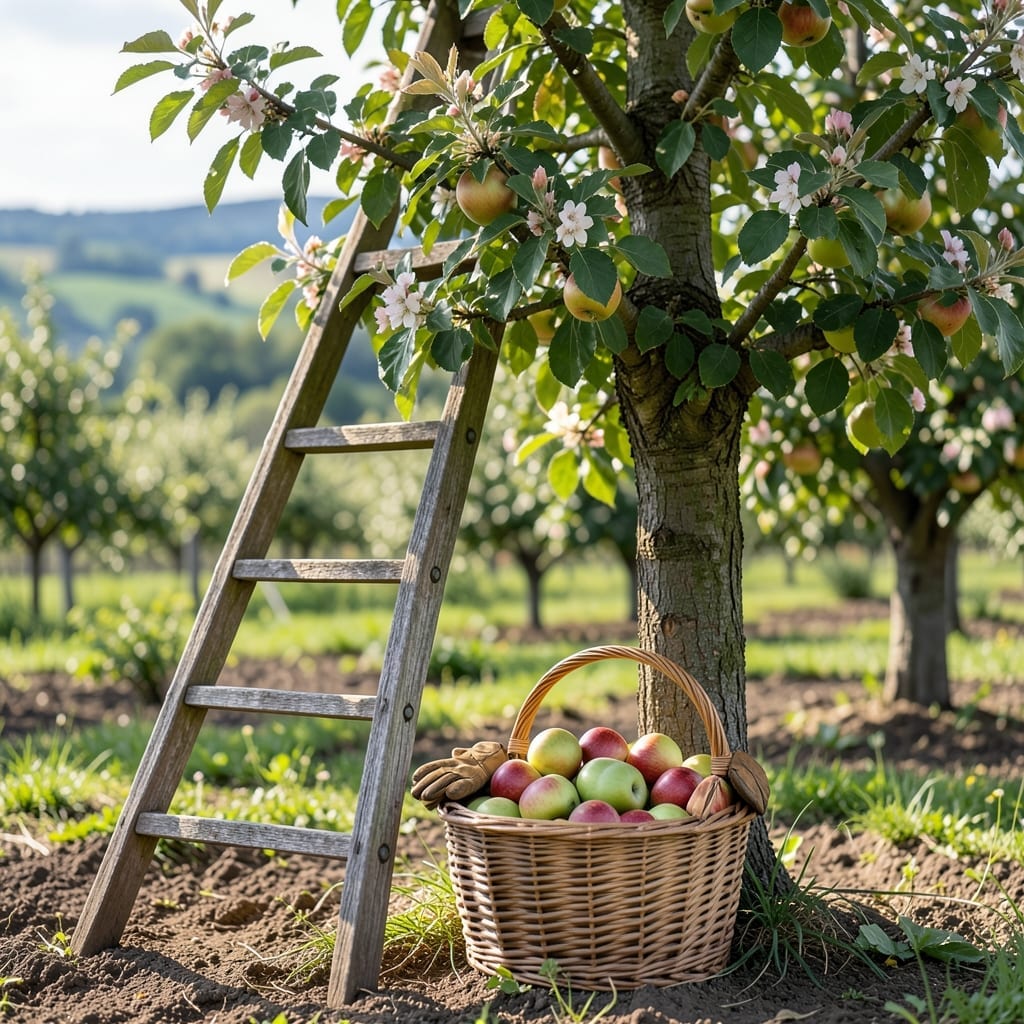
Nothing beats the crisp, sweet taste of a freshly picked 🍎—but timing is everything. I learned the hard way that picking too early or late can ruin both flavor and storage potential.
Each Apple variety has its own perfect window, typically falling between late summer and fall. Whether you’re growing in zone 5-8 or elsewhere, knowing these cues makes all the difference.
I’ll show you how to spot the most important ripeness signs, from color changes to the simple twist test. These small details ensure your harvest is nothing short of perfect.
Discover the secrets to picking Apples at their peak—your taste buds (and storage shelf) will thank you.


Timing your apple harvest perfectly depends on the variety you’re growing. Early-season apples like Gala or McIntosh typically ripen in late July to early August, while mid-season favorites such as Fuji are ready in September. 🌳
Late-season varieties like Granny Smith and Pink Lady often hold out until October or November. Climate plays a huge role—cooler regions may see earlier harvests, while warmer areas can extend the season by a few weeks. ✂️
| Variety | Harvest Window | Key Ripeness Cue |
|---|---|---|
| Gala | Late July – Early August | Red-yellow blush, sweet aroma |
| Honeycrisp | Mid-September | Deep red, crisp texture |
| Granny Smith | October – November | Bright green, firm feel |
| Fuji | Late September – October | Red-pink hue, super sweet |
| Pink Lady | Late October | Pink-red skin, tangy flavor |
I always check for visual cues like color change and stem separation. For example, Honeycrisp apples develop a deep red hue when ready, while Granny Smiths stay vibrant green but soften slightly. 🌿
Regional differences matter too. In Pacific Northwest, cooler temps can delay ripening by 1-2 weeks. Meanwhile, Southern growers might harvest earlier due to warmer climates. Always monitor local weather and adjust accordingly.
Another pro tip: Days from bloom is a reliable metric. Most apple varieties need 120-180 days from flowering to harvest. I track this in my gardening journal to predict ripeness each year.
For early varieties, watch for fruit drop—a sign they’re ready. Mid-season apples often need a gentle twist to detach, while late-season types may require pruning shears for a clean pick.
Don’t forget taste tests! Sample a few apples from different parts of the tree. If they’re sweet and juicy, it’s go time. Underripe fruit tastes starchy, while overripe apples turn mushy. 🌱
Finally, storage potential varies by type. Early apples like Yellow Transparent are best eaten fresh, while late varieties such as Arkansas Black can last months in cool storage.
Timing your apple harvest perfectly ensures the best flavor and storage life. I always check for visual cues like full color development specific to each variety before picking. A deep red or golden hue often signals readiness.
But color alone isn’t enough. I rely on the twist test—gently twisting the apple upward. If it separates easily from the branch, it’s likely ready to harvest. This method works for most apple varieties in my garden.
The seed color method is one of my favorites. Slice an apple open and examine the seeds. If they’re dark brown, your fruit is at peak ripeness. Light-colored seeds mean the apple needs more time on the tree.
For a more scientific approach, I count the days from bloom. Most apple varieties need 120 to 180 days to mature. I keep a garden journal to track blooming dates, which helps predict the harvest window accurately.
Don’t forget the taste test—the most reliable method. Pick one apple and sample it. If it’s sweet and crisp, the rest are likely ready. If it’s tart or starchy, wait a few more days before harvesting the entire crop.
Remember, early varieties like Gala ripen in late summer, while late varieties like Granny Smith may need until late fall. Always consider your local climate and growing conditions when testing for ripeness.
With these methods, I’ve never had a disappointing apple harvest. Try them in your garden for the best results this season