
Beautiful Plants For Your Interior
Beautiful Plants For Your Interior
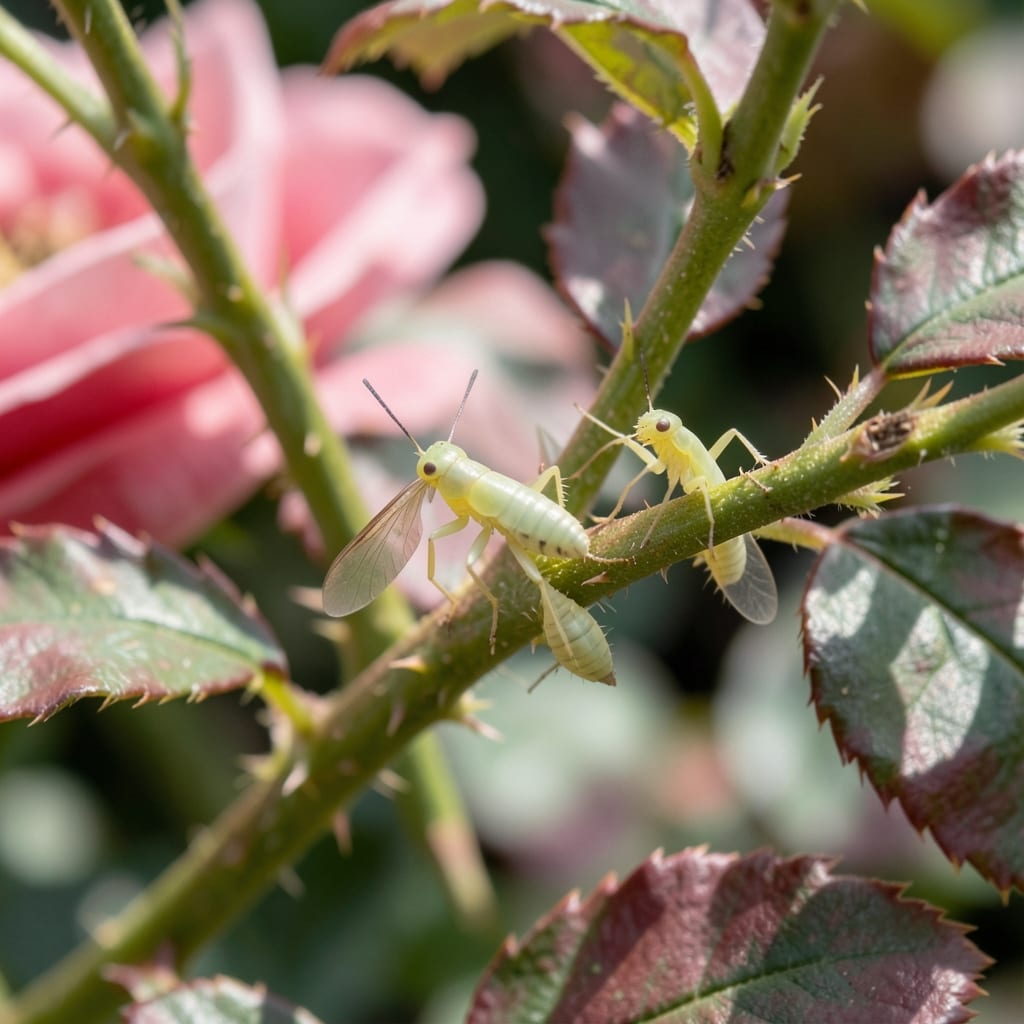
My rose bushes were covered in aphids last spring. Tiny green monsters sucking the life out of my blooms, leaving sticky residue everywhere. I tried everything until I found the one solution that actually works.
It’s not expensive sprays or fancy equipment—just a simple soap solution you can mix in your kitchen. The aphids disappear within 24 hours, and the roses bounce back faster than you’d expect. No harsh chemicals, no complicated steps.
You’ll see the difference immediately. Leaves regain their vibrant green, buds open fully, and the plants look healthier than before. The best part? It prevents future infestations too.
Works for all rose varieties, from climbers to miniatures. Here’s how to do it right.
Aphids flock to roses for a mix of biological and environmental reasons. Understanding these triggers helps you prevent infestations before they start. Here’s the science behind why your roses become a buffet for these tiny pests.
Excess nitrogen in soil promotes lush, soft new growth—aphids’ favorite food. Roses heavily fertilized with high-nitrogen blends produce tender shoots packed with amino acids, which aphids detect via plant volatile organic compounds (VOCs). This is like ringing a dinner bell.
Inconsistent watering—either overwatering or drought stress—weakens rose plants. Stressed roses emit distress signals in the form of chemical compounds that aphids are evolutionarily wired to seek out. Overwatering also fosters fungal growth, which can attract aphids indirectly.
Aphids thrive in temperatures between 65–80°F (18–27°C) with low humidity. These conditions speed up their reproductive cycle (some species can clone themselves in 7–10 days). Roses in full sun without adequate air circulation become hotspots for rapid aphid population growth.
When gardens lack beneficial insects like ladybugs, lacewings, or parasitic wasps, aphid populations explode unchecked. Monoculture rose beds (with no companion plants) or excessive pesticide use can wipe out these natural controls, leaving aphids free to multiply.
Dealing with aphids on your roses doesn’t have to be a losing battle. Here’s how to tackle each cause with simple, effective fixes—and keep those pests from coming back.
Mix 1 tablespoon of mild liquid soap (like Castile) with 1 quart of water and spray directly on aphids. The soap breaks down their protective coating, causing them to dehydrate. Repeat every 2-3 days until they’re gone. Pro tip 💡: Test on a few leaves first to avoid damaging sensitive rose varieties.
For larger outbreaks, use neem oil (mix 1-2 tablespoons with 1 gallon of water) or a commercial insecticidal soap. These disrupt aphid feeding and reproduction. Apply in the early morning or late evening to avoid harming beneficial insects like bees. Reapply after rain.
Encourage natural predators by releasing ladybugs (available at garden centers) or planting companion plants like marigolds, which attract aphid-eating insects. Avoid broad-spectrum pesticides—they kill the good bugs too! Prevention tip ✨: A diverse garden ecosystem keeps aphids in check long-term.
Aphids love new, tender growth spurred by excess nitrogen. Switch to a balanced, slow-release fertilizer and avoid over-fertilizing. Organic options like compost or fish emulsion promote steady growth without the aphid magnet effect.
Stressed roses are aphid magnets. Water deeply 1-2 times a week (more in heat) to keep plants healthy. Mulch around the base to retain moisture. Prevention tip 🌡️: Drip irrigation reduces leaf wetness, which can also attract pests.
Prevention is key! Regularly inspect your roses for early signs of aphids, and prune affected areas to stop the spread. A little vigilance goes a long way in keeping your blooms aphid-free.
Apply every 2-3 days until aphids are gone. Reapply after rain or heavy watering. Consistency is key for breaking their life cycle.
Mild soap solutions (like Castile) are safe if diluted properly. Always test on a few leaves first. Avoid harsh detergents that can damage foliage.
Yes, but use 1 tablespoon of mild dish soap per 1 quart of water. Avoid antibacterial or degreasing soaps, as they may harm plants.
Apply in early morning or late evening to avoid harming beneficial insects like bees. This also prevents rapid evaporation in hot sun.