
Beautiful Plants For Your Interior
Beautiful Plants For Your Interior
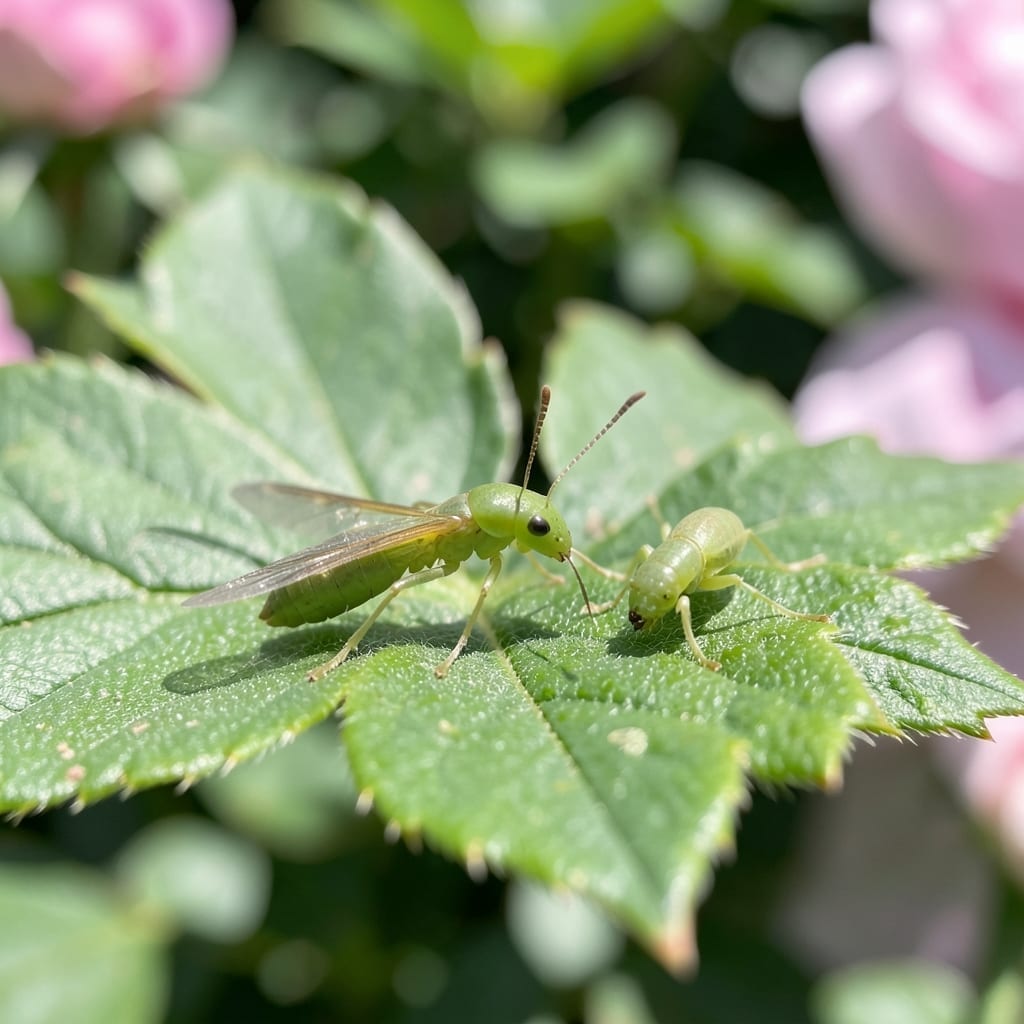
Peony season nearly broke me last spring. Tiny green invaders swarmed my buds overnight, turning promising blooms into sticky, curled messes.
Here’s the thing—aphids on peonies don’t have to mean lost flowers. I discovered that a strong blast of water dislodges most, and ladybugs finish the rest if you give them a chance.
Within 48 hours of starting this approach, the population dropped by half. The buds straightened, the stickiness disappeared, and my peonies opened into those lush, fragrant blossoms I plant them for.
Works for early infestations and prevents them from spreading. No chemicals required.
Aphids flock to peonies for several key reasons, most tied to the plant’s biology and growing conditions. Understanding these causes helps you disrupt their life cycle naturally.
Peonies fed high-nitrogen fertilizers produce lush, soft new growth—aphids’ favorite food. These pests target tender shoots and leaves rich in amino acids, which nitrogen boosts. Switch to balanced or phosphorus-heavy fertilizers to harden plant tissues and deter feeding.
Aphids thrive in damp environments. Overwatering or poor drainage creates ideal breeding grounds on peony stems and undersides of leaves. Water at the base early in the day to allow foliage to dry, and ensure good airflow between plants.
Without ladybugs, lacewings, or parasitic wasps, aphid populations explode. Monoculture gardens or heavy pesticide use can wipe out these beneficial insects. Plant companion flowers like marigolds or yarrow to attract predators and restore balance.
Aphids reproduce rapidly in cool, mild weather—perfect for peony growing seasons. Females can produce live young without mating, leading to quick infestations. Monitor plants closely in early spring and remove aphids by hand or with a strong water spray before numbers surge.
Tackle aphids on your peonies with these simple, non-toxic solutions. Each fix targets a specific cause while keeping your garden safe and vibrant.
Dense foliage traps moisture and invites aphids. Thin out crowded stems to improve airflow. Trim back nearby weeds or overgrown plants that may be harboring pests. Prevention tip: Space peonies 3–4 feet apart when planting to reduce future infestations.
Aphids thrive in damp conditions. Water peonies at the base (not overhead) to keep leaves dry. Use a soaker hose or drip irrigation for best results. Prevention tip: Water early in the morning so foliage dries quickly in the sun. 🌞
Encourage natural aphid predators like ladybugs, lacewings, and hoverflies. Plant companion flowers (e.g., dill, yarrow, or alyssum) to attract them. Avoid broad-spectrum pesticides that harm helpful bugs. Pro tip: 💡 Purchase ladybugs from garden centers for a quick boost!
Mix 1 tsp mild liquid soap (like Castile) with 1 quart of water and spray directly on aphids. Reapply every 4–5 days until they’re gone. Prevention tip: Test on a small area first to avoid leaf burn.
For stubborn cases, use neem oil or horticultural oil (follow label instructions). These smother aphids and disrupt their life cycle. Apply in the early morning or late evening to avoid harming bees. 🐝
Prevention is key! Keep your garden clean, monitor plants regularly, and act at the first sign of aphids for lush, aphid-free peonies all season.
Over-fertilizing with nitrogen and excess moisture create ideal conditions. Mild spring weather also encourages rapid reproduction.
Yes! Mix 1 tsp mild soap with 1 quart of water and spray directly on aphids. Reapply every 4-5 days until gone.
Ladybugs are natural predators that feed on aphids. Plant companion flowers like dill or yarrow to attract them.
Check plants in early spring and treat at first sight. For sprays, apply in early morning or late evening to protect bees.