
Beautiful Plants For Your Interior
Beautiful Plants For Your Interior
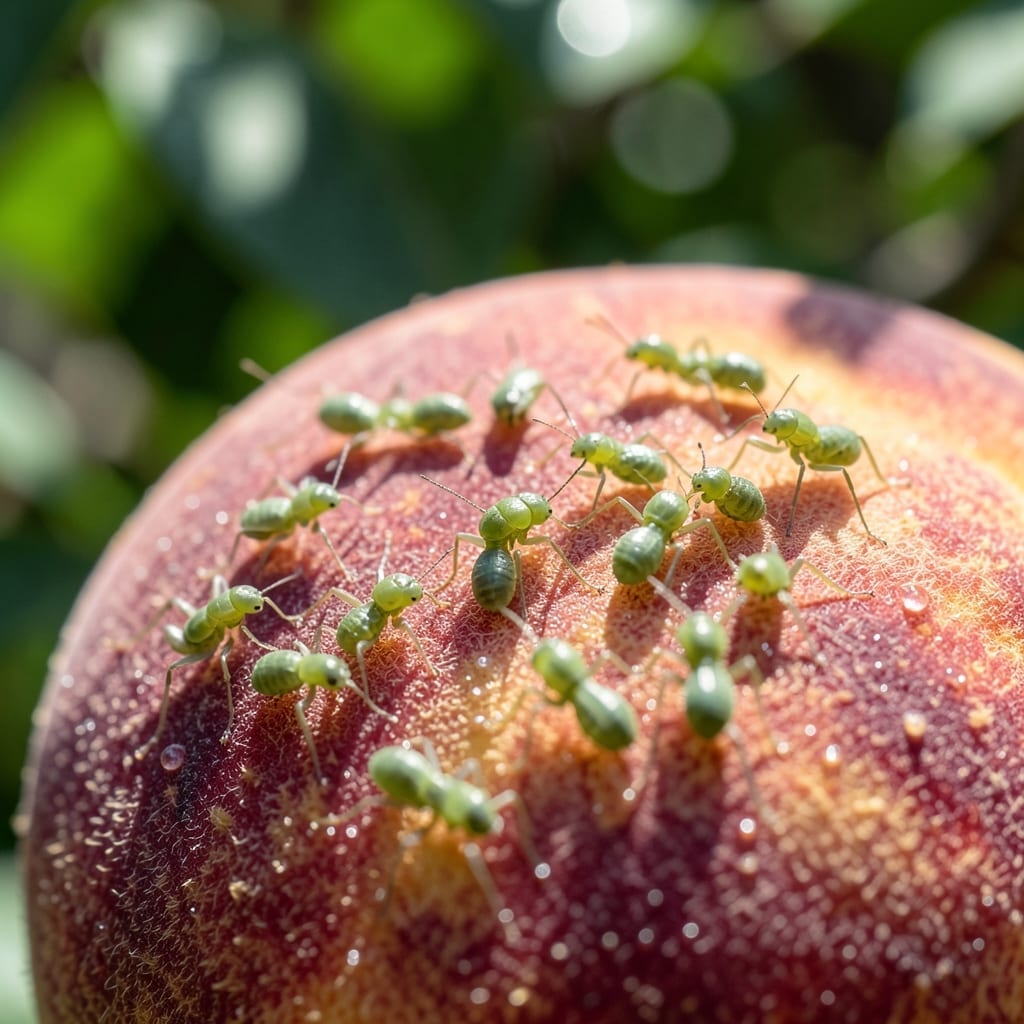
Tiny green invaders on your peach leaves mean trouble. 🌿 I spotted my first aphid outbreak last spring—curled leaves, sticky residue, and stunted fruit that never ripened properly.
These pests multiply fast, but I’ve found a simple spray that knocks them back without chemicals. A mix of soapy water and neem oil does the trick, and it’s safe for the fruit you’ll eat later.
You’ll see results within 24-48 hours as the aphids disappear. The key is catching them early before they spread to every branch.
Works for young and mature trees alike. Here’s how to mix it and apply it for the best protection all season.
Aphids thrive on peach trees due to a combination of environmental, biological, and cultural factors. Understanding these triggers helps prevent and manage outbreaks effectively.
Excess nitrogen in soil promotes lush, soft growth—ideal feeding grounds for aphids. These pests are drawn to tender new shoots and leaves, which are easier to pierce and sap-suck. Action: Balance fertilization with phosphorus and potassium to strengthen plant cell walls.
Aphids reproduce rapidly in mild temperatures (60–80°F) and low humidity. Drought-stressed peach trees also emit volatile compounds that attract aphids. Action: Use drip irrigation to maintain soil moisture and reduce plant stress signals.
Without ladybugs, lacewings, or parasitic wasps, aphid populations explode unchecked. Pesticide overuse often kills these beneficial insects first. Action: Plant companion flowers like dill or yarrow to attract predator species.
Poor pruning leads to dense canopies with limited airflow, creating humid microclimates where aphids flourish. Stressed trees (from poor soil or disease) also emit chemicals that lure pests. Action: Prune annually to improve ventilation and remove weak growth.
Dealing with aphids on your peach trees requires quick and effective action. Here’s a practical, step-by-step guide to tackle the issue and keep your fruit healthy and thriving.
Start with a homemade insecticidal soap to target aphids without harming beneficial insects. Mix 1 tablespoon of mild liquid soap with 1 quart of water and spray directly on the aphids. For a stronger solution, try neem oil—dilute it as directed on the label and apply in the early morning or late evening to avoid harming bees.
A simple but effective method is to blast aphids off with a strong stream of water from your garden hose. This works best for small infestations and should be done early in the day so the leaves can dry quickly, reducing the risk of fungal issues.
Encourage natural predators like ladybugs, lacewings, or parasitic wasps to your garden. These insects feed on aphids and can significantly reduce their numbers. Plant companion plants such as dill, fennel, or yarrow to attract these helpful allies.
💡 Pro tip: Apply treatments in the early stages of infestation for the best results. Consistency is key—repeat applications every 5-7 days until the aphids are under control.
Apply natural sprays every 5-7 days until the infestation clears. Reapply after rain or heavy watering. Consistency is key to breaking their life cycle.
Mild soap solutions are safe but test on one leaf first. Use 1 tablespoon per quart of water and avoid harsh detergents. Rinse leaves if residue appears.
They’re attracted to new growth and stressed trees. Reduce nitrogen fertilizer and improve airflow with pruning. Natural predators like ladybugs help prevent recurrence.
Yes, but wash thoroughly. With organic sprays like neem oil, it’s safe after 24-48 hours. Always follow label instructions for edible plants.