
Beautiful Plants For Your Interior
Beautiful Plants For Your Interior
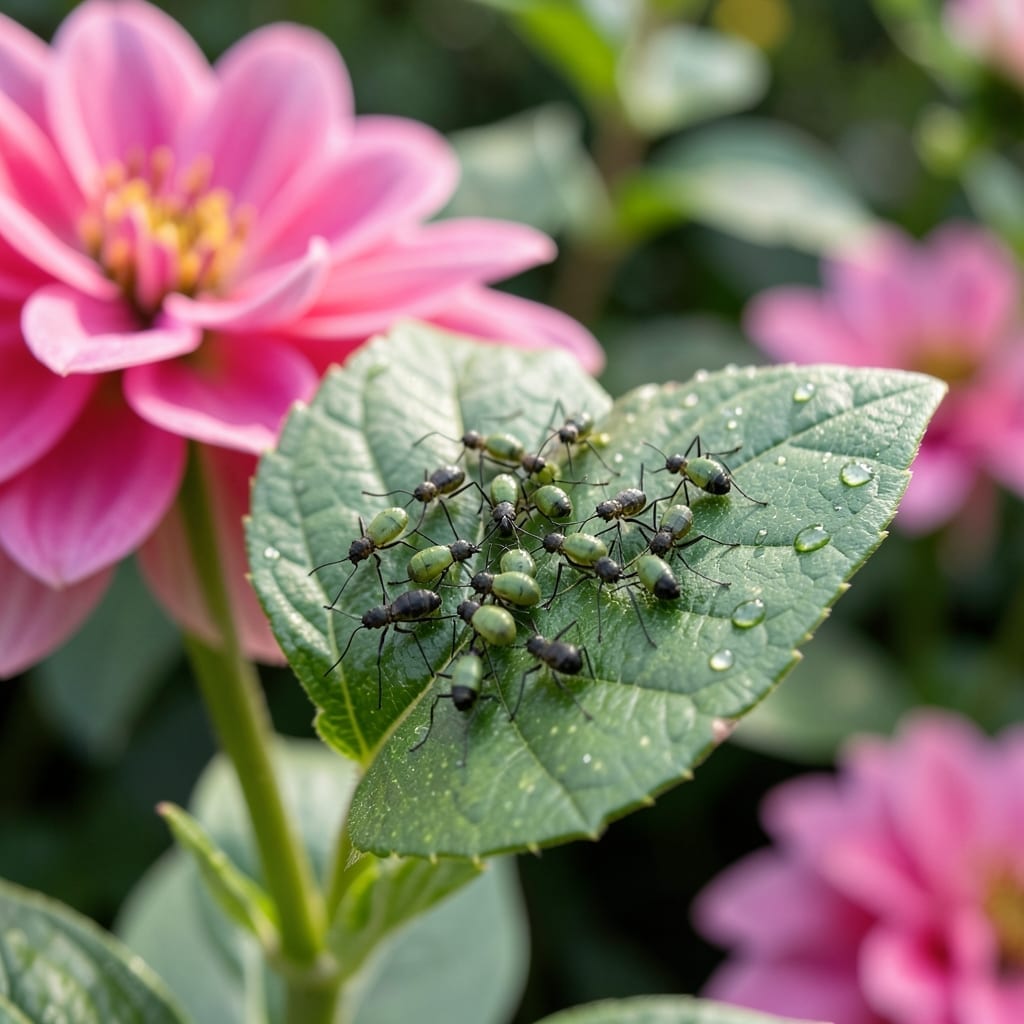
Tiny green invaders on your dahlias are more than annoying—they’re stealing your blooms. I’ve battled aphids on my dahlia patch for three seasons now, and the war changes when you understand their weak spots.
Neem oil stops them in their tracks, but timing and application matter more than the spray itself. A weekly inspection of new growth catches them before they multiply, and a strong blast from the hose knocks back early infestations without chemicals.
Your dahlias will bounce back fast once the aphids are gone. Leaves regain their deep green color within 48 hours, and buds that were curling open normally again. The key is persistence—they always try to return.
Works for all dahlia varieties, from dinnerplate to pompon. Here’s the exact method that saved my garden.
Aphids are drawn to dahlias for a few key biological and environmental reasons. Understanding these causes helps you address the root of the problem rather than just treating the symptoms.
Aphids thrive on tender, succulent plant tissues, and dahlias produce abundant soft new growth during their active growing season. This fresh foliage is packed with nutrients and low in defensive compounds, making it an ideal feeding ground for aphids. The high nitrogen content in young dahlia leaves further entices these pests, as nitrogen is a primary component of the sap they consume.
Excessive use of nitrogen-rich fertilizers can unintentionally create a buffet for aphids. While nitrogen promotes lush, green growth, it also softens plant tissues and increases sap production—both of which attract aphids. Balancing fertilization with phosphorus and potassium can help strengthen plant cells and reduce vulnerability to infestations.
Dahlias under water stress (either too much or too little) become more susceptible to aphid attacks. Overwatering can lead to soft, weak growth, while drought stress weakens the plant’s natural defenses. Consistent, moderate watering helps maintain the plant’s vigor and resilience against pests.
Aphids multiply rapidly when their natural predators—such as ladybugs, lacewings, and parasitic wasps—are absent. Monoculture gardens or those heavily treated with broad-spectrum pesticides often lack these beneficial insects. Encouraging biodiversity in your garden can help restore the natural balance and keep aphid populations in check.
Tackling aphids on your dahlias doesn’t have to be a battle. With the right approach, you can restore your plants to their vibrant, healthy state. Here’s how to address the issue based on the root cause:
If aphids thrive due to dense foliage, thin out your dahlias to improve airflow. Trim back crowded stems and ensure plants are spaced at least 18–24 inches apart. This reduces hiding spots for aphids and makes it harder for them to spread.
Prevention tip: 💡 Plant dahlias with adequate spacing from the start to minimize future infestations.
Aphids love damp conditions. Water your dahlias at the base early in the day to allow foliage to dry quickly. Avoid overhead watering, which creates a humid environment aphids adore.
Prevention tip: 🌡️ Use drip irrigation to keep leaves dry while ensuring roots stay hydrated.
Encourage beneficial insects like ladybugs, lacewings, and parasitic wasps. Plant companion flowers such as marigolds or alyssum nearby to attract these aphid predators. You can also purchase ladybugs from garden centers for a quick boost.
Prevention tip: ✨ Avoid broad-spectrum pesticides, which harm helpful insects alongside pests.
Stressed or weak dahlias are aphid magnets. Apply neem oil as both a treatment and preventive measure. Mix 1–2 tablespoons of neem oil with a gallon of water and a teaspoon of dish soap, then spray evenly on both sides of leaves. Reapply every 5–7 days or after rain.
Prevention tip: 🎯 Strengthen plants with balanced fertilizer to keep them resilient against pests.
By addressing the cause and applying these fixes, your dahlias will bounce back—aphid-free and flourishing! 🌸
Inspect new growth weekly during the growing season. Aphids multiply quickly, so early detection prevents major infestations. Focus on the undersides of leaves and flower buds where they like to hide.
Yes, a mild dish soap solution (1 tsp per quart of water) works as a temporary fix. Spray directly on aphids to break down their protective coating. Reapply after rain or every 4-5 days.
They’re attracted to soft new growth and lack of predators. Reduce nitrogen-heavy fertilizers and introduce beneficial insects like ladybugs. Consistent treatment and prevention are key to breaking the cycle.