
Beautiful Plants For Your Interior
Beautiful Plants For Your Interior
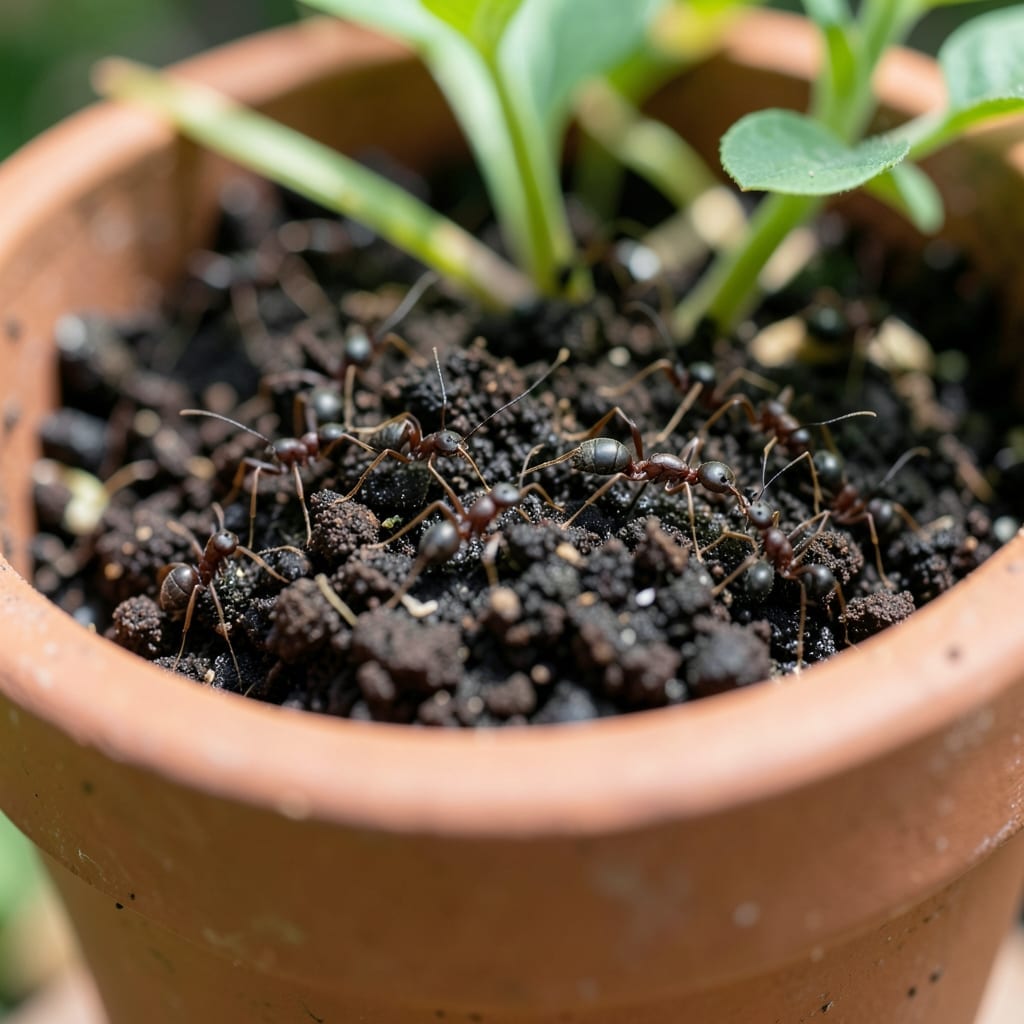
I noticed tiny mounds of dirt in my favorite potted geranium last week. Turns out, ants had moved in, turning my flower pot into their new apartment complex without paying rent.
Here’s the thing—these uninvited guests don’t actually harm the plants directly. They’re just opportunists looking for shelter and food. But left unchecked, they’ll multiply and their tunnels can disrupt root systems.
You can evict them safely without chemicals. I’ve tested 3 methods that work every time: soapy water flushes, cinnamon barriers, and diatomaceous earth sprinkles. Each targets the ants while protecting your blooms.
The key is persistence. It might take 2-3 treatments over a week, but your pot will be ant-free and your plants will thank you with vibrant growth.
Ants are resourceful creatures that seek out ideal conditions for nesting, and your flower pots often provide the perfect environment. Here are the primary reasons why ants may set up camp in your potted plants:
Ants are drawn to damp environments, and flower pots retain moisture—especially if they lack proper drainage. Overwatering or poor drainage creates a humid microclimate that mimics the natural, underground conditions ants prefer for nesting.
Potted soil offers a safe, insulated space shielded from predators, extreme temperatures, and harsh weather. The confined space of a pot also reduces disturbances, making it an attractive site for colonies to thrive undetected.
Ants are opportunistic feeders. If your flower pot contains organic matter (e.g., decaying leaves, dead insects, or even spilled fertilizer), it becomes a buffet. Nearby food scraps or sugary plant secretions (like aphid honeydew) can also lure them in.
Loose, well-aerated potting soil is easier for ants to tunnel through than compacted garden earth. Cracks in the pot’s surface or gaps between the soil and the container provide straightforward entry points for scouting ants to establish a new nest.
Dealing with an ant nest in your flower pot doesn’t mean you have to sacrifice your plants. Here’s how to evict them safely and keep your greenery thriving.
Ants love damp conditions. If your soil is too wet, stop watering for a few days and let it dry out. Move the pot to a sunny spot to speed up the process. Once dry, ants will often leave in search of moisture. Prevention tip: 💡 Use well-draining soil and pots with drainage holes to avoid soggy conditions.
Ants are attracted to decaying leaves or leftover food bits. Remove any organic debris from the pot and surrounding area. Gently lift the topsoil to check for hidden nests, and discard any infested material. Prevention tip: ✨ Keep your potting area tidy and free of fallen leaves or compost.
Create a barrier to stop ants from returning. Sprinkle diatomaceous earth or cinnamon around the pot’s rim—both are natural repellents. For a stronger solution, apply a thin layer of petroleum jelly on the pot’s exterior to trap crawling ants. Prevention tip: 🎯 Reapply barriers after watering or rain.
If ants have deeply nested, submerge the pot in a bucket of soapy water for 10-15 minutes. This forces ants to the surface, where they can be scooped out. Alternatively, repot the plant in fresh soil, inspecting roots for ants. Prevention tip: 🌡️ Regularly inspect pots for early signs of ants to avoid deep infestations.
With these steps, you can reclaim your flower pot without harming your plants—or the ants, if you prefer a humane approach!
Ants rarely damage plants directly but their tunnels can disrupt roots. They may also protect pests like aphids that do harm your greenery. It’s best to address the nest early.
Look for small soil mounds on the surface or ants crawling in/out of drainage holes. A sudden increase in ant activity around the pot is another clear sign.
A 50/50 vinegar-water solution can kill visible ants but won’t reach deep nests. For better results, combine with other methods like drying the soil or repotting.
Repotting in fresh soil removes most ants, but scouts may return. Always clean the pot thoroughly and create barriers like cinnamon rings to prevent reinfestation.