
Beautiful Plants For Your Interior
Beautiful Plants For Your Interior
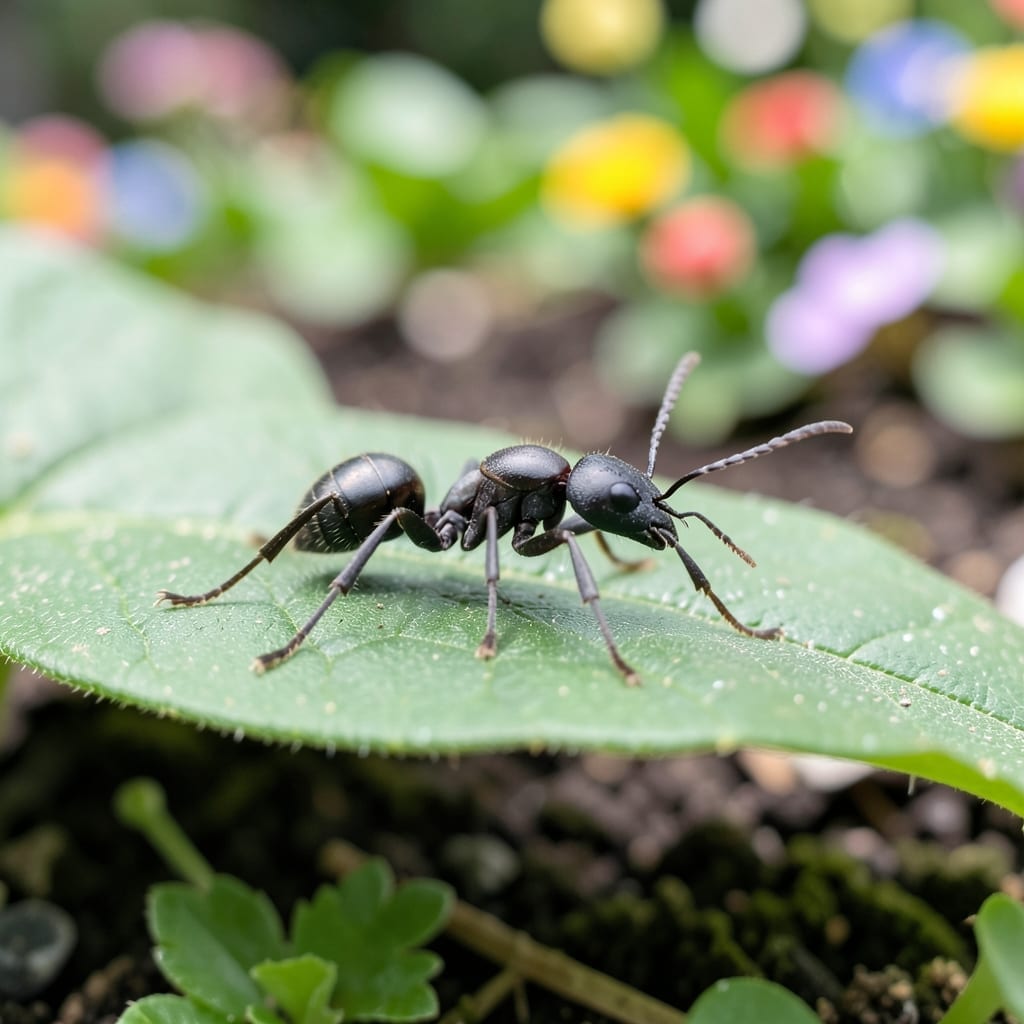
I spotted my first ant parade marching through the petunias last spring. Tiny workers carrying crumbs of soil like it was treasure—except this treasure was destroying my flower roots and attracting aphids by the dozen.
Here’s the thing—ants don’t eat your plants, but they protect pests that do. That symbiotic relationship turns a minor annoyance into a full-blown garden crisis. My vibrant blooms started looking sad within 2 weeks of the infestation.
Natural solutions work better than chemicals here. A simple vinegar spray or diatomaceous earth barrier sends them packing without harming your flowers or the bees that pollinate them. I’ve tried both with spot-on results.
Prevention is simpler than you think: keep the area clean, fix moisture issues, and they won’t return. My flower beds have stayed ant-free for 3 seasons running with these tricks.
Ants are drawn to flower beds for several specific reasons, often tied to their natural behaviors and environmental conditions. Understanding these causes can help you address the issue effectively.
Many flowering plants produce nectar, a sugary liquid that attracts ants as a food source. Additionally, ants often farm aphids, mealybugs, and other sap-sucking insects on plants to harvest their honeydew—a sticky, sugar-rich secretion. This symbiotic relationship drives ants to protect and nurture these pests, leading to their presence in your flower bed.
Flower beds provide an ideal habitat for ants due to the loose, well-aerated soil and abundant organic matter. Ants seek out these environments to build nests and raise their colonies. Mulch, decaying leaves, and other organic debris offer additional shelter and moisture retention, making the area even more appealing.
Ants require consistent moisture to survive, and flower beds are often watered regularly. Overwatering or poor drainage can create damp conditions that attract ants looking for hydration. Additionally, moist soil is easier for them to tunnel through, making it a prime location for nesting.
If your flower bed contains organic waste like fallen petals, dead insects, or leftover garden debris, ants will be drawn to it as a food source. Even small amounts of decaying plant material can provide sustenance for a colony, encouraging them to stay and expand.
Dealing with ants in your flower bed doesn’t have to mean harsh chemicals. Here’s how to tackle the issue naturally and keep your blooms thriving.
Ants are drawn to sweet or sticky substances, like aphid honeydew or fallen fruit. Rinse plants with water to remove aphids and wipe down leaves. Clear away overripe fruit, pet food, or sugary spills near the bed.
Create a barrier ants won’t cross. Sprinkle diatomaceous earth, cinnamon, or chalk around the flower bed’s perimeter. These natural repellents disrupt their scent trails without harming plants. Reapply after rain.
Plant ant-deterring herbs like mint, lavender, or marigolds near your flowers. Their strong scents repel ants while adding beauty. Alternatively, spray a mix of vinegar and water (1:1) on ant trails—just avoid direct contact with plants.
With these simple steps, your flower bed can stay ant-free and flourishing!
No, ants don’t eat plants, but they protect pests like aphids that damage them. These pests suck sap from stems and leaves, weakening your blooms over 2-3 weeks. Eliminate the pests, and the ants will leave too.
Yes, but avoid direct contact. A 1:1 vinegar-water mix sprayed on ant trails disrupts their scent. Use a shield or spray carefully to prevent soil acidification, which can harm roots.
Reapply after rain or watering, as it loses effectiveness when wet. A thin layer around the bed creates a barrier that lasts 1-2 weeks in dry conditions.