
Beautiful Plants For Your Interior
Beautiful Plants For Your Interior
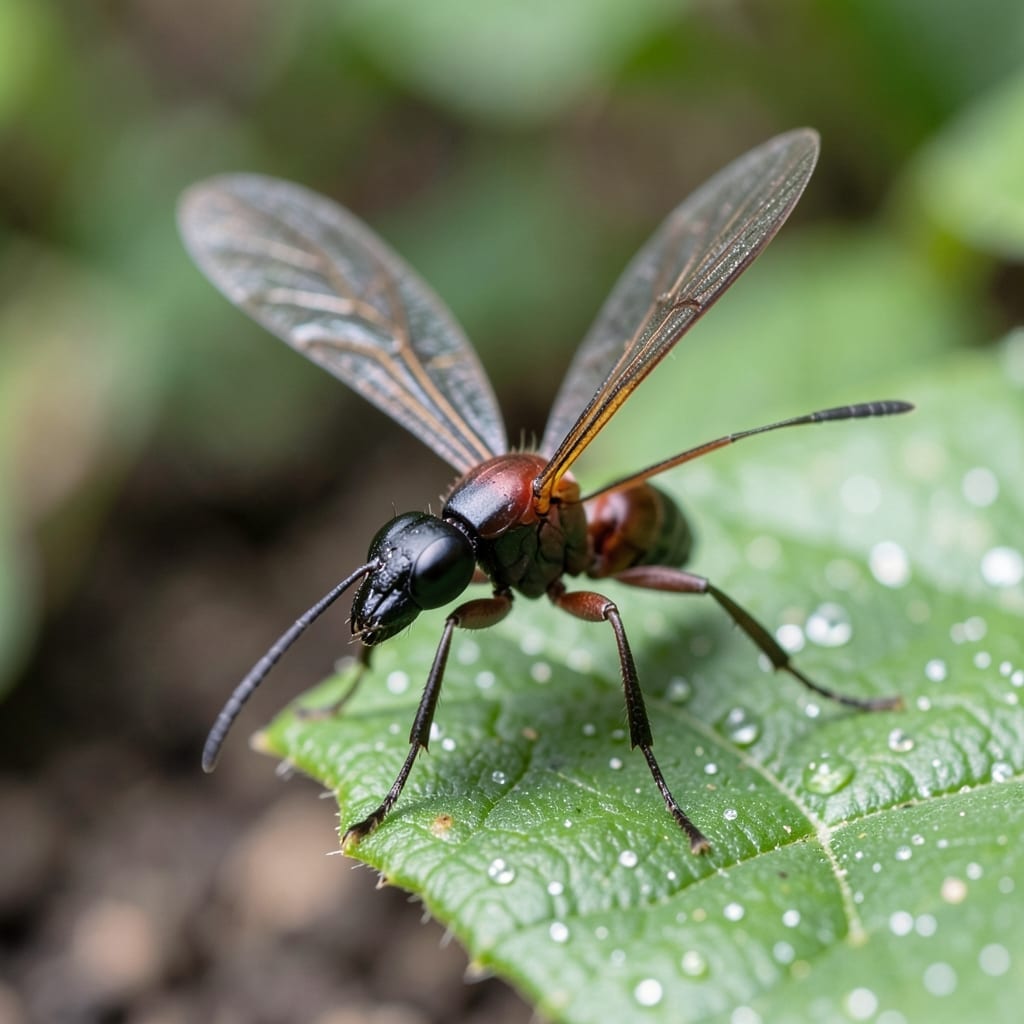
Spotted winged ants in your garden? Don’t panic—these are just reproductive ants on their mating flight. I’ve dealt with my fair share, and they’re more annoying than harmful to most plants.
The key is knowing what you’re seeing. Winged ants have elbowed antennae and two sets of wings, with the front pair longer. They appear in spring or summer, usually after rain, and swarm briefly before shedding their wings.
These flyers won’t eat your plants, but they can protect pests like aphids for their honeydew. Left unchecked, that’s when your garden starts suffering. The good news? Organic control works.
With a few simple steps, you can manage them without chemicals. Here’s how to keep your garden thriving and ant-free.
Winged ants, often mistaken for termites, appear for specific biological and environmental reasons. Here’s why you might spot these flying insects in your garden or home:
Most ant species develop wings during their reproductive phase. Winged ants, or alates, emerge in large numbers during nuptial flights—typically in warm, humid weather. This synchronized event allows them to mate mid-air, ensuring genetic diversity. After mating, females shed their wings to start new colonies, while males often die shortly after.
When an ant colony matures and resources become abundant, it produces winged individuals to establish new nests. This is nature’s way of preventing overcrowding and competition. If you see winged ants indoors, it may signal an existing infestation preparing to spread.
Sometimes, disturbances like heavy rainfall, extreme temperatures, or habitat destruction can trigger premature winged ant emergence. These ants may take flight earlier than usual to escape unfavorable conditions, leading to unexpected sightings in or around your plants.
Understanding these causes helps you address the root of the issue—whether it’s seasonal behavior or a sign of a larger infestation.
Dealing with winged ants in your garden or home can be frustrating, but these targeted solutions will help you reclaim your space naturally. Below are practical fixes for common causes, along with prevention tips to keep them from returning.
Winged ants thrive in damp environments. Check for leaky hoses, clogged gutters, or waterlogged soil. Fix: Drain standing water and repair leaks. Use dehumidifiers indoors if needed. Prevention: Ensure proper drainage around plants and foundations.
Exposed food, pet bowls, or crumbs attract winged ants. Fix: Store food in airtight containers, clean spills immediately, and take out trash regularly. Prevention: Wipe down counters and sweep floors daily to remove residue.
Piles of wood, mulch, or decaying leaves provide ideal nesting spots. Fix: Clear debris from your yard and store firewood at least 20 feet from your home. Prevention: Trim overgrown vegetation and keep garden beds tidy.
Winged ants enter through cracks in walls, windows, or doors. Fix: Seal gaps with caulk or weatherstripping. Install fine mesh screens on vents and windows. Prevention: Inspect your home’s exterior annually for new entry points.
Pro Tip 💡: Use diatomaceous earth or vinegar sprays as organic deterrents. Apply along entry points and nesting areas for added protection.
No, they don’t directly harm plants. However, they may protect aphids or mealybugs for their honeydew, which can indirectly damage your garden. Focus on controlling these pests first.
Winged ants have elbowed antennae, a narrow waist, and two sets of wings with the front pair longer. Termites have straight antennae, a thick waist, and equal-length wings.
Spritz a mix of equal parts water and vinegar near entry points or nesting areas. Diatomaceous earth also works as a non-toxic barrier. Apply in the early morning for best results.
Warm, humid conditions after rainfall trigger mating flights. This is their natural reproductive cycle and typically lasts only a few hours. They’ll shed wings once mating is complete.