
Beautiful Plants For Your Interior
Beautiful Plants For Your Interior
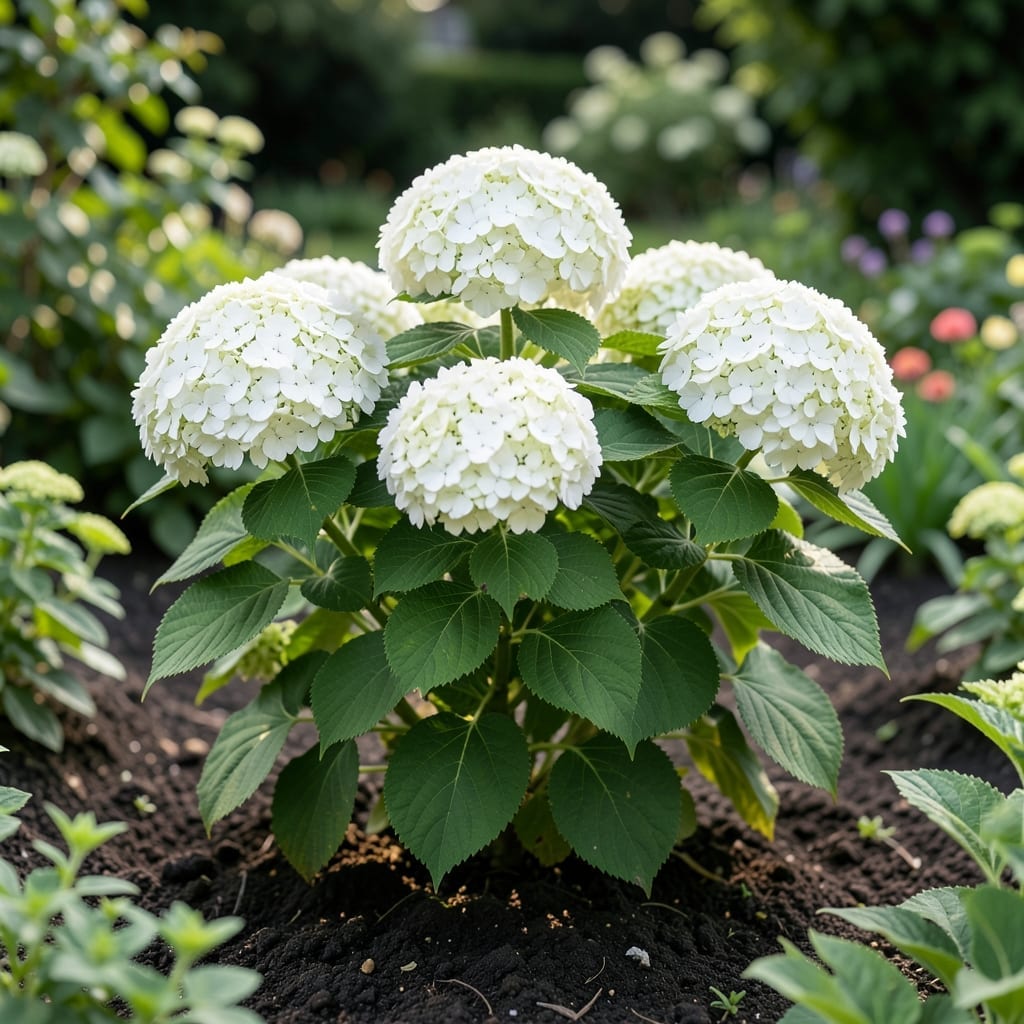
Annabelle hydrangeas light up summer gardens with their stunning white blooms, but their winter care is what sets the stage for next year’s success. The 🌸 Annabelle Hydrangea thrives in zones 3-9, but even these hardy shrubs need proper preparation for the cold months ahead.
I’ve seen too many gardeners lose potential blooms because they overlooked winter protection and pruning. The difference between a lackluster spring and a spectacular one often comes down to what you do when temperatures drop.
Let me walk you through the most important steps to safeguard your Annabelle Hydrangea. From timing your pruning to implementing protective measures, these are the strategies that ensure vibrant growth when warmer weather returns.
By the end, you’ll learn how to give your shrubs the winter care they need for those show-stopping summer flowers we all love.
I love how Annabelle hydrangeas reward us with big white blooms every summer, but their winter pruning is key. Since they bloom on new wood, timing is everything to protect those future flowers.
Pruning too early in winter can expose the plant to cold damage, while waiting until late winter or early spring ensures you don’t accidentally remove potential blooms.
I always start by removing dead or weak stems first, as they won’t contribute to next year’s blooms. This also helps me see the plant’s structure better before making more cuts.
The best time to prune is when the plant is still fully dormant, usually in February or March depending on your USDA zone. In colder areas like Zone 3-4, wait until the worst frosts have passed.
For the actual cutting, I aim to remove about one-third of the oldest stems each year. This rejuvenates the plant and encourages stronger new growth with bigger blooms.
Remember that Annabelle hydrangeas are forgiving, so don’t stress about making perfect cuts. The most important thing is to avoid pruning after new growth appears in spring.
After pruning, I like to apply a layer of mulch around the base to protect the roots from any remaining winter cold. This also helps retain moisture as the plant starts its spring growth.
One pro tip I’ve learned: if your hydrangea is young or struggling, go lighter on the pruning. Focus on shaping rather than heavy cutting until the plant is well-established.
With proper winter pruning, your Annabelle hydrangea will come back stronger each year, producing those gorgeous white blossoms we all love so much. ☀️
Winter can be tough on Annabelle hydrangeas, but with the right protection, your shrubs will thrive come spring. These hardy plants in zones 3-9 still need shielding from frost, wind, and temperature swings. Proper care now means better blooms later.
I always focus on mulching and wrapping as the first line of defense. A thick layer of organic mulch insulates roots, while burlap or frost cloth guards against harsh winds and freezing temperatures.
Freeze-thaw cycles are a major threat. They can heave roots out of the soil, damaging your Annabelle hydrangea. A thick mulch layer helps maintain consistent soil temperature and prevents this problem.
For extra protection, I recommend burlap wraps or frost cloth. These materials shield the plant from cold winds while still allowing airflow. Avoid plastic, as it can trap moisture and lead to disease.
Don’t forget about hydration. Even in winter, your hydrangea needs water. Give it a deep watering before the ground freezes to ensure the roots stay hydrated throughout the cold months.
Finally, consider the location. If your Annabelle hydrangea is in an exposed area, think about relocating it or adding a windbreak. This simple step can make a big difference in its winter survival. ✂️