
Beautiful Plants For Your Interior
Beautiful Plants For Your Interior
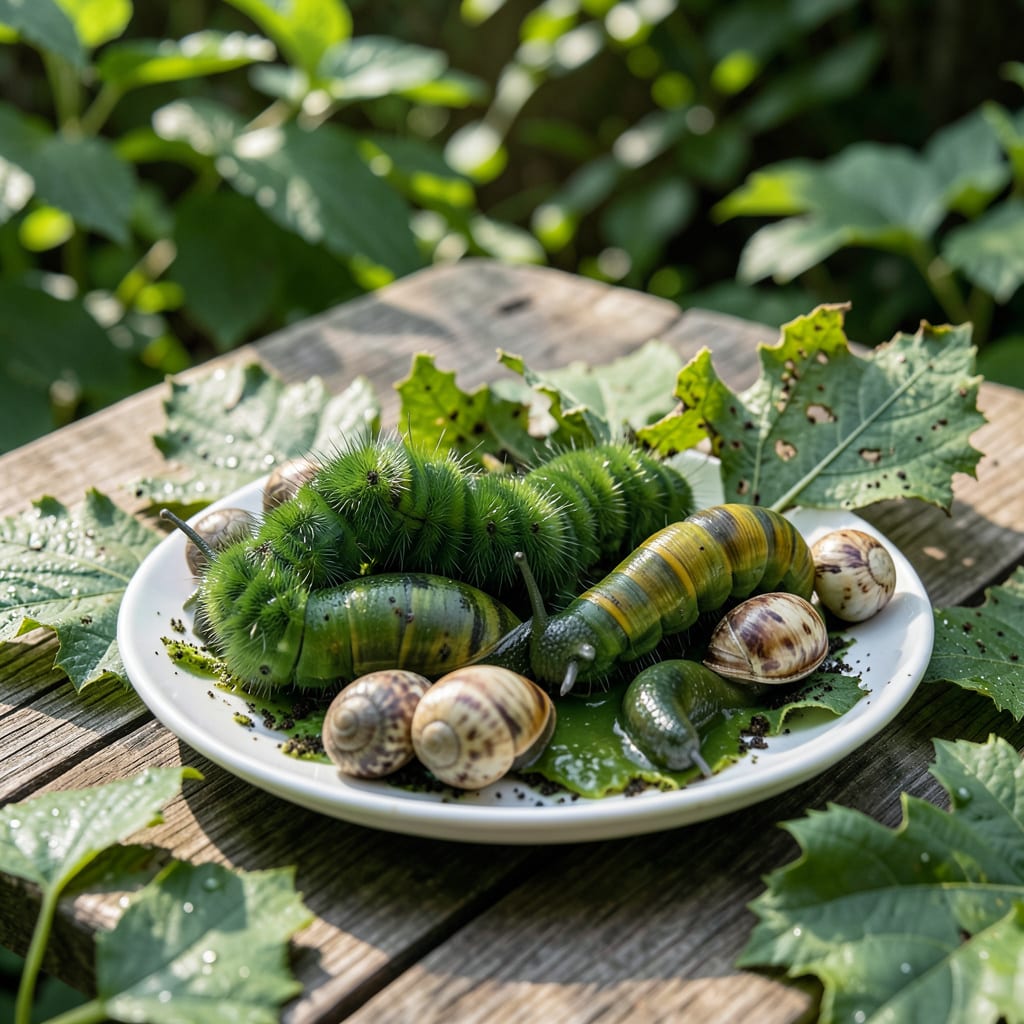
Leaf-munching pests can turn a thriving garden into a skeleton overnight. I’ve lost entire crops to these hungry visitors before learning how to spot them early.
Natural solutions work best—handpicking, neem oil, or companion planting can protect your plants without harsh chemicals. The key is acting fast before they multiply.
📚 In This Guide
These proven methods help protect your plants while keeping your garden ecosystem balanced and chemical-free.
Begin by inspecting your plants at dawn or dusk when many leaf-eating pests are most active. Look for chewed edges, skeletonized leaves, or small holes in the foliage. Caterpillars often leave dark green frass (insect waste) on leaves, while slugs and snails create irregular, ragged bites and leave a slime trail.
Check the undersides of leaves for clusters of aphids or the silvery trails of leafminers. Japanese beetles leave lace-like patterns as they consume tissue between the veins. Accurate identification ensures you target the right pest with the most effective natural remedy.
Protect vulnerable plants with floating row covers made of lightweight fabric, which prevent adults from laying eggs while allowing light and water through. Secure the edges with soil or bricks to stop pests from crawling underneath. For smaller plants, collars made from cardboard or copper tape create a barrier slugs and snails won’t cross.
Handpick larger pests like tomato hornworms or cabbage loopers early in the morning when they’re sluggish. Drop them into a bucket of soapy water to dispatch them humanely. This method works best for visible, slow-moving insects and is most effective when done daily.
Apply neem oil or insecticidal soap in the early morning or late evening to avoid harming beneficial insects like bees. These treatments disrupt the life cycles of soft-bodied pests such as aphids and whiteflies. Always follow label instructions for mixing ratios and reapplication intervals.
Set up beer traps for slugs and snails by burying shallow containers filled with beer at soil level. The pests are attracted to the yeast, fall in, and drown. Replace the beer every 2-3 days for maximum effectiveness. For Japanese beetles, place yellow sticky traps at least 30 feet away from your garden to avoid luring more beetles in.
Attract beneficial insects by planting a diversity of flowers, especially small, flat blooms like yarrow, dill, and marigolds. Ladybugs, lacewings, and parasitic wasps feed on aphids, caterpillars, and other leaf-eating pests. Avoid broad-spectrum pesticides, which kill these helpful allies along with the pests.
Install birdhouses and baths to invite insect-eating birds like chickadees, wrens, and robins into your garden. A single pair of chickadees can consume thousands of caterpillars in a season. To further support them, leave some leaf litter and brush piles to provide shelter for ground-dwelling predators like toads and ground beetles.
Keep your garden clean by removing plant debris and fallen leaves, which can harbor pest eggs and larvae. Rotate crops annually to disrupt the life cycles of soil-borne pests. Healthy, well-nourished plants are better able to resist and recover from pest damage, so ensure your soil is rich in organic matter.
Monitor your plants regularly, especially after rain or warm spells when pest populations can explode. Act quickly at the first sign of damage to prevent infestations from spreading. Consistent vigilance and a combination of these methods will keep leaf-feeding pests in check without harming your garden’s natural balance.
Small adjustments to your approach can significantly improve your pest management results.
Timing Matters: Inspect plants at dawn or dusk when leaf-eating pests are most active, as mentioned in Step 1. This is when you’ll spot the most accurate signs of infestation, like caterpillar frass or slug slime trails. Morning is also ideal for handpicking sluggish pests in Step 2.
Barrier Effectiveness: When implementing physical barriers in Step 2, ensure floating row covers are securely anchored with soil or bricks. I learned the hard way that even a small gap can allow pests to crawl underneath, defeating the purpose entirely.
Trap Placement: For Step 3’s beer traps, the 2-3 day replacement schedule is crucial. Stale beer loses its effectiveness quickly. Also, when placing yellow sticky traps for Japanese beetles, that 30-foot distance from your garden isn’t arbitrary—it prevents attracting more beetles than you started with.
Predator Support: In Step 4, the combination of small, flat blooms and water sources creates an ideal habitat for beneficial insects. Don’t underestimate the value of leaving some leaf litter—it provides essential shelter for ground predators that work overnight to control pest populations.
Common leaf-eaters include caterpillars, deer, rabbits, and slugs. Each targets different plants, so identify the culprit by checking leaf damage patterns—ragged edges (deer), holes (slugs), or chewed leaves (caterpillars).
Use physical barriers like fences (for deer) or row covers (for insects). Natural repellents, such as garlic spray or diatomaceous earth, can deter pests without chemicals.
Yes! Some, like ladybug larvae, eat pest insects that damage leaves. Earthworms also consume decaying leaves, enriching soil. Encourage these helpers by avoiding pesticides.
Look for missing leaves, holes, or skeletonized foliage. Deer often leave torn edges, while slugs leave silvery slime trails. Inspect plants at dawn or dusk for active pests.
Absolutely! Try soapy water for soft-bodied pests or a mix of hot pepper and water to deter mammals. Always test sprays on a small area first to avoid plant damage.
