
Beautiful Plants For Your Interior
Beautiful Plants For Your Interior
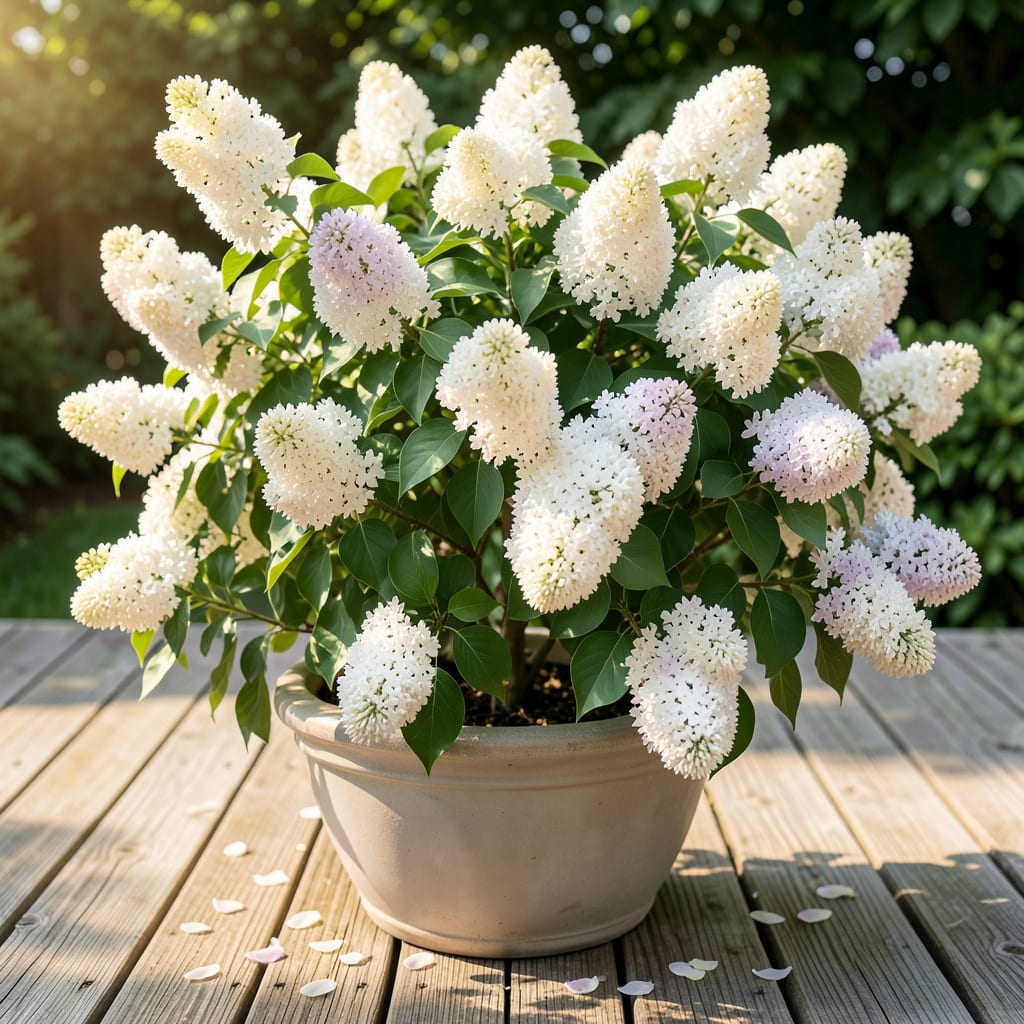
Angel white lilac trees bring shockingly fragrant spring blooms that stop neighbors in their tracks. I planted mine three years ago, and the difference it made to my yard was immediate.
This tree thrives in full sun with well-draining soil, and the white flower clusters appear every April without fail. You’ll get reliable color, intoxicating scent, and pollinators that can’t stay away.
📚 In This Guide
Here’s the method I use to ensure robust growth and abundant fragrant blooms every spring.
Choose a spot with full sun exposure—at least 6-8 hours of direct sunlight daily. Lilacs thrive in well-draining soil with a pH between 6.5 and 7.5. Avoid low-lying areas where water pools, as this can rot the roots.
Test your soil by digging a 12-inch deep hole and filling it with water. If it drains within 2-3 hours, the location is suitable. If not, amend the soil with compost or choose a different site with better drainage.
Dig a hole that is 2-3 times wider than the root ball and just as deep. This gives the roots room to spread and establish quickly. Remove any grass, weeds, or debris from the area to reduce competition for nutrients.
Loosen the soil at the sides of the hole with a garden fork to help the roots penetrate the surrounding earth. If the soil is heavy clay, mix in a few inches of organic matter like compost or peat moss to improve its structure.
Gently remove the tree from its container and loosen any circling roots with your fingers. Place the root ball in the hole so the top sits 1-2 inches above the surrounding soil level to prevent water from pooling at the base.
Backfill the hole with the original soil, firming it gently as you go to eliminate air pockets. Water thoroughly with 1-2 gallons of water to settle the soil around the roots. This ensures good root-to-soil contact, which is critical for early establishment.
Apply a 2-3 inch layer of organic mulch, such as wood chips or shredded bark, around the base of the tree. Keep the mulch 3-4 inches away from the trunk to prevent rot and rodent damage.
Water deeply once a week for the first few months, then reduce to every 10-14 days once established. Check soil moisture by sticking your finger 2 inches deep—if it feels dry, it’s time to water. Lilacs are drought-tolerant but bloom best with consistent moisture.
Prune immediately after flowering to avoid cutting off next year’s blooms. Remove any dead, diseased, or crossing branches first. Then, shape the tree by trimming back one-third of the oldest stems to encourage new growth.
Use clean, sharp pruners and make cuts at a 45-degree angle just above a leaf node. This promotes healing and reduces the risk of disease. Always sterilize your tools between cuts if you’re removing diseased wood.
Here’s what I’ve learned from planting lilacs to help you avoid the most common pitfalls.
Sunlight and Soil: The 6-8 hours of full sun daily isn’t just a suggestion—it’s critical for abundant blooms. If your chosen spot gets afternoon shade, prioritize morning sun, which is less intense. For soil, if your drainage test shows water lingering beyond the 2-3 hour mark, mix in compost or sand to improve it rather than settling for a subpar location.
Planting Depth: Placing the root ball 1-2 inches above the surrounding soil level might feel counterintuitive, but it prevents water from pooling at the base. I’ve seen too many lilacs suffer from root rot because they were planted too deep. Trust the process—this slight elevation ensures proper drainage.
Watering Wisdom: The first few months are crucial for establishment, so stick to the once-a-week deep watering schedule. When you check soil moisture 2 inches deep, remember that dryness at the surface doesn’t always mean the roots need water. Lilacs are resilient, but consistent moisture during this period sets them up for long-term success.
Pruning Precision: Pruning immediately after flowering is non-negotiable if you want blooms the following year. Trimming back one-third of the oldest stems might seem aggressive, but it rejuvenates the plant and encourages vigorous new growth. Always sterilize your pruners between cuts—this simple step prevents the spread of disease.
This compact variety typically reaches 15-20 feet tall and 10-15 feet wide, making it perfect for small gardens or as a focal point. Its manageable size allows for easy maintenance and pruning.
Expect fragrant white blooms in mid to late spring, usually around April or May. The flowers last for about 2-3 weeks, filling your garden with a sweet, heady scent.
Plant it in full sun to partial shade and well-draining, slightly alkaline soil. It thrives in USDA zones 3-7 and prefers moderate watering once established.
Water regularly for the first year, then reduce to weekly deep watering. Prune right after blooming to shape the tree and remove dead wood. Fertilize in early spring with a balanced fertilizer.
Yes! Consider the Sensation Lilac for purple and white blooms or the Miss Kim Lilac for a smaller, fragrant option. Both are equally beautiful and low-maintenance.
