
Beautiful Plants For Your Interior
Beautiful Plants For Your Interior
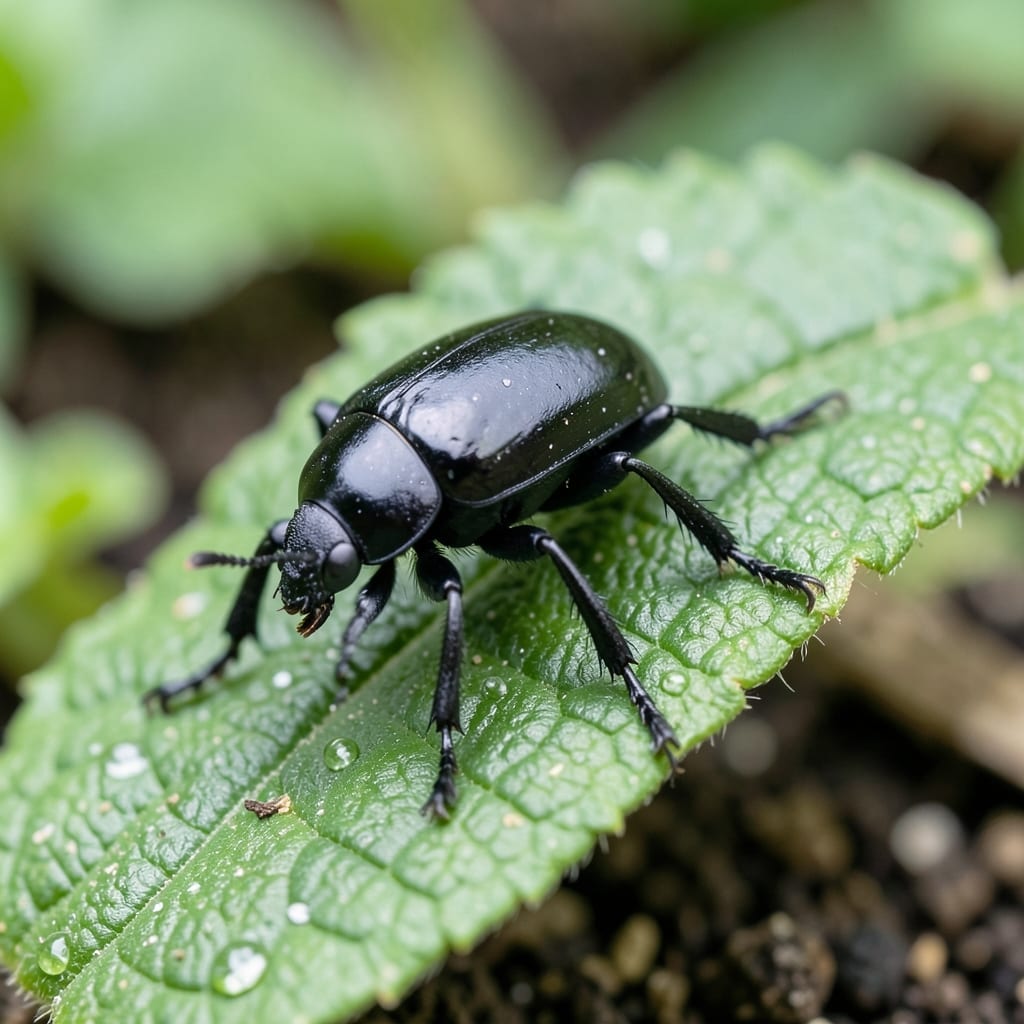
Not all black insects are villains in your garden. 🌱 I’ve seen beneficial ones like ground beetles devouring pests while others, like aphids, wreak havoc on my tomatoes.
Identifying the difference is key—shiny black beetles often help, while soft-bodied ones usually don’t. The trick is observing their behavior and the damage they leave behind.
Organic solutions like neem oil or introducing ladybugs can restore balance without chemicals. Prevention starts with healthy soil and regular plant inspections.
With a little attention, you’ll spot trouble early and keep your garden thriving all season long.
The all-black coloration in insects isn’t random—it’s often a survival strategy rooted in biology and evolution. Here’s why these tiny creatures sport their dark exteriors:
Many black insects produce high levels of melanin, the same pigment that darkens human skin. This pigment absorbs UV radiation, shielding their delicate exoskeletons from sun damage. In open habitats, like fields or deserts, this adaptation helps them withstand harsh sunlight without drying out.
Black coloration can serve as crypsis (natural camouflage), especially in shadows or at night. Predators like birds or spiders may overlook black insects blending into dark soil, tree bark, or leaf litter. Some species, like the black ground beetle, use this to ambush prey undetected.
Dark surfaces absorb heat faster. In cooler climates, black insects can warm up quicker in sunlight, boosting their metabolism and activity levels. This is why you’ll often spot black ants or beetles basking on rocks or pavement in the morning.
Some black insects use their color as a warning. Brightly colored insects often signal toxicity, but deep black can also deter predators by associating with bad tastes or stings. For example, the black and red velvet ant (a wingless wasp) advertises its painful sting with its bold, dark hue.
Dealing with dark-colored garden pests doesn’t have to be a losing battle. Below are targeted fixes for common causes, plus prevention tips to keep your plants thriving. 🌱✨
Stagnant moisture attracts fungus gnats and other all-black insects. Fix it: Let the top inch of soil dry between waterings. Use pots with drainage holes or amend heavy soil with perlite or sand. For existing infestations, place a yellow sticky trap near the base of plants to catch adults.
Piles of leaves, mulch, or rotting wood are breeding grounds for beetles and weevils. Fix it: Clear garden debris weekly and compost it far from your plants. For stubborn pests, sprinkle diatomaceous earth (food-grade) around affected areas—it dehydrates insects on contact.
Prevention tip: 💡 Rotate crops annually to disrupt pest life cycles.
Natural enemies like ladybugs, lacewings, or parasitic wasps keep black insect populations in check. Fix it: Purchase them from garden centers or attract them by planting dill, fennel, or marigolds. Avoid broad-spectrum pesticides, which kill helpful insects too.
Black ants and earwigs sneak indoors or into raised beds through tiny gaps. Fix it: Caulk cracks in foundations, repair torn window screens, and apply copper tape around planters—its electric charge repels crawlers. For outdoor gardens, a barrier of crushed eggshells deters soft-bodied pests like slugs.
Prevention tip: ✨ Store firewood and compost bins at least 20 feet from your home or garden.
Not at all! Many, like ground beetles, are beneficial predators that eat pests. Only a few, such as aphids or black vine weevils, cause damage. Always identify first before taking action.
Look at their behavior. Beneficial ones, like ladybugs, move actively hunting pests. Harmful ones often cluster on leaves or stems, causing visible damage.
Start with neem oil or insecticidal soap, which target pests without harming beneficial insects. For severe cases, use diatomaceous earth in dry conditions.