
Beautiful Plants For Your Interior
Beautiful Plants For Your Interior
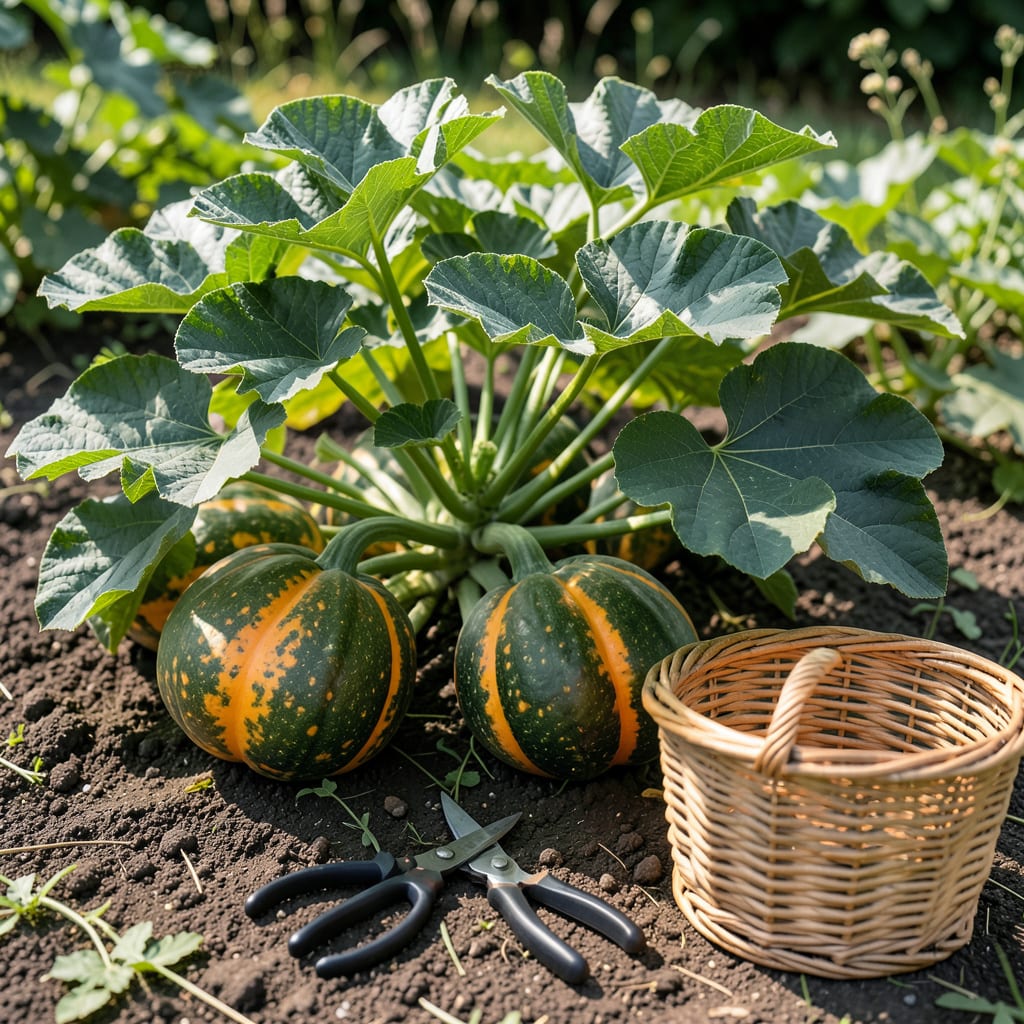
Nothing beats the satisfaction of plucking a perfectly ripe 🎃 Acorn Squash from your garden. The right timing transforms bland squash into sweet, flavorful treasures.
I’ll show you the field-tested signs to watch for, from color shifts to vine behavior. These simple clues ensure you harvest at peak ripeness every time.


Timing your acorn squash harvest perfectly ensures the sweetest flavor and longest storage. I watch for visual and tactile cues that signal peak ripeness, avoiding guesswork entirely.
The most reliable indicator is the rind hardness—when it resists puncture from a fingernail, it’s ready. This test prevents harvesting immature squash with poor flavor and texture.
| Sign | What to Look For |
|---|---|
| Rind Hardness | Cannot puncture with fingernail |
| Stem Condition | Dry, woody, and brown |
| Color | Deep green with orange patches |
| Vine Appearance | Withered and turning brown |
Another key sign is the stem condition. A dry, woody stem means the squash has stopped drawing nutrients. If the stem is still green and moist, the squash needs more time.
Color is equally telling. Mature acorn squash develops a deep green base with distinct orange patches. Pale or uneven color indicates it’s not ready for picking.
I also check the vines. When they start to wither and turn brown, the squash is nearing harvest time. This is nature’s way of saying the plant has completed its work.
The ground spot is often overlooked. A mature squash will have a creamy or orange patch where it rests on the soil. This is a clear sign of ripeness.
Harvest before the first frost to prevent damage. Acorn squash can handle light frost but prolonged exposure ruins the texture and storage potential.
Use a sharp knife to cut the squash from the vine, leaving 2-3 inches of stem. This prevents rot and extends storage life significantly.
After harvesting, cure the squash in a warm, dry place for 7-10 days. This hardens the skin further and enhances flavor for long-term storage.
Store in a cool, dark location with good airflow. Properly cured and stored acorn squash can last 2-3 months or more.
I’ve seen gardeners make critical errors that sabotage their acorn squash harvest. One of the worst is picking too early when the rind is still soft. This leads to poor flavor and short storage life.
Another mistake is ignoring the weather forecast. A sudden frost can ruin a nearly ripe squash if left unharvested. Always check for cold snaps and act fast.
Picking immature squash with soft rinds ruins flavor and storage.
Cutting with a dull tool can damage the stem and invite rot.
Ignoring frost warnings risks losing your entire crop overnight.
Using a dull knife or shears to cut the squash often damages the stem. This creates entry points for disease and shortens storage life significantly.
Many gardeners misjudge rind hardness by relying on color alone. A deep green hue isn’t enough—the fingernail test is non-negotiable for true ripeness.
Overlooking the ground spot is another pitfall. If it’s still white or pale, the squash isn’t ready, even if other signs suggest otherwise.
Finally, harvesting without leaving 2-3 inches of stem can lead to rot. The stem acts as a protective barrier, so keep it intact during and after picking.
Store harvested squash in a cool, dry place with airflow. Avoid stacking them, as this can cause bruising and spoilage.
Harvest timing for acorn squash varies by growing zone and seasonal conditions. In warmer zones, you may harvest earlier, while cooler climates require patience for full maturity.
Most varieties reach maturity in 80-100 days after planting. I always track the planting date to estimate the harvest window accurately.
In cooler climates, I watch for early frost warnings. Acorn squash tolerates light frost, but prolonged exposure damages the fruit. Harvest immediately if frost is forecasted.
For warmer regions, the challenge is often heat stress. If temperatures soar above 90°F, the squash may mature faster but can suffer from poor texture.
I adjust my harvest timeline based on vine health. If vines die back early due to disease or drought, I check squash ripeness immediately, even if it’s ahead of schedule.
Always prioritize visual cues over calendar dates. A squash showing deep color and hard rind is ready, regardless of the projected timeline.
In my garden, I’ve found that consistent watering and full sun help squash reach maturity on schedule. Irregular care can delay or accelerate the harvest window.
Check for a hard rind that resists fingernail puncture and a dry, woody stem. The color should be deep green with orange patches, and vines will start to wither.
Early harvest leads to bland flavor and poor storage. The rind stays soft, and the flesh lacks sweetness. Always wait for the hard rind test to pass.
No, harvest immediately before frost. Light frost is tolerable, but prolonged exposure ruins texture and storage potential. Act fast when cold weather approaches.
Most varieties need 80-100 days from planting. Track your planting date, but always prioritize visual cues like color and rind hardness over calendar days.
