
Beautiful Plants For Your Interior
Beautiful Plants For Your Interior
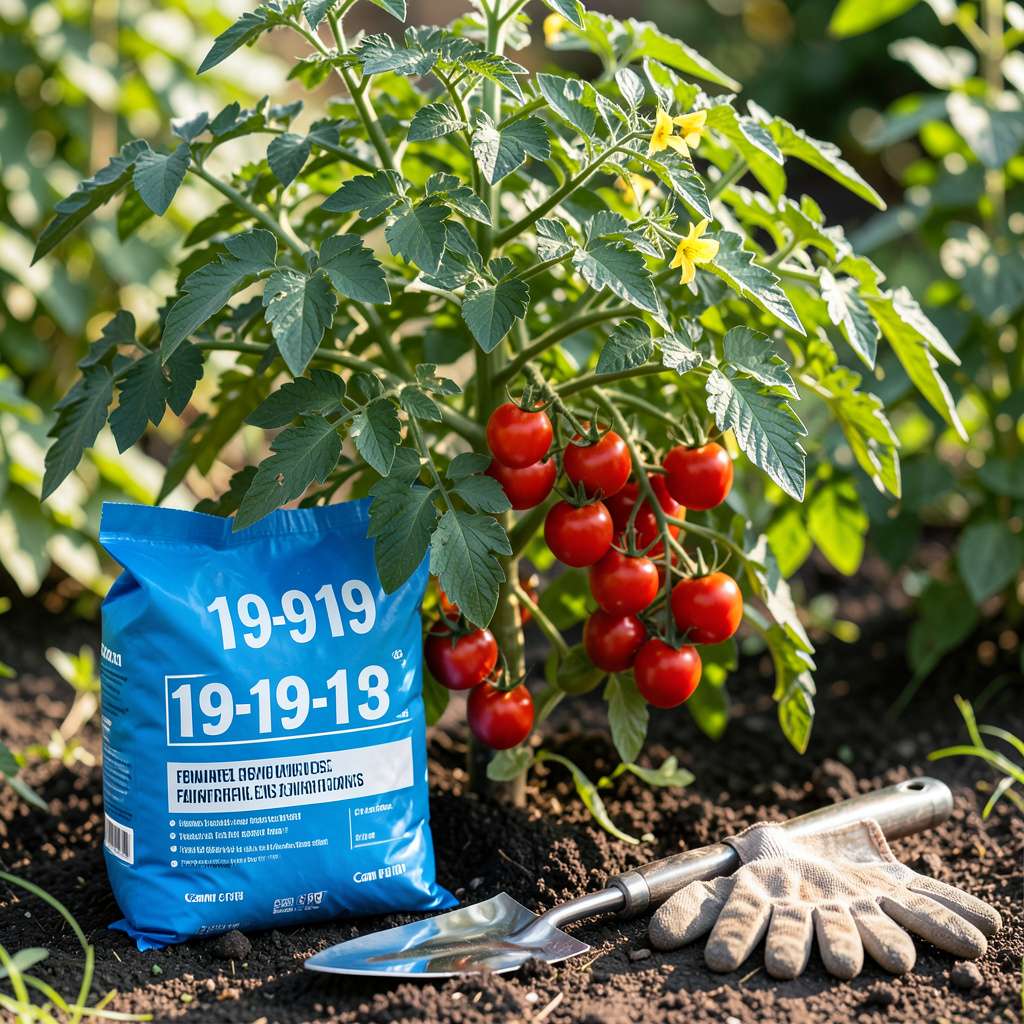
19-19-19 fertilizer is a balanced NPK (nitrogen, phosphorus, potassium) blend ideal for general plant growth. Apply during active growing seasons, adjusting amounts based on plant type and soil conditions.
This specific blend provides essential nutrients that play distinct roles in plant health. 🌱 Nitrogen promotes lush foliage, phosphorus aids in root development, and potassium enhances overall vigor. Understanding how these elements work together can significantly boost your garden’s productivity, whether you’re growing vegetables or ornamental plants.
It’s crucial to tailor your application technique based on your plants’ needs and environmental factors. For example, I often use top dressing for perennials while opting for a diluted foliar spray on delicate seedlings. Avoiding common pitfalls like over-fertilization ensures that your plants thrive without the risk of nutrient burn. 🌼
💡 In This Article
The effectiveness of a balanced NPK fertilizer like this one lies in its equal distribution of essential nutrients. Each nutrient plays a crucial role: nitrogen (N) is vital for promoting lush green foliage, phosphorus (P) supports strong root development, and potassium (K) enhances overall plant health and resilience. 🌿
Understanding how these elements interact is key for optimal plant growth. For instance, during the early growth stages, nitrogen is particularly important for leafy vegetables like lettuce or spinach. In contrast, phosphorus becomes crucial when plants begin to flower or set fruit, aiding in the establishment of a robust root system. 🌼
Different types of plants benefit from this fertilizer at various stages. Flowering plants like marigolds thrive on a balanced application during their blooming phase, while vegetable crops like tomatoes require it more intensely during their fruiting period. This versatility makes it an excellent choice for diverse gardening situations. 🍅
Timing also matters; applying this fertilizer during the active growing season maximizes nutrient uptake. A practical approach is to apply it in early spring when new growth begins and again mid-season to support ongoing development. This strategy can lead to a noticeable increase in yield and vitality. 🌞
However, it’s essential to monitor Soil Health and Plant Growth”>soil health and plant responses. Over-fertilization can lead to nutrient burn, where leaves turn yellow or brown due to excess salts in the soil. To avoid this, consider conducting a soil test to determine existing nutrient levels before application. 🔍
In summary, using a balanced fertilizer like this one not only simplifies feeding routines but also promotes healthy growth patterns across various plant types. By tailoring your approach based on the specific needs of each plant, you can create a thriving garden environment. 🌳
