
Beautiful Plants For Your Interior
Beautiful Plants For Your Interior
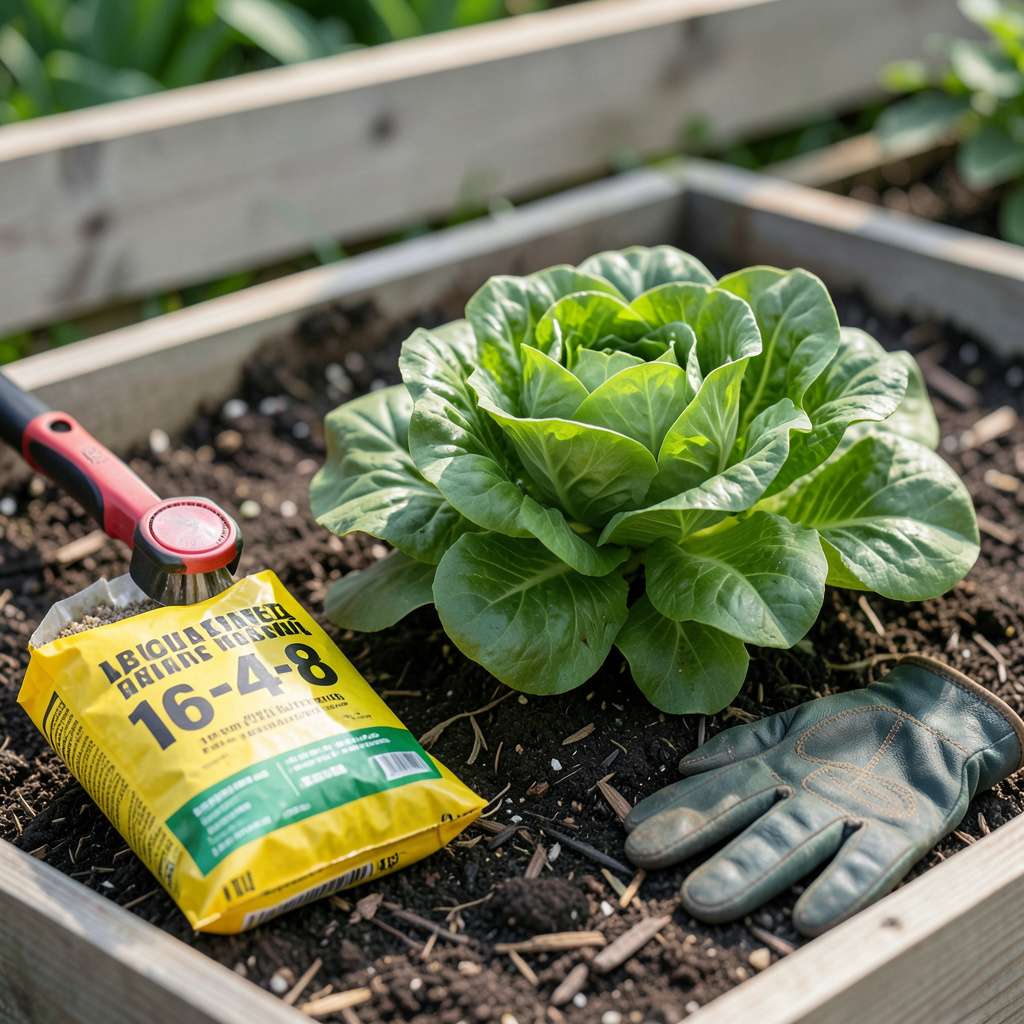
16-4-8 fertilizer provides 16% nitrogen, 4% phosphorus, and 8% potassium, supporting plant growth, root development, and disease resistance in a balanced ratio ideal for most garden plants.
This specific formulation is designed to cater to various plant requirements, ensuring robust growth and health. 🌱 Nitrogen encourages leafy growth, phosphorus promotes root strength and flowering, while potassium aids in overall plant resilience. I often find this blend particularly effective for both vegetables and ornamental plants, making it a versatile choice for any gardener.
When applying, it’s essential to follow the recommended rates to avoid nutrient overload, which can harm plants instead of helping them. Additionally, understanding the timing and method of application can significantly enhance your gardening success. 🌿
💡 In This Article
The balanced formulation of 16-4-8 fertilizer provides essential nutrients that are vital for plant health. The 16% nitrogen content supports vigorous leaf and stem growth, which is crucial for photosynthesis. This nutrient plays a key role in creating chlorophyll, giving plants their green color and energy. 🌱
Next, the 4% phosphorus promotes strong root development and flowering. Phosphorus is essential for energy transfer and storage within the plant, aiding in the growth of roots, flowers, and seeds. This nutrient is particularly beneficial during the flowering stage, as it encourages abundant blooms and fruiting. 🌼
Finally, the 8% potassium enhances overall plant resilience and disease resistance. Potassium aids in water regulation and nutrient transport, ensuring plants can withstand environmental stresses like drought or disease. This nutrient helps maintain healthy cell function and contributes to the production of essential oils and sugars, which improve flavor in fruits and vegetables. 🍅
This specific ratio is optimal for general gardening as it addresses multiple needs in one application. For example, when I use this blend on my vegetable garden, I see lush foliage and a robust root system that supports higher yields. It’s particularly effective for a variety of plants, including tomatoes, peppers, and ornamental flowers. 🌿
However, timing and method of application are also critical. It’s best to fertilize during the growing season when plants are actively absorbing nutrients. Typically, applying every 6-8 weeks during this period can maximize the benefits without overwhelming your plants. Always follow the recommended dilution rates for your specific garden setup. ⚡
It’s also important to monitor your plants closely after application. Over-fertilization can lead to nutrient burn or imbalances that harm plant health. Observing leaf color and growth patterns can provide insight into whether your plants are receiving adequate nutrition or if adjustments are necessary. 🌟
