
Beautiful Plants For Your Interior
Beautiful Plants For Your Interior
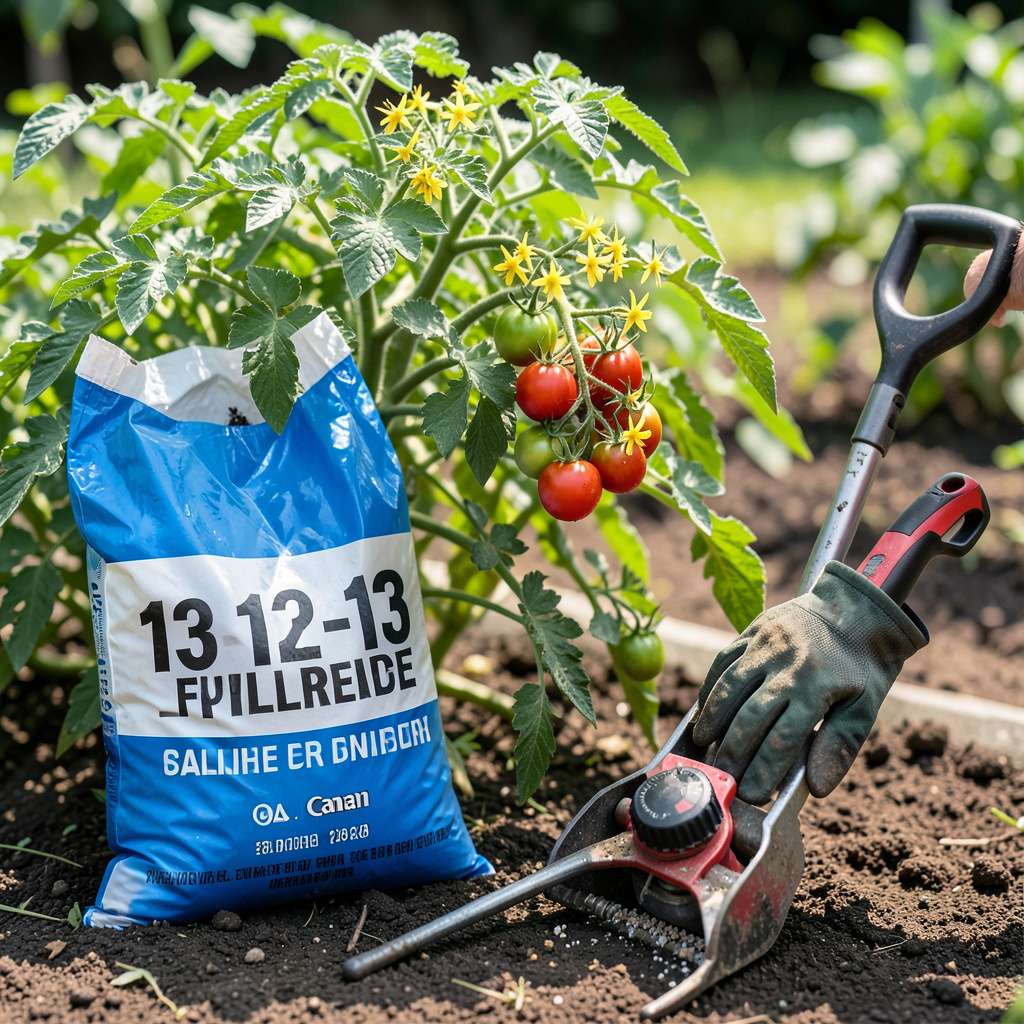
13-13-13 fertilizer is a balanced N-P-K blend containing equal parts nitrogen, phosphorus, and potassium. It promotes overall plant growth, root development, and flowering, making it ideal for general gardening and maintaining nutrient-deficient soils.
The equal ratios of nitrogen, phosphorus, and potassium in this fertilizer support various aspects of plant health. 🌱 Nitrogen encourages lush foliage, phosphorus is crucial for strong roots, and potassium enhances flowering and fruiting. This makes the blend especially beneficial for a range of plants, from vegetables to ornamental flowers. Proper application ensures that your plants receive the nutrients they need without the risk of over-fertilization.
Additionally, understanding how to apply this fertilizer effectively can enhance your gardening success. 🌼 For instance, incorporating it into the soil before planting or using a foliar spray during the growing season can maximize its benefits. Always monitor your plants for signs of nutrient deficiencies or excesses to adjust your fertilization routine accordingly.
💡 In This Article
The balanced ratio of nitrogen, phosphorus, and potassium in this fertilizer plays a vital Role in Plant Health and Growth”>role in plant health. Nitrogen promotes vigorous leaf growth, phosphorus supports strong root systems, and potassium is essential for flowering and fruiting. This combination addresses various plant needs comprehensively. 🌱
For example, nitrogen contributes to the lush green foliage that many gardeners desire, enhancing the plant’s ability to photosynthesize effectively. In contrast, phosphorus, with its role in energy transfer and root development, ensures plants establish themselves firmly in the soil. Potassium helps regulate processes like water uptake and enzyme activation, crucial during flowering stages. 🌼
This 13-13-13 blend is particularly effective for flowering plants and vegetable gardens because it provides equal nourishment throughout the growing cycle. If you’re cultivating tomatoes, for instance, this fertilizer helps the plants develop robust foliage while also ensuring they produce ample blooms that can develop into fruit.
The balanced approach minimizes nutrient deficiencies that can stunt growth or lead to poor yields. 🍅
Moreover, the timing of application can significantly influence plant health. For optimal results, applying this fertilizer during the early growth stages or just before planting can set a solid foundation. Incorporating it into the soil allows for gradual nutrient release, maximizing absorption by roots.
Additionally, using a foliar spray during peak growing seasons can provide an immediate nutrient boost when plants need it most. 🌟
However, it’s essential to monitor your plants for signs of over-fertilization, such as leaf burn or stunted growth. Adjusting your application rates based on soil type and plant requirements is crucial for maintaining balance.
For instance, sandy soils may require more frequent applications due to faster nutrient leaching compared to clay soils, which retain nutrients longer. 🔍
In conclusion, understanding the composition and application techniques of 13-13-13 fertilizer empowers gardeners to enhance their plant health effectively. This knowledge translates into thriving gardens filled with vibrant flowers and bountiful harvests. Remember, a well-fertilized plant is a happy plant! 🌻
