
Beautiful Plants For Your Interior
Beautiful Plants For Your Interior
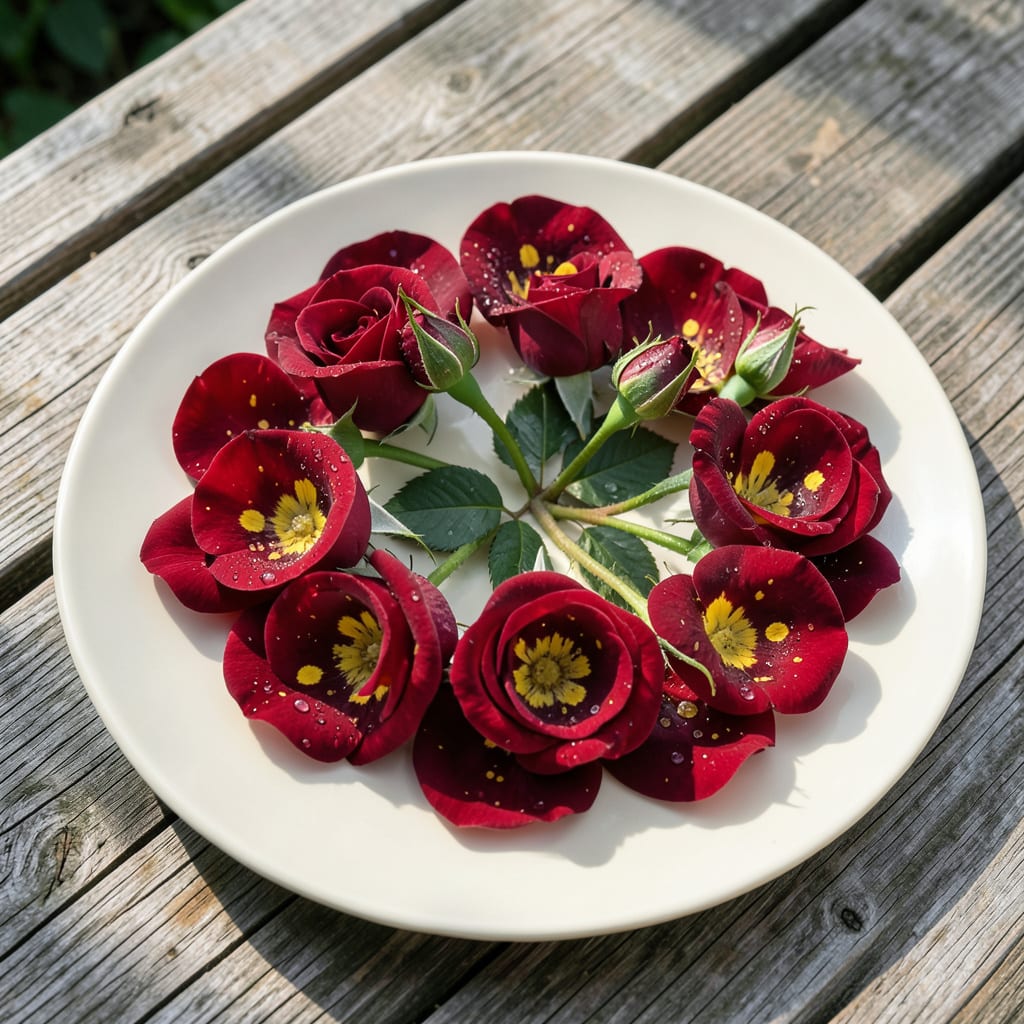
Those yellow spots on your roses aren’t just unsightly—they’re a warning. 🌿 I learned the hard way that ignoring them means saying goodbye to blooms and hello to a garden full of sickly plants.
Most often, it’s fungal trouble like black spot or rust, but nutrient issues or pests can mimic the same damage. The key is catching it early before it spreads to every bush in your yard.
With the right fixes—pruning infected leaves, improving airflow, or a copper fungicide—your roses can bounce back in 2-3 weeks. Prevention is simpler than you think.
Works for hybrid teas, climbers, and shrub roses alike. Let’s save those blooms.
Yellow spots on roses often signal underlying issues that disrupt their health and beauty. Below are the most common causes, explained with actionable insights.
Fungi like Black Spot (Diplocarpon rosae) thrive in warm, humid conditions. They infect leaves through water droplets, causing circular yellow spots with dark borders. Overhead watering and poor air circulation worsen the spread.
Excess moisture stresses rose roots, leading to nutrient deficiencies. Roots suffocate in soggy soil, unable to absorb iron or magnesium—essential for chlorophyll production. Result: yellowing foliage, often between veins.
Lack of nitrogen causes uniform yellowing, while iron or magnesium shortages create interveinal yellow spots. Test soil pH (ideal: 6.0–6.5); alkaline soils lock out these nutrients.
Sap-sucking pests like spider mites or aphids drain plant fluids, causing stipled yellow spots. Check leaf undersides for webbing or tiny insects, especially in dry, dusty conditions.
Intense sunlight (sunburn) or sudden temperature swings can scorch leaves, creating irregular yellow patches. Roses in containers are particularly vulnerable to heat stress.
Tackling yellow spots on roses starts with identifying the cause and applying the right fix. Below are targeted solutions for common culprits, along with prevention tips to keep your roses thriving.
Fix: Remove infected leaves immediately to prevent spread. Apply a copper-based fungicide or neem oil every 7–10 days until the issue resolves. For severe cases, use a systemic fungicide like Propiconazole.
Prevention: Water at the base of the plant to keep foliage dry. Improve air circulation by pruning dense growth and spacing plants properly. Clean up fallen leaves and debris regularly.
Fix: Spray roses with insecticidal soap or horticultural oil to eliminate aphids, spider mites, or thrips. For stubborn pests, use a pyrethrin-based spray in the early morning or late evening.
Prevention: Encourage beneficial insects like ladybugs and lacewings. Inspect leaves weekly for early signs of pests and act quickly.
Fix: Adjust your watering schedule—deep water 1–2 times per week (more in extreme heat) rather than frequent shallow watering. Ensure the soil drains well to avoid root rot.
Prevention: Use a moisture meter to monitor soil hydration. Mulch around the base to retain moisture and prevent water stress.
Fix: Test your soil and amend it with a balanced rose fertilizer (e.g., 10-10-10 or 5-10-5). For iron or magnesium deficiencies, apply chelated iron or Epsom salt (1 tablespoon per gallon of water) as a foliar spray.
Prevention: Fertilize roses every 4–6 weeks during the growing season. Avoid over-fertilizing, which can cause nutrient burn.
💡 Pro Tip: Always sterilize pruning tools with rubbing alcohol between cuts to avoid spreading disease!
Not always. While fungi like black spot are common, they can also stem from pests, overwatering, or nutrient shortages. Check for webbing, sticky residue, or leaf patterns to narrow it down.
Apply copper fungicide or neem oil every 7-10 days until spots disappear. For severe cases, switch to systemic fungicides and reapply after rain.
Yes, but act fast. Prune infected leaves, improve airflow, and treat the root cause. Most bushes recover in 2-3 weeks with consistent care.
Use foliar sprays like Epsom salt for magnesium or chelated iron for quick absorption. Soil amendments take longer but provide lasting results.
