
Beautiful Plants For Your Interior
Beautiful Plants For Your Interior
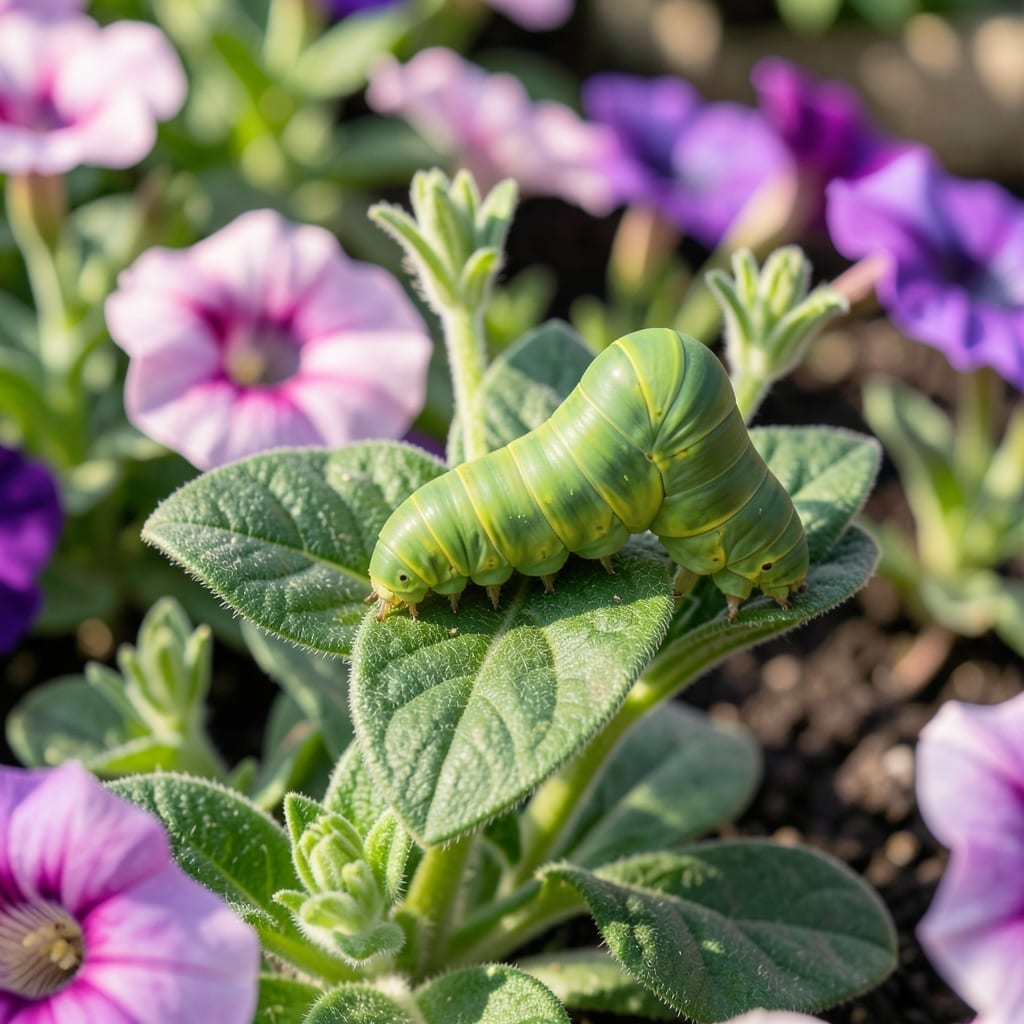
Worms in your petunias are a gardener’s wake-up call. I first spotted them after a week of heavy rain—tiny green caterpillars munching through leaves and buds overnight.
These pests thrive in damp conditions, but the damage spreads fast. Left unchecked, they’ll turn vibrant blooms into skeletonized stems in days. The good news? You can stop them without harsh chemicals.
Natural solutions like hand-picking, neem oil, or beneficial insects work if you act early. Consistent checks, especially after rain, keep them from returning.
Healthy petunias fight back better. Proper spacing, good drainage, and regular deadheading make your plants less inviting to worms in the first place.
Worms on petunias often appear due to a few common environmental and biological factors. Understanding these causes can help you prevent and address the issue effectively.
Overwatering or poor drainage creates a damp environment that attracts worms, especially cutworms and armyworms. These pests thrive in wet soil, where they lay eggs that hatch into larvae. Ensure your petunias are planted in well-draining soil and avoid waterlogging to discourage worm activity.
Decaying leaves, mulch, or plant debris around petunias provide shelter and food for worms. Earthworms and grubs are particularly drawn to organic matter. Regularly remove fallen leaves and maintain a clean garden bed to reduce their habitat.
Using unsterilized soil or compost can introduce worm eggs or larvae directly to your petunias. Always use pasteurized or high-quality potting mix to minimize this risk. If you compost at home, ensure it reaches high temperatures to kill potential pests before use.
Birds, beetles, and beneficial nematodes naturally control worm populations. If these predators are absent, worms can multiply unchecked. Encourage biodiversity in your garden by planting native species or introducing natural predators like ground beetles or parasitic wasps.
Dealing with worms on your petunias doesn’t have to be a losing battle. Here’s how to tackle the most common causes and restore your blooms to their full glory.
If you spot caterpillars or cutworms munching on leaves, put on gloves and remove them by hand in the early morning or evening when they’re most active. Drop them into a bucket of soapy water to prevent them from returning. Prevention tip: Inspect plants weekly to catch infestations early.
For slime trails or holes in petals (a sign of slugs or snails), create a barrier with crushed eggshells, diatomaceous earth, or copper tape around the base of your plants. These textures deter soft-bodied pests. Prevention tip: Water in the morning so foliage dries by evening, making the environment less inviting for slugs.
Encourage ladybugs, lacewings, or parasitic wasps to your garden—they’re natural predators of worm-like pests (e.g., armyworms or loopers). Plant companion flowers like marigolds or alyssum to attract them. Prevention tip: Avoid broad-spectrum pesticides, which harm helpful insects too.
For stubborn infestations, mix 1 tbsp neem oil + 1 tsp mild soap + 1 quart of water and spray evenly on leaves (focus on undersides). Reapply every 5–7 days. Neem disrupts pests’ life cycles without harming plants. Prevention tip: Test on a small area first to ensure no leaf burn occurs.
💡 Pro tip: Rotate methods to prevent pests from building resistance!
Look for chewed leaves, holes in petals, or slime trails. Caterpillars often leave jagged edges, while slugs create smooth holes. Check undersides of leaves for pests or eggs.
Yes, many worms like armyworms or cutworms move quickly to nearby plants. Isolate affected petunias and treat the entire area to prevent further spread.
You can, but start with natural methods first. If chemicals are necessary, choose targeted options like Bt (Bacillus thuringiensis) for caterpillars. Always follow label instructions.
Check plants at least once a week, and daily after rain or humid weather. Early morning or evening is best, as pests are most active then.