
Beautiful Plants For Your Interior
Beautiful Plants For Your Interior
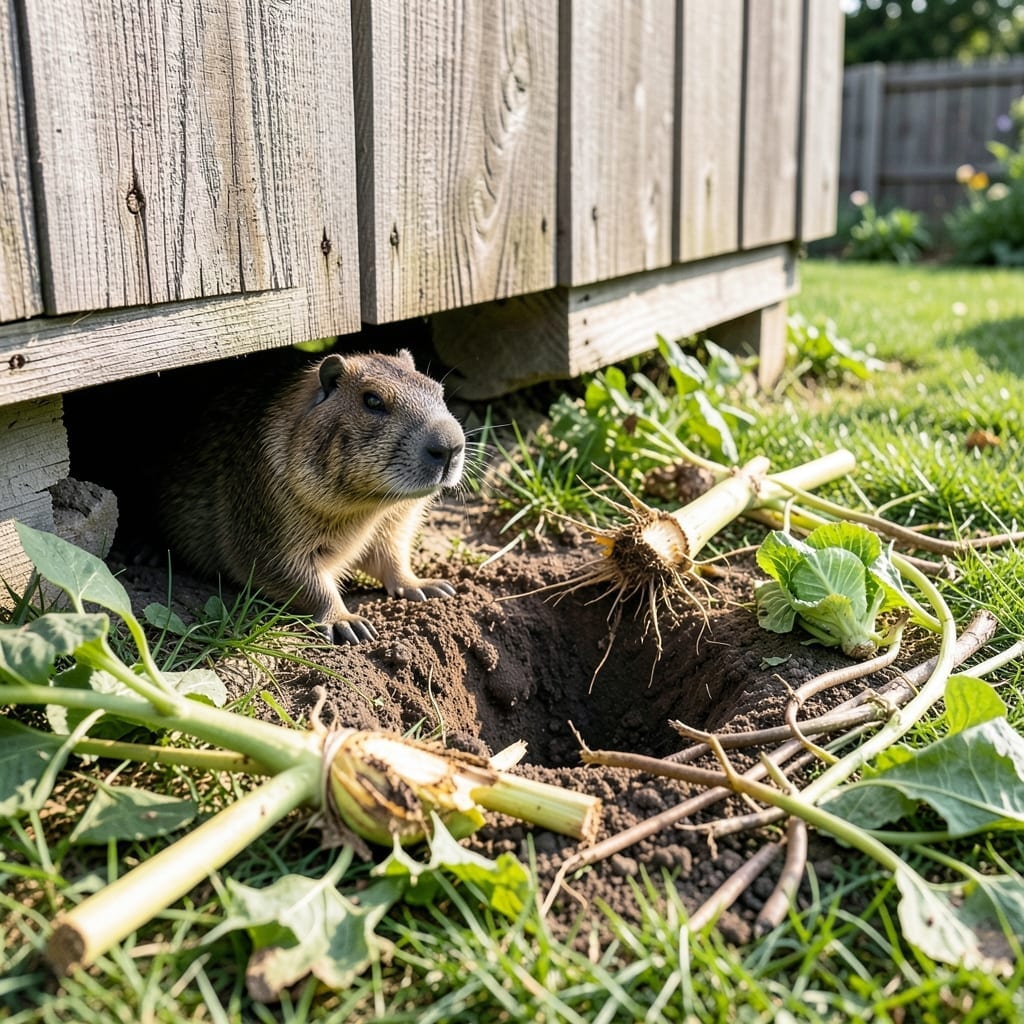
That first thump under my shed last spring sent me straight to the internet. Woodchucks are cute until they’re tunneling under your garden structures and wreaking havoc on your plants.
I discovered the key is acting fast but kindly. These critters dig extensive burrows, which can weaken foundations and invite more pests. The good news? You can encourage them to leave without harm.
With the right humane removal techniques and some strategic prevention, your shed can stay woodchuck-free. Simple barriers and natural repellents do the trick more often than you’d expect.
No need for harsh methods—just smart, consistent solutions that work with nature, not against it. Here’s how to reclaim your space.
Woodchucks, also known as groundhogs, often seek shelter under sheds for several practical reasons. Understanding these causes can help you address the issue effectively.
Woodchucks are burrowing animals by nature. They dig extensive underground systems to protect themselves from predators, harsh weather, and extreme temperatures. A shed provides a ready-made, elevated structure that mimics the safety of their natural burrows, making it an attractive option for nesting or overwintering.
Sheds are often located in yards or gardens, which are rich in vegetation. Woodchucks are herbivores and thrive on grasses, clover, alfalfa, and garden plants. If your shed is near a vegetable garden or lush lawn, it becomes a prime location for them to forage and live close to their food supply, reducing the need to travel far.
Urban and suburban development has reduced the natural habitats available to woodchucks. As forests and fields are cleared, these animals adapt by seeking alternative shelters. Sheds, with their dark, quiet, and undisturbed spaces, offer a suitable replacement for the lost environment, especially in areas with limited greenery or wooded zones.
Sheds provide dry, insulated spaces that shield woodchucks from rain, snow, and wind. Unlike open fields, the area under a shed stays relatively stable in temperature and humidity, which is ideal for raising young or hibernating. This makes it a preferred spot over exposed or poorly protected locations.
Dealing with a woodchuck under your shed can feel overwhelming, but these practical solutions will help you reclaim your space humanely and keep it critter-free.
Start by making the shed area less appealing. Place bright lights or a radio near the entrance—woodchucks dislike noise and activity. You can also lay down ammonia-soaked rags in a sealed container with holes; the strong odor will deter them. Pro tip: 💡 Check local regulations before using repellents, as some may require permits.
If the woodchuck hasn’t left after a few days, use a live trap baited with fresh veggies like lettuce or carrots. Once caught, relocate them at least 5 miles away to a wooded or rural area where they can thrive. Important: ✨ Always wear gloves when handling the trap to avoid transferring human scent.
After the woodchuck is gone, inspect the shed’s perimeter for holes or gaps. Use hardware cloth or galvanized steel mesh to cover any openings, burying it at least 12 inches deep to prevent digging. Secure the edges with stakes or heavy rocks.
To stop future visits, remove attractants like piles of brush, fallen fruit, or unsecured garbage. Install motion-activated sprinklers near the shed—the sudden water will scare them off. Bonus: 🎯 Plant woodchuck-resistant vegetation like daffodils or marigolds around the area.
With these steps, your shed will stay woodchuck-free while keeping the process safe and humane for everyone involved.
Look for fresh dirt piles or holes near the foundation. You might also notice gnawed plants or hear rustling sounds at dawn or dusk when they’re most active.
Yes, over time. Their burrowing can undermine concrete slabs or wood supports, creating weak spots. This also invites other pests like skunks or raccoons.
Mothballs can work temporarily, but they’re toxic to pets and wildlife. Safer options include predator urine or hot pepper spray near entry points.
Early spring or late summer is ideal. Avoid winter when they’re hibernating or spring breeding season to prevent separating mothers from their young.