
Beautiful Plants For Your Interior
Beautiful Plants For Your Interior
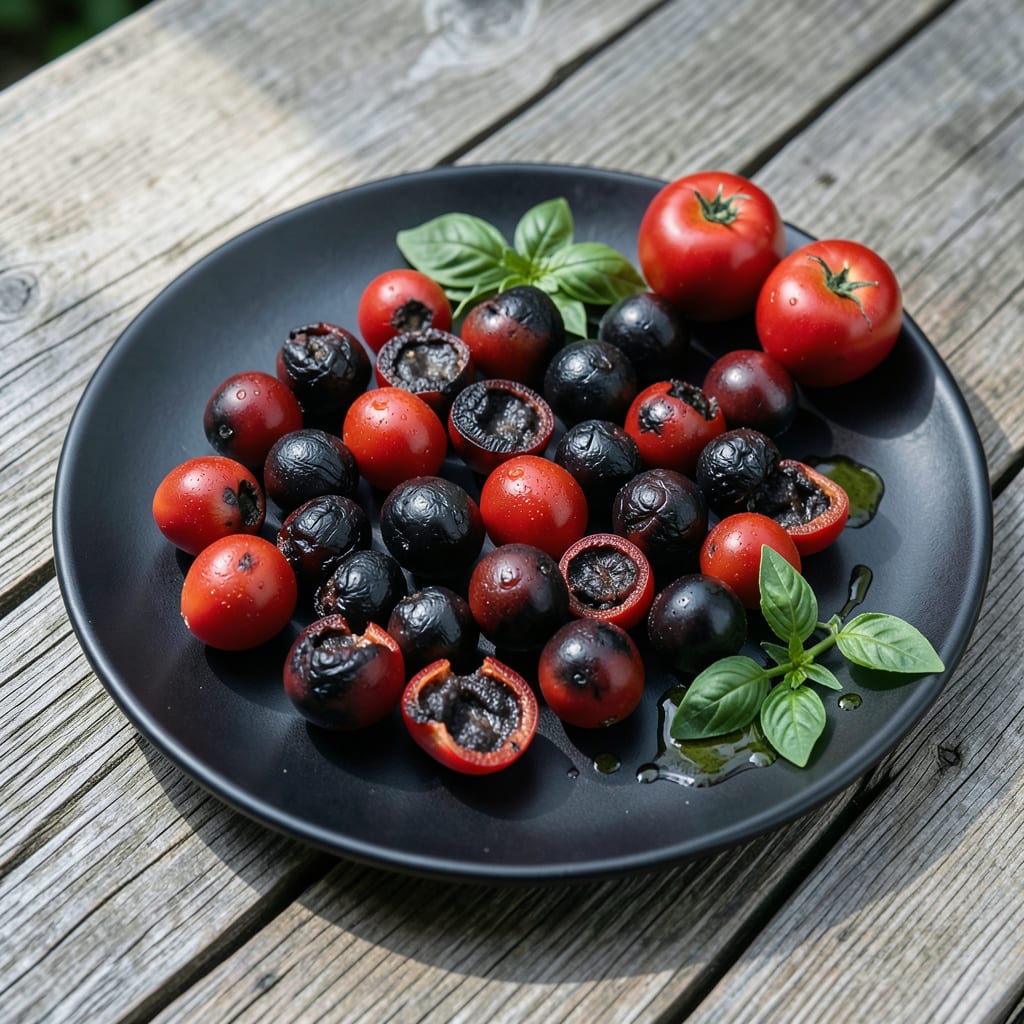
Nothing stings like watching your cherry tomatoes turn black just as they ripen. I’ve lost entire batches to this, and the most common culprit is blossom end rot—a calcium issue that hits fast-growing fruit.
Here’s the thing—it’s not always about calcium in the soil. More often, it’s inconsistent watering that blocks the plant from moving calcium to where it’s needed. One dry spell, then a downpour, and your tomatoes pay the price.
Fix it with steady moisture and a calcium boost like crushed eggshells or lime. You’ll see new fruit forming without the black spots within 2-3 weeks.
Prevention is simpler than you’d think. Mulch to retain moisture, water deeply at the base, and avoid high-nitrogen fertilizers that can trigger this problem.
Black discoloration on cherry tomatoes is often a sign of blossom end rot (BER), a physiological disorder caused by calcium deficiency in the fruit. While calcium may be present in the soil, uneven watering or root damage can prevent the plant from absorbing it effectively. Here’s why it happens:
The most common cause is insufficient calcium reaching the developing fruit. Even if your soil has enough calcium, fluctuations in soil moisture—like drought followed by heavy watering—disrupt nutrient uptake. Tomatoes need consistent moisture to transport calcium from the soil to the fruit.
Overwatering or underwatering stresses the plant, leading to poor calcium distribution. Too much water can leach calcium from the soil, while too little prevents roots from absorbing it. Mulching can help stabilize soil moisture levels.
Damaged or diseased roots (e.g., from root rot or aggressive cultivation) reduce the plant’s ability to take up calcium. Ensure healthy root growth by avoiding over-fertilization with high-nitrogen products, which can inhibit calcium absorption.
Extreme temperatures (too hot or cold) or high humidity can slow calcium movement within the plant. Shade cloths or row covers can mitigate temperature swings during heatwaves.
Actionable fix: Test soil pH (aim for 6.0–6.8) and amend with lime if calcium is truly deficient. Otherwise, focus on consistent watering and root health.
If your cherry tomatoes are turning black, the issue is likely blossom end rot, caused by a calcium deficiency or inconsistent watering. Here’s how to fix it—and prevent it in the future.
Add a calcium-rich supplement to the soil, such as crushed eggshells, bone meal, or a commercial calcium spray. For a quick fix, dissolve 1 tablespoon of calcium chloride in a gallon of water and apply it directly to the soil around the base of the plant. Avoid getting it on the leaves to prevent burning.
Prevention tip: Test your soil before planting. Aim for a pH of 6.0–7.0 to ensure proper calcium uptake. 💡
Inconsistent moisture levels disrupt calcium absorption. Water deeply 1–2 times per week, ensuring the soil stays evenly moist but not waterlogged. Use mulch (straw or wood chips) to retain moisture and reduce evaporation. Drip irrigation is ideal for maintaining steady hydration.
Prevention tip: Avoid overhead watering to reduce disease risk and soil erosion. ✨
Amend the soil with compost or well-rotted manure to boost its structure and nutrient content. Sandy or heavy clay soils often struggle with calcium availability. Mix in gypsum (calcium sulfate) to improve calcium levels without altering pH.
Prevention tip: Rotate crops yearly to prevent nutrient depletion. 🎯
Extreme heat or cold can hinder calcium uptake. Use shade cloth during heatwaves and row covers for unexpected cold snaps. Keep plants healthy with balanced fertilization—too much nitrogen can worsen calcium deficiencies.
Prevention tip: Plant cherry tomatoes in well-draining, warm soil (above 55°F/13°C). 🌡️
With these fixes, your cherry tomatoes should recover—and stay vibrant—all season long!
It’s best to discard affected fruit. Blossom end rot makes the bottom of the tomato leathery and bitter. The rest of the plant and unaffected fruit remain safe to eat.
With consistent watering and calcium supplements, new fruit should show improvement within 2-3 weeks. Existing black spots won’t heal, but future tomatoes will develop normally.
Yes, cherry and Roma tomatoes are particularly prone to this issue. Larger beefsteak varieties may show symptoms but often less severely. Always choose disease-resistant seeds when possible.
No, excessive nitrogen can worsen calcium deficiencies. Use balanced fertilizers and focus on soil pH (6.0-7.0) for proper nutrient absorption.
