
Beautiful Plants For Your Interior
Beautiful Plants For Your Interior
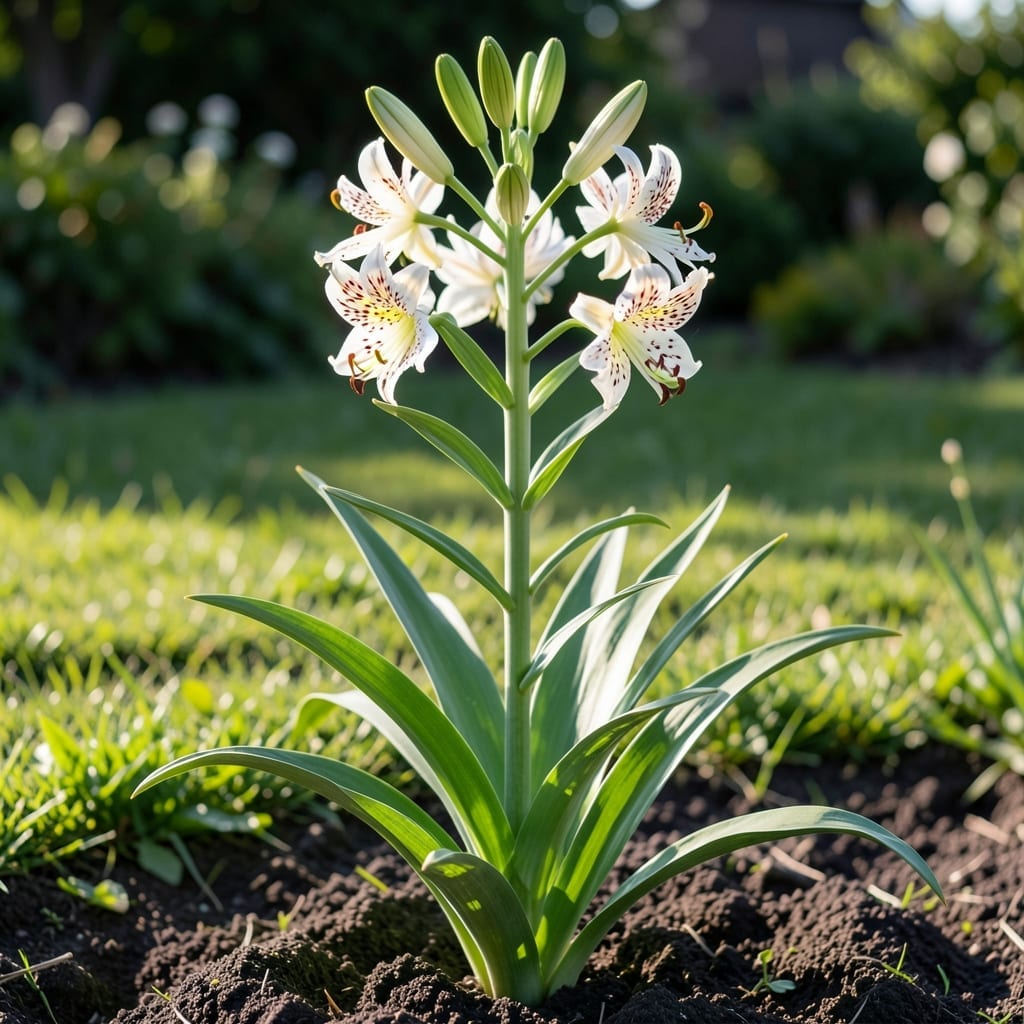
White tiger lilies turn summer gardens into showstoppers with their dramatic blooms. I’ve grown them for years, and their bold white petals with deep maroon spots never fail to draw attention.
They thrive in full sun with well-draining soil and minimal fuss. Once established, these hardy perennials return bigger and better every year with just basic care. Here’s how to make them shine in your space.
📚 In This Guide
Here’s the method I rely on to grow healthy, vibrant lilies that return year after year.
Select a spot that receives full sun to partial shade, with at least 6 hours of direct sunlight daily. White tiger lilies thrive in well-draining soil, so avoid low-lying areas where water pools. I test drainage by digging a 1-foot hole and filling it with water—if it drains completely within 1 hour, you’re good.
If your soil is heavy clay, amending with compost improves drainage significantly. The ideal location also has protection from strong winds, as tall lily stems can snap in gusty conditions. You’ll notice stronger stems and more abundant blooms in sheltered spots.
Dig holes that are 4-6 inches deep—about 3 times the bulb’s height—and space them 12-18 inches apart. This gives the plants room to multiply over the years without crowding. Place each bulb with the pointed end facing upward; if you’re unsure which end is up, plant it sideways and it will correct itself.
Cover the bulbs with soil and water thoroughly to settle the earth around them. I’ve found that adding a 2-inch layer of mulch after planting helps retain moisture and suppresses weeds. Don’t press the soil too firmly—lilies prefer loose, airy conditions for their roots.
Keep the soil consistently moist but not soggy, especially during the first growing season. Water when the top inch of soil feels dry to the touch. I water deeply at the base of the plant rather than from above to prevent fungal diseases and keep the foliage dry.
Once established, white tiger lilies are fairly drought-tolerant, but they’ll produce more blooms with regular watering. During extended dry spells, a deep soak once a week is better than frequent shallow watering. You’ll see the difference in bloom quality and stem strength.
Apply a balanced, slow-release fertilizer in early spring when new growth appears. I use a 10-10-10 formula and sprinkle it around the base of the plants, keeping it 6 inches away from the stems to avoid burning. Water thoroughly after applying to help the nutrients reach the roots.
For even more spectacular blooms, I add a layer of compost around the plants each spring. This not only provides nutrients but also improves soil structure over time. You’ll notice larger, more vibrant flowers by the second year with this simple practice.
Remove spent flowers regularly to encourage more blooms and prevent seed formation, which can drain the plant’s energy. After the blooms fade, allow the foliage to die back naturally—this feeds the bulb for next year’s growth. I resist the urge to cut back the leaves until they’ve turned completely brown.
Every 3-4 years, dig up and divide crowded clumps in early fall. Replant the healthiest bulbs and discard any that are soft or diseased. This rejuvenates the planting and ensures continued vigorous growth. You’ll be rewarded with more stems and flowers the following season.
Small adjustments in planting and care make a world of difference for vibrant blooms.
Sunlight Strategy: That 6 hours of direct sunlight mentioned in Step 1 is non-negotiable for strong stems and abundant flowers. If your garden only offers morning sun, that works—just ensure it’s consistent. I once planted mine in a spot with dappled shade, and the blooms were noticeably smaller.
Drainage Test: The 1-hour drainage test in Step 1 is your best insurance against rot. If water lingers longer, mix in compost or sand to loosen heavy soil. After amending, retest—it’s worth the extra effort to avoid soggy bulbs later.
Planting Depth: In Step 2, planting bulbs 4-6 inches deep protects them from temperature swings. Shallow planting can lead to frost damage in colder climates. If you’re unsure about bulb orientation, planting sideways (as noted) really does work—the bulb will adjust on its own.
Watering Wisdom: The once a week deep soak during dry spells (Step 3) beats daily light watering every time. It encourages deep root growth, which means sturdier plants. Water at the base to keep foliage dry and prevent fungal issues.
Water white tiger lilies deeply once a week, ensuring the soil stays moist but not soggy. During extreme heat, increase frequency to twice a week. Overwatering can cause bulb rot, so check soil moisture before watering.
Plant bulbs in early spring or fall, 4-6 weeks before the first frost. This gives roots time to establish before summer blooms. Avoid planting in peak summer heat.
Aphids, lily beetles, and slugs are frequent pests. Use neem oil or insecticidal soap for aphids, handpick beetles, and set up beer traps for slugs. Regular inspection helps prevent infestations.
Lack of sunlight, poor soil drainage, or over-fertilizing can delay blooms. Ensure 6+ hours of sun daily, well-draining soil, and balanced fertilizer. Patience is key—some bulbs take a year to bloom.