
Beautiful Plants For Your Interior
Beautiful Plants For Your Interior
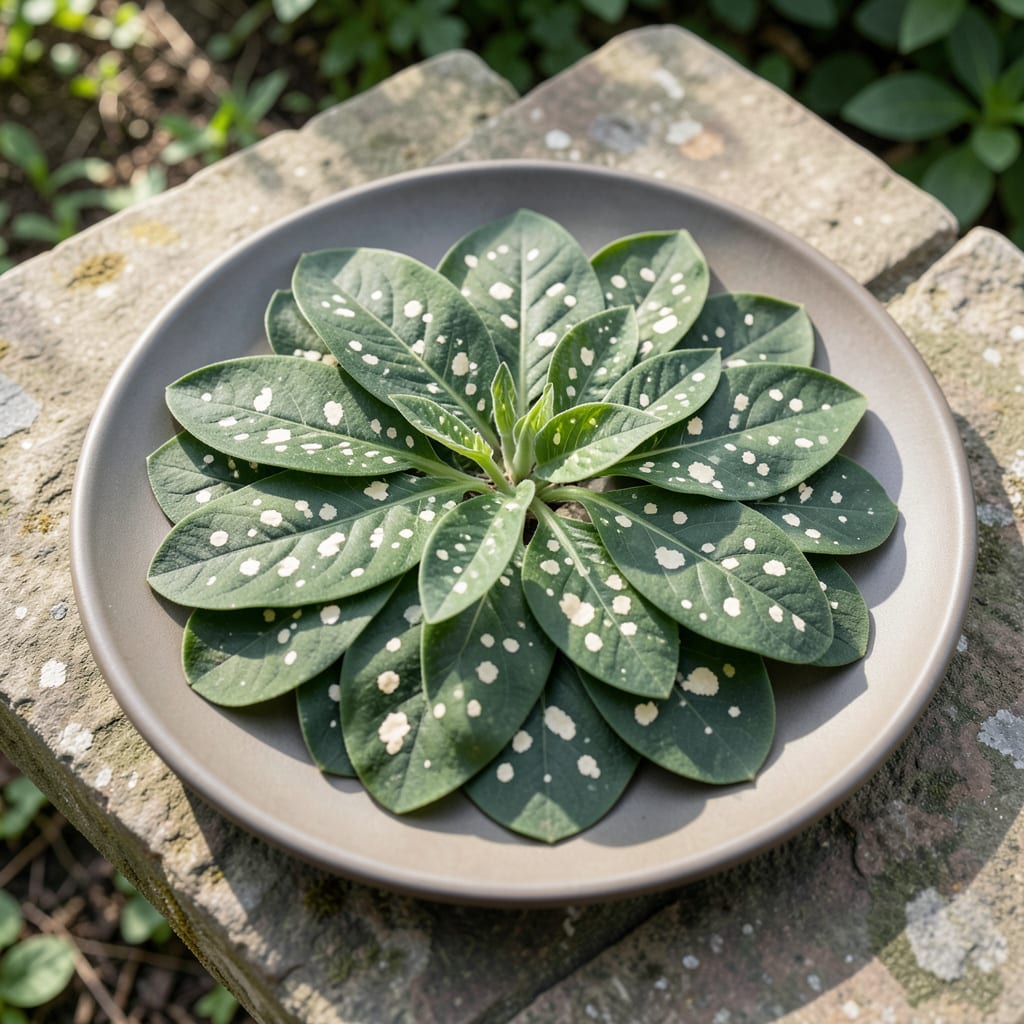
White spots on snapdragon leaves always catch me off guard. 🌿 I’ve seen this issue turn a thriving garden into a battleground overnight, but it’s fixable once you know the cause.
Most often, it’s powdery mildew or spider mites leaving their mark. The good news? Both respond well to early action. A little neem oil or pruning affected leaves can stop the spread before it starts.
I’ve saved countless snapdragons by catching it early and adjusting my watering routine. These plants bounce back fast when you give them the right care.
No fancy tools needed—just observation and a few simple steps. Here’s how to diagnose and fix it for good.
White spots on snapdragon leaves can stem from several underlying issues, most commonly tied to environmental stress or pathogen activity. Here’s a breakdown of the primary culprits:
Fungi like Powdery Mildew (Erysiphe spp.) or Downy Mildew (Peronospora spp.) thrive in humid conditions with poor air circulation. Powdery mildew appears as a white, powder-like coating on leaf surfaces, while downy mildew causes pale yellow or white patches on the upper leaves, often with a fuzzy gray growth underneath. These pathogens spread rapidly in wet, crowded environments.
Water droplets lingering on leaves create a perfect breeding ground for fungi and bacteria. Snapdragons are particularly susceptible when foliage remains damp for extended periods, especially in cool evenings. This moisture promotes spore germination and infection.
Insects like whiteflies or spider mites can cause stippling or white speckling as they feed on plant sap. Whiteflies excrete sticky honeydew, which can foster sooty mold—a secondary black fungus that may appear alongside white spots. Spider mites, meanwhile, leave tiny webs and pale, dotted damage.
Extreme temperature fluctuations, excessive sun exposure, or nutrient deficiencies (e.g., calcium or magnesium) can manifest as white or yellowish leaf discoloration. Snapdragons prefer moderate temperatures and well-draining soil; stress disrupts their natural defenses.
Tackle those pesky white spots on your snapdragon leaves with these targeted fixes for each underlying cause. Act fast to restore your plant’s health and vibrancy!
Start by pruning affected leaves and stems to reduce the spread. Thin out dense foliage to boost air circulation—crowded plants trap moisture, which mildew loves. Water at the base of the plant (not the leaves) to keep foliage dry. For severe cases, apply a copper-based fungicide or neem oil spray weekly until the issue clears. Prevention tip: 💡 Space plants 12–18 inches apart and avoid overhead watering.
Switch to drip irrigation or a soaker hose to deliver water directly to the soil. If hand-watering, aim for the early morning so leaves dry quickly in the sun. Wet foliage, especially at night, invites fungal growth. Prevention tip: ✨ Water deeply but less frequently to encourage strong roots and reduce humidity around leaves.
Inspect leaves for spider mites, aphids, or whiteflies—their damage can mimic fungal spots. Blast pests off with a strong stream of water, then apply insecticidal soap or horticultural oil. Repeat every 5–7 days until pests are gone. Prevention tip: 🎯 Introduce beneficial insects like ladybugs or lacewings to keep pest populations in check naturally.
Snapdragons thrive in full sun to partial shade and well-draining soil. If your plant is stressed by extreme heat or poor soil, move it to a shadier spot or amend the soil with compost. Mulch around the base to retain moisture without soggy roots. Prevention tip: 🌡️ Monitor temperature and humidity—snapdragons prefer 60–75°F and moderate humidity.
Powdery mildew looks like white dust on leaves, while pests leave tiny dots or webbing. Check leaf undersides for mites or whiteflies to confirm.
Yes! Neem oil treats both fungal issues and pests. Apply weekly in the evening to avoid leaf burn.
Remove heavily spotted leaves to prevent spread. Use clean shears and dispose of debris far from plants.
Soggy soil stresses plants, making them vulnerable to pests and fungi. Let soil dry between waterings.
