
Beautiful Plants For Your Interior
Beautiful Plants For Your Interior
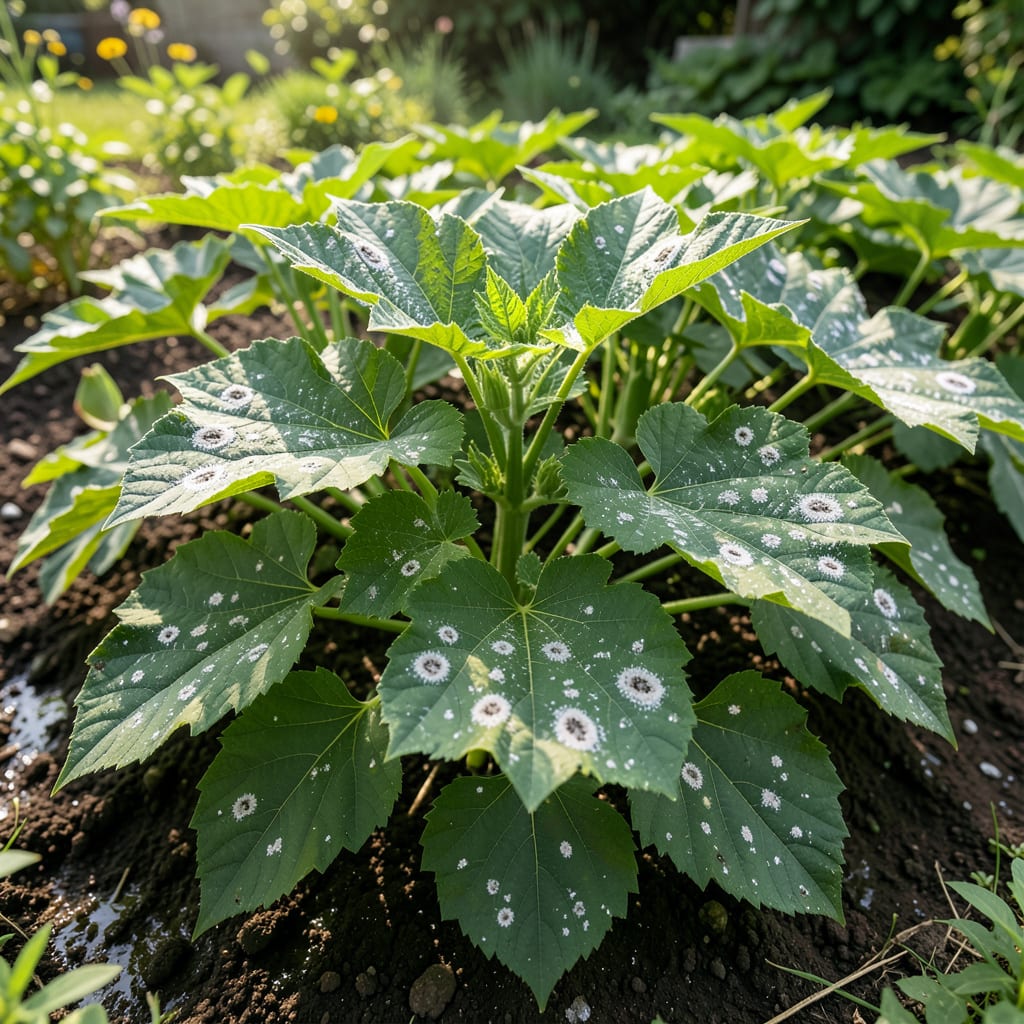
White spots on okra leaves always mean trouble, but don’t panic—it’s usually fixable. I’ve dealt with this issue in my own garden, and the key is identifying the cause fast.
Whether it’s powdery mildew, spider mites, or just water stress, the solution is often simpler than you think. With the right approach, your plants can bounce back in a week or two. Here’s how to diagnose and treat it.
📚 In This Guide
Here’s my proven approach to diagnose and fix this issue before it spreads to your entire crop.
Start by examining the white spots closely with a magnifying glass. Powdery mildew appears as a fine, powdery coating on the leaf surface, while downy mildew shows fuzzy growth on the undersides. Fungal spots often have dark edges or concentric rings.
Check both upper and lower leaf surfaces—some problems only appear on one side. Note the size, shape, and distribution of the spots. Small, scattered dots suggest spider mites, while larger, irregular patches point to fungal infections.
Okra thrives in full sun and 75-90°F temperatures. Shaded, humid areas encourage fungal growth. I always check if my plants are getting at least 6-8 hours of direct sunlight daily.
Poor air circulation is another culprit. Plants spaced too closely create a damp microclimate perfect for disease. Your okra should have 12-18 inches between plants. Morning watering gives foliage time to dry before evening.
Using clean scissors, remove the most severely affected leaves first. Disinfect the blades with rubbing alcohol between cuts to prevent spreading pathogens. I collect these leaves in a sealed bag for disposal, never composting diseased plant material.
For mild cases, a baking soda solution (1 tablespoon per gallon of water) sprayed every 5-7 days works wonders. Apply in the morning when temperatures are below 85°F to prevent leaf burn. Always test on a small area first.
Switch to drip irrigation or water at the base to keep foliage dry. Overhead watering wets leaves and invites fungal spores. I water deeply once or twice weekly, letting the soil dry slightly between waterings.
Apply a 2-3 inch layer of organic mulch around plants to prevent soil-borne spores from splashing onto leaves during rain or irrigation. This also maintains consistent soil moisture, which reduces plant stress and vulnerability to disease.
If problems persist, consider a fungicide labeled for edible crops, following all safety instructions. I’ve found neem oil effective when applied at the first sign of trouble and repeated every 7-10 days until the issue resolves.
These practical insights will help you tackle the problem effectively and prevent future outbreaks.
Inspection Technique: In Step 1, use a magnifying glass to distinguish between powdery mildew (fine white coating) and downy mildew (fuzzy underside growth). I’ve found that noting whether spots have dark edges or concentric rings helps identify fungal infections quickly.
Sunlight and Spacing: For Step 2, ensure your okra gets the full 6-8 hours of direct sunlight daily—this is critical for preventing fungal growth. Keep plants spaced 12-18 inches apart to improve air circulation and reduce humidity around the leaves.
Treatment Timing: In Step 3, apply the baking soda solution every 5-7 days, but always in the morning when temperatures are below 85°F to avoid leaf burn. Testing on a small area first saves you from damaging the entire plant.
Prevention Strategy: In Step 4, that 2-3 inch layer of organic mulch isn’t just for moisture—it also blocks soil-borne spores from splashing onto leaves during rain or watering, which is a common cause of white spots.
White spots are often caused by fungal diseases like powdery mildew or downy mildew, pest infestations (e.g., whiteflies or aphids), or nutrient deficiencies. Environmental stress, such as high humidity or poor air circulation, can also contribute.
Start by removing affected leaves and improving air circulation. Apply neem oil or a fungicide for fungal issues, and use insecticidal soap for pests. Ensure proper watering and avoid wetting the leaves to prevent further spread.
Yes, if the cause is fungal or pest-related, it can spread to nearby plants. Isolate infected okra plants and treat them promptly to prevent contamination. Regularly inspect surrounding plants for early signs.
If left untreated, severe infections can weaken the plant, reducing yield or quality. Address the issue early to minimize impact on fruit production and overall plant health.
