
Beautiful Plants For Your Interior
Beautiful Plants For Your Interior
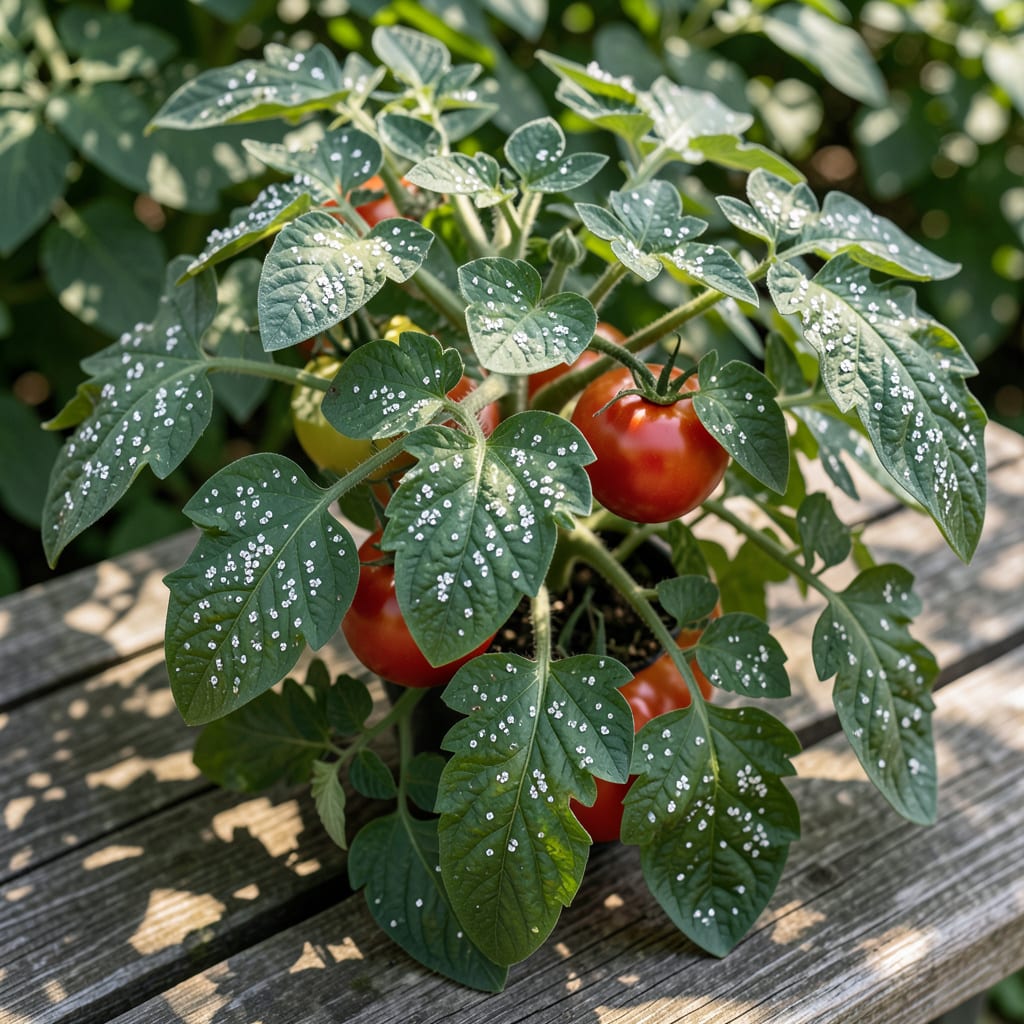
White specks on your tomato leaves are a red flag I’ve learned not to ignore. 🌱 These tiny spots often signal trouble—whether it’s pests like spider mites or fungal issues such as powdery mildew.
I’ve seen both scenarios in my garden, and the key is quick action. Left unchecked, what starts as a few specks can spread fast, stunting growth and slashing your harvest before you know it.
With a few simple steps, you can identify the culprit and treat it effectively. Most fixes use items you already have at home, saving you time and stress.
Prevention is even easier once you know what to look for. A little vigilance now means healthier plants and a bigger yield later in the season.
White specks on tomato leaves often signal underlying issues that disrupt plant health. Below are the most common causes, explained with scientific precision and actionable insights.
Powdery Mildew (Oidium neolycopersici) thrives in warm, dry days followed by cool, humid nights. It appears as white, powdery spots on leaf surfaces, inhibiting photosynthesis. Early Blight (Alternaria solani) can also cause white or tan specks with concentric rings, often starting on lower leaves.
Spider mites (Tetranychus urticae) and whiteflies (Bemisia tabaci) feed on sap, leaving behind stippled white or yellow specks. Their damage weakens leaves, while honeydew secretions may attract sooty mold, compounding the issue.
Calcium or magnesium deficiency can manifest as white or pale spots, often between leaf veins. This occurs in nutrient-poor soil or when pH imbalances (e.g., overly acidic or alkaline) lock out essential minerals.
Sunscald or heat stress can cause bleached, white patches on leaves exposed to intense sunlight, especially after pruning or transplanting. Similarly, chemical burn from improper pesticide or fertilizer application may create localized white specks.
Tackling those pesky white specks on your tomato leaves starts with identifying the cause. Here’s how to address each issue and keep your plants thriving:
Fix: Remove infected leaves immediately to prevent spread. Apply a copper-based fungicide or a homemade mix of 1 tsp baking soda + 1 quart water + a drop of dish soap. Spray every 7–10 days until the problem clears.
Prevention: 💡 Improve airflow by spacing plants 18–24 inches apart. Water at the base (not overhead) and avoid wetting leaves. Mulch with straw to reduce soil-borne spores.
Fix: Blast aphids, whiteflies, or spider mites off with a strong stream of water. For stubborn pests, use neem oil or insecticidal soap (follow label instructions). Introduce beneficial insects like ladybugs for natural control.
Prevention: 🎯 Inspect plants weekly for early signs. Encourage biodiversity in your garden to deter pests naturally.
Fix: Flush the soil with water if over-fertilization is suspected. For calcium or magnesium deficiencies, add crushed eggshells or Epsom salt (1 tbsp per gallon of water) to the soil.
Prevention: ✨ Test your soil annually and amend as needed. Avoid over-fertilizing—stick to a balanced, slow-release formula.
Fix: Provide shade cloth during peak afternoon heat. Ensure consistent watering—1–2 inches per week—to prevent stress.
Prevention: 🌡️ Mulch heavily to retain moisture and regulate soil temperature. Use drip irrigation for even watering.
Yes, fungal spores and pests can travel between plants. Isolate affected tomatoes immediately and avoid overhead watering to prevent spreading.
Act within 24-48 hours of noticing specks. Early intervention prevents severe damage and stops infestations from multiplying.
Yes, neem oil or baking soda sprays work well for mild cases. For severe infestations, consider commercial fungicides or insecticides.
Damaged leaves won’t heal, but new growth will be healthy once the issue is resolved. Remove severely spotted leaves to redirect energy.
