
Beautiful Plants For Your Interior
Beautiful Plants For Your Interior
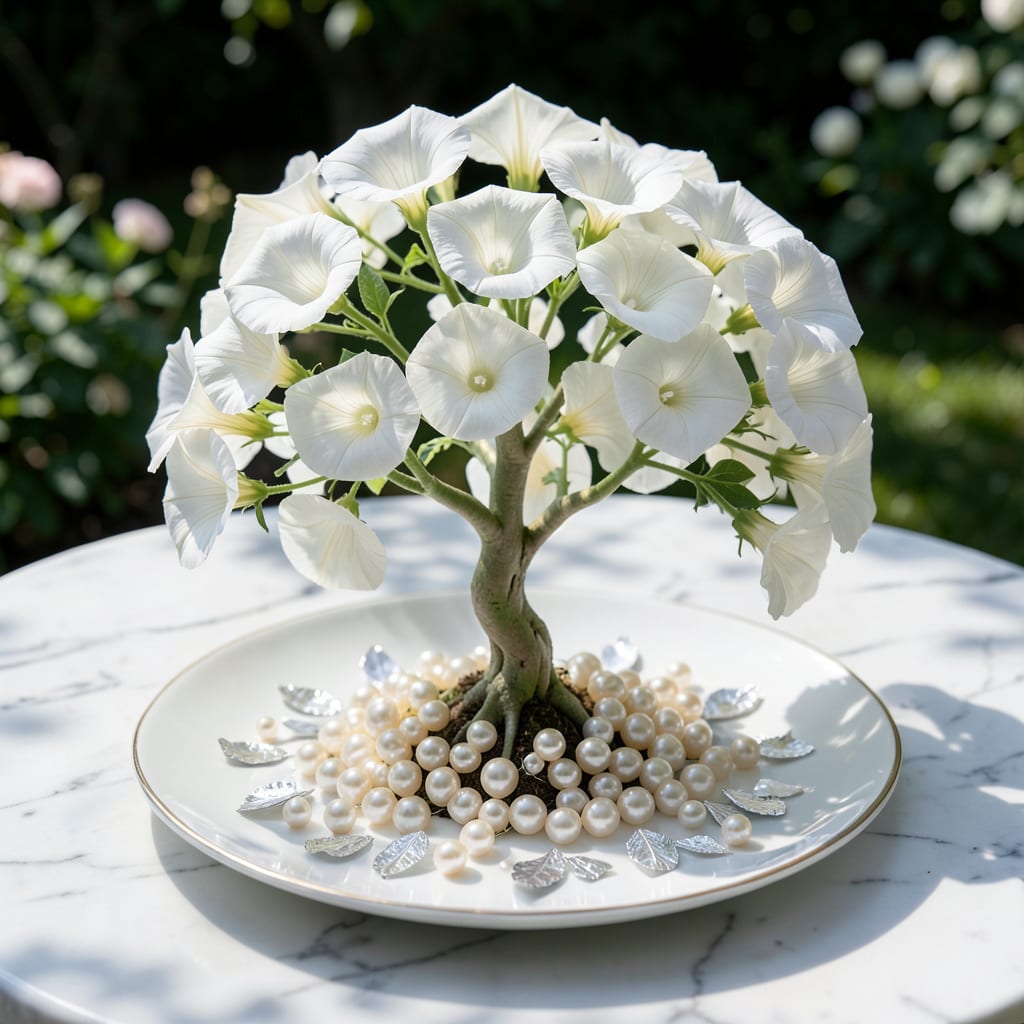
This tree transforms any yard with its fast growth and stunning white blooms. I planted mine last spring and watched it climb 10 feet in a single season, creating shade and beauty almost overnight.
It thrives in full sun with well-draining soil, and the heart-shaped leaves add texture before the flowers even appear. The real magic happens when those pure white trumpets open at dawn, filling the air with a light, sweet fragrance.
Minimal care keeps it happy—just regular watering the first year and occasional pruning to shape it. You’ll get a living privacy screen or a dramatic focal point that neighbors will ask about.
Perfect for fences, trellises, or standalone statements. This plant delivers fast results with little effort.
The Ipomoea arborescens, commonly known as the morning glory tree, produces white flowers due to a combination of genetic, environmental, and physiological factors. Below are the primary causes, explained in clear, actionable terms.
Some varieties of morning glory trees are naturally bred to produce white blooms. These cultivars carry recessive genes that suppress pigment production (anthocyanins), resulting in pure white or near-white flowers. If your tree consistently blooms white, it’s likely a genetically stable variety like Ipomoea arborescens ‘Alba’.
Intense sunlight, heat, or drought can bleach pigments in petals, turning colored blooms white or pale. This is a survival mechanism: the plant reduces energy expenditure on pigment synthesis under stress. To prevent this, ensure consistent watering and provide afternoon shade in extreme climates.
A lack of key nutrients—particularly phosphorus or magnesium—can disrupt flower coloration. Phosphorus supports energy transfer for pigment production, while magnesium is central to chlorophyll and anthocyanin synthesis. Conduct a soil test and amend with a balanced fertilizer (e.g., 10-10-10) or organic compost if deficiencies are detected.
Pathogens like Fusarium wilt or mosaic viruses can alter cellular processes, leading to color loss in flowers. Infected plants may show white or streaked blooms alongside yellowing leaves or stunted growth. Remove affected foliage, improve air circulation, and apply a copper-based fungicide if fungal issues persist.
Even the hardy white morning glory tree can run into trouble, but most problems are easy to tackle with the right approach. Below are practical solutions to common issues, along with tips to keep your tree thriving.
If the leaves turn yellow, it’s often a sign of overwatering or poor drainage. Let the soil dry out slightly between waterings, and ensure the pot or planting area has drainage holes. For heavy clay soil, mix in compost or sand to improve aeration. Prevention tip: Use a well-draining soil mix from the start to avoid waterlogged roots.
Spider mites and aphids love to target new growth. Blast them off with a strong stream of water, or apply neem oil or insecticidal soap for stubborn cases. Prevention tip: Regularly inspect the undersides of leaves and keep the area free of debris where pests hide.
If your tree isn’t growing as fast as expected, it may need a nutrient boost. Feed it with a balanced, water-soluble fertilizer every 4–6 weeks during the growing season. Avoid over-fertilizing, which can lead to leaf burn. Prevention tip: Start with nutrient-rich soil at planting to give it a strong foundation.
Leggy growth usually means the plant is stretching for light. Move it to a sunnier spot (6+ hours of sunlight daily) and prune back long, sparse stems to encourage bushier growth. Prevention tip: Rotate potted trees occasionally for even light exposure.
Pro tip: 💡 Consistency is key—stick to a care routine, and your white morning glory tree will reward you with vigorous, healthy growth!
This tree can climb 10-15 feet in a single season under ideal conditions. With well-draining soil and full sun, you’ll see rapid vertical growth that creates quick privacy or shade.
Yes, as a vine-like tree, it requires support to reach its full height. Use a sturdy trellis, fence, or arbor at least 6-8 feet tall to accommodate its climbing nature.
Water deeply 1-2 times per week during the first growing season. Once established, it’s drought-tolerant but blooms best with consistent moisture. Always let soil dry slightly between waterings.
Expect the first white blooms in early summer, with peak flowering from June to September. The trumpet-shaped flowers open in the morning and close by afternoon.
