
Beautiful Plants For Your Interior
Beautiful Plants For Your Interior
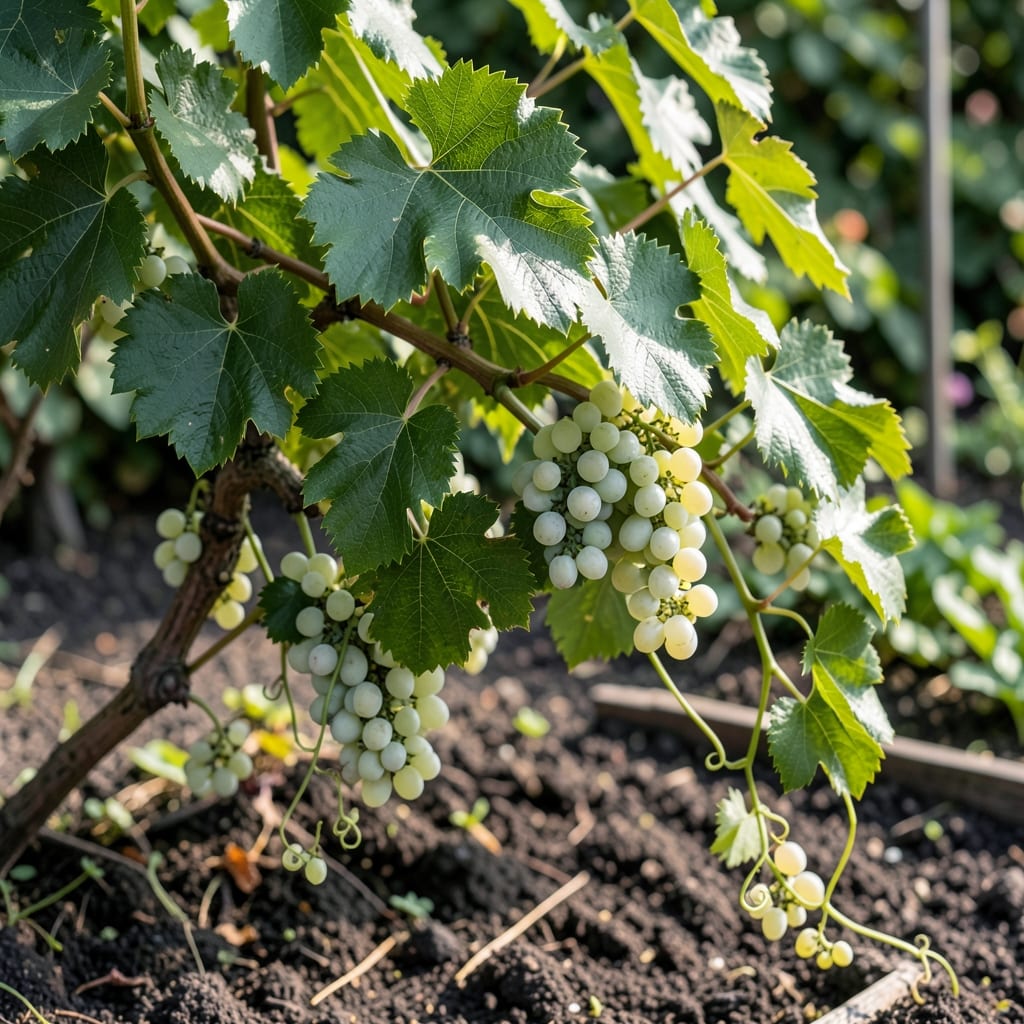
I’ve grown White Marquis grapes for five years now, and the crisp sweetness of that first harvest hooked me for life. These vines reward patience with clusters of pristine white fruit that thrive in the right conditions.
Get the soil mix right—well-draining, slightly acidic—and they’ll establish fast. Pruning is non-negotiable for air flow and fruit quality, but the payoff is a vine that produces reliably season after season.
📚 In This Guide
This method delivers consistent, high-quality harvests with minimal fuss and maximum flavor every season.
Choose a location with full sun exposure for at least 6-8 hours daily. White Marquis grapes thrive in well-draining soil with a pH between 6.0 and 6.5. I always test my soil first—it saves headaches later when plants struggle to absorb nutrients.
Clear the area of weeds and debris, then loosen the soil to a depth of 12-18 inches. This encourages deep root growth, which is critical for drought resistance and vigorous vines. If your soil is heavy clay, work in a few inches of compost to improve drainage and fertility.
Space your plants 6-8 feet apart in rows that are 8-10 feet apart. This gives the vines room to spread and ensures good air circulation, which prevents fungal diseases. Dig a hole slightly larger than the root ball, place the vine in, and backfill with native soil.
Plant each vine at the same depth it was growing in its container. I’ve found that setting them too deep can smother the root crown, while planting too shallow exposes roots to drying out. Water thoroughly after planting to settle the soil and eliminate air pockets around the roots.
White Marquis grapes need a sturdy trellis or arbor to support their vigorous growth. I install a 6-foot tall trellis at planting time to avoid disturbing roots later. A simple post-and-wire system works well, with wires spaced 12-18 inches apart to train the vines upward.
Train the main stem to the trellis as it grows, tying it loosely with soft plant ties. Avoid tight bindings—they can girdle the stem as it thickens. Prune away any side shoots in the first year to focus the plant’s energy on establishing a strong central trunk.
Water young vines deeply once a week, providing 1-2 inches of water per plant. Mature vines are more drought-tolerant but still need regular watering during fruit set and development. I use a soaker hose to deliver water directly to the roots, keeping foliage dry to prevent disease.
Apply a balanced fertilizer, such as 10-10-10, in early spring and again just before the vines begin to bloom. Over-fertilizing leads to excessive leafy growth at the expense of fruit production, so stick to the recommended rates. A 2-3 inch layer of mulch around the base helps retain moisture and suppress weeds.
Prune vines annually in late winter while they’re still dormant. Remove any dead or diseased wood, then thin out excess canes to improve air circulation and light penetration. I aim to leave 4-6 healthy canes per vine, spaced evenly along the trellis.
Thin fruit clusters when they’re about the size of peas, leaving 1 cluster every 6-8 inches along the cane. This ensures the remaining grapes have enough space to develop fully and reduces the risk of overcrowding, which can lead to poor air circulation and disease. Harvest when the grapes are fully colored and sweet to the taste.
Took me a few seasons to learn these, but they make all the difference.
Sunlight Priority: The 6-8 hours daily of full sun mentioned in Step 1 isn’t just a suggestion—it’s critical for sugar development. I learned this the hard way when my first planting produced tart, underripe grapes. If your yard has partial shade, choose the sunniest spot available.
Soil Depth Matters: When loosening soil in Step 1, don’t skimp on that 12-18 inches depth. Shallow preparation leads to weak root systems that can’t support vigorous vines. I use a garden fork to break up compacted layers without disturbing the soil structure too much.
Trellis Timing: Installing that 6-foot tall trellis in Step 3 at planting time saves so much hassle later. I once waited until the vines were a foot tall, and the roots were disturbed when I added supports. The 12-18 inches apart wire spacing is perfect for training new growth upward.
Pruning Precision: In Step 5, leaving exactly 4-6 healthy canes per vine might seem arbitrary, but it’s the sweet spot for air circulation and fruit quality. And that 1 cluster every 6-8 inches rule? It prevents overcrowding that leads to rot. I mark my spacing with zip ties on the trellis wires as a visual guide.
White Marquis grapes thrive in full sun with well-draining, loamy soil. Aim for a pH of 6.0-6.5 and ensure good air circulation to prevent fungal diseases. They’re cold-hardy but need protection from late frosts.
Harvest when grapes reach 18-22% sugar content, typically in late September to early October. Check by tasting a few berries—they should be sweet with balanced acidity. Avoid picking too early or after heavy rain.
Watch for powdery mildew, downy mildew, and black rot. Prevent these with proper pruning, spacing, and fungicide sprays (like sulfur or copper) during wet seasons. Remove infected leaves or fruit immediately.
Yes! Use a large container (15+ gallons) with drainage holes and a trellis for support. Choose dwarf rootstocks and monitor soil moisture closely, as potted vines dry out faster.
Poor fruit set may result from frost damage, nutrient deficiencies, or inadequate pollination. Protect vines from late frosts, fertilize with balanced nutrients, and ensure bees or wind can access flowers.