
Beautiful Plants For Your Interior
Beautiful Plants For Your Interior
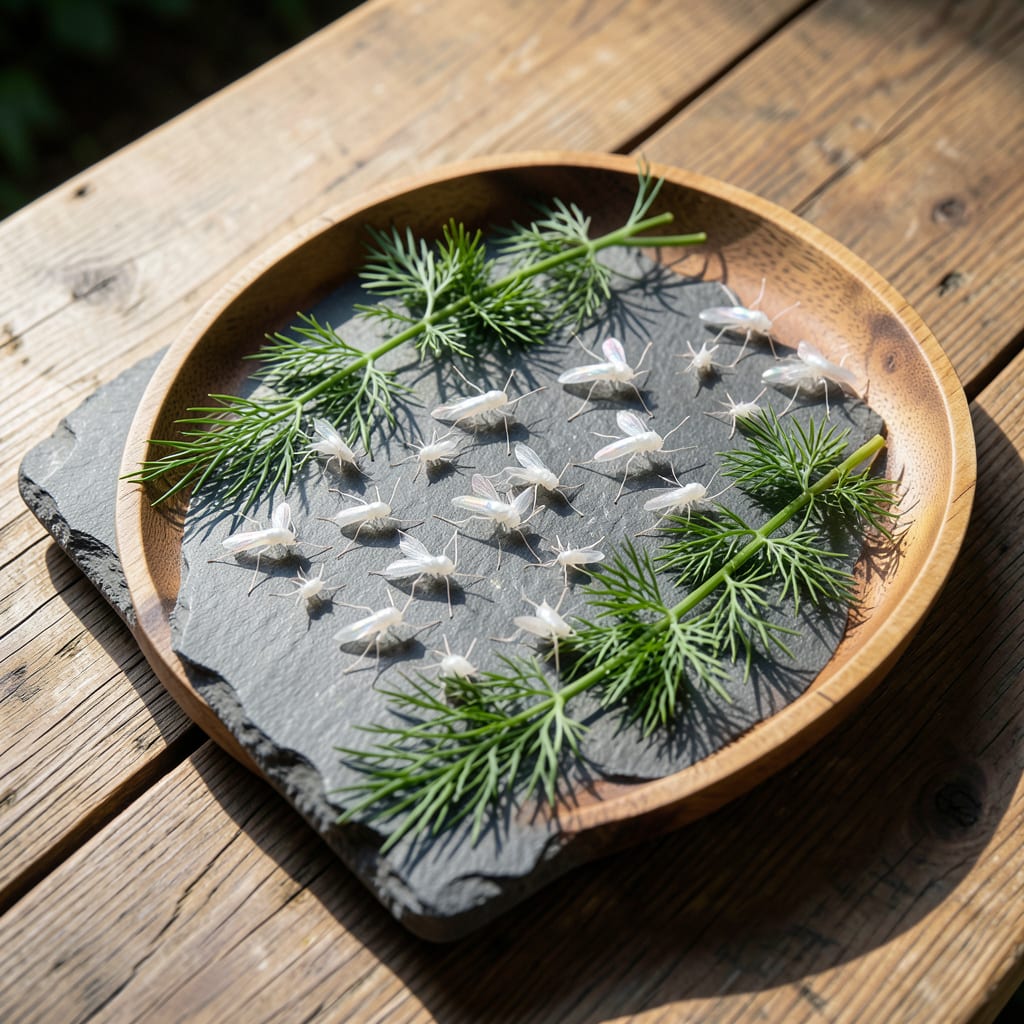
Tiny white clouds hovering over your soil aren’t fairy dust. They’re fungus gnats, and I’ve seen them turn healthy gardens into stressed-out messes in 48 hours. The good news? They’re easier to control than you think.
These pests thrive in damp conditions, laying eggs in moist soil that hatch into root-munching larvae. I learned the hard way that overwatering and organic debris are basically an open invitation. The solution starts with letting your soil dry properly between waterings.
You’ll see results fast with simple traps and soil treatments. Yellow sticky cards catch adults, while a layer of sand or cinnamon stops the life cycle. Within a week, the population crashes without harsh chemicals.
Works for flower beds, vegetable gardens, and potted plants alike. Let’s clear your yard for good.
White gnats, often fungus gnats or whiteflies, thrive in yards due to specific environmental conditions. Understanding the root causes helps you tackle the problem effectively.
Excess moisture in soil creates the perfect breeding ground for fungus gnats. These pests lay eggs in damp, organic-rich soil, and their larvae feed on decomposing plant matter. If your yard has standing water or compacted soil that retains moisture, it’s a prime target. Overwatering lawns or gardens accelerates this issue, especially in shaded areas where evaporation is slow.
Fungus gnats are attracted to rotting leaves, grass clippings, and compost piles. As organic material breaks down, it releases nutrients and moisture that sustain gnat larvae. Piles of mulch or unraked leaf litter in your yard act like a buffet for these pests. Even well-intentioned compost heaps can become breeding sites if not managed properly.
Thick vegetation traps humidity and limits airflow, creating a microclimate that white gnats love. Overcrowded garden beds, unpruned shrubs, or tall grass provide shelter and moisture, encouraging gnat populations to explode. This is especially common in yards with lush but poorly maintained landscaping.
Regions with consistently high humidity or yards with poor air circulation are more susceptible. White gnats thrive in stagnant, moist air, which is why they’re often seen hovering near damp soil or shaded areas. Greenhouses, heavily mulched gardens, or low-lying yard spots with poor drainage are hotspots.
Tackling white gnats in your yard starts with targeting their root causes. Below are actionable fixes mapped to common triggers, plus prevention tips to keep them from returning.
Gnats thrive in damp soil. Let the top 1-2 inches of soil dry between waterings. Fix drainage by amending compacted soil with compost or sand. For potted plants, ensure containers have drainage holes.
Prevention tip: 💡 Water early in the day so excess moisture evaporates by evening.
Clear fallen leaves, grass clippings, and rotting wood—these are gnat breeding grounds. Rake and dispose of yard waste regularly. Compost piles should be turned frequently and kept far from garden beds.
Prevention tip: 🌿 Use a thin layer of mulch (no thicker than 2-3 inches) to discourage moisture buildup.
Fungus gnats love fungal-rich soil. Spray a mix of 1 part hydrogen peroxide to 4 parts water on affected areas to kill larvae and fungus. Neem oil (diluted per label instructions) also disrupts their lifecycle.
Prevention tip: ✨ Avoid over-fertilizing, which can feed fungal growth.
Empty saucers under pots, fix leaky hoses, and fill low spots in your yard where water pools. For larger areas, consider French drains or grading adjustments.
Prevention tip: 🎯 Use a moisture meter to monitor soil dampness before watering.
Pair these fixes with yellow sticky traps near hotspots to catch adult gnats. Consistency is key—addressing both the larvae and adults breaks their lifecycle for good.
Adult gnats don’t damage plants, but their larvae feed on roots and organic matter in soil. This can weaken young plants and seedlings. In severe cases, they may stunt growth or spread fungal diseases.
Fungus gnats look like tiny mosquitoes and hover near soil. Whiteflies are smaller, white, and scatter when disturbed. Check undersides of leaves—whiteflies leave sticky residue.
Yes! Sprinkle food-grade diatomaceous earth on dry soil. It dehydrates larvae and adults within 24-48 hours. Reapply after rain or watering for best results.
They often hitchhike indoors on new plants or soil. Treat infested houseplants with yellow sticky traps and let soil dry between waterings.
