
Beautiful Plants For Your Interior
Beautiful Plants For Your Interior
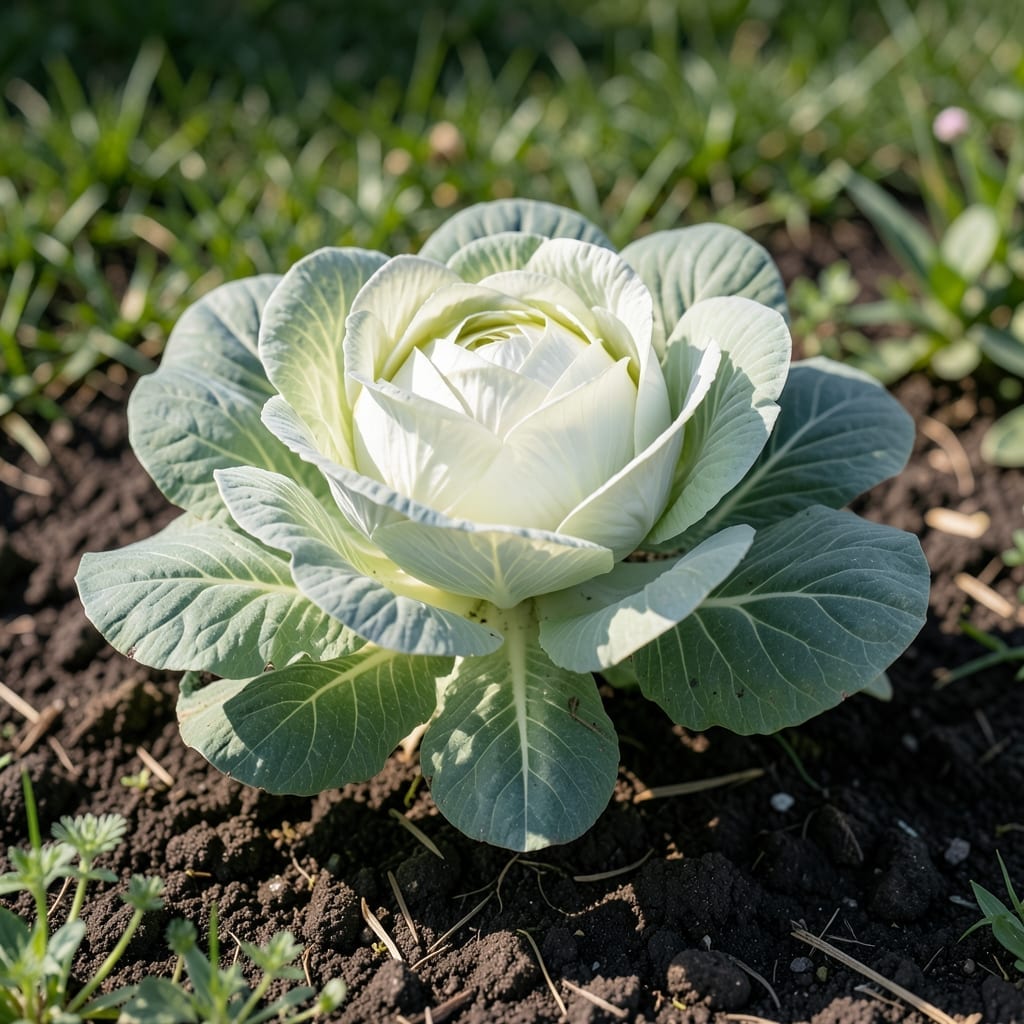
This cabbage changed my garden game completely. White Butterfly stands up to pests while others wilt, and it keeps producing through all four seasons with the right care.
You’ll get tender, sweet leaves that resist cabbage worms and loopers naturally. The plants stay compact, perfect for small spaces, and bounce back after harvesting. No fancy setup required—just consistent water and good soil.
📚 In This Guide
This method ensures robust, pest-resistant plants that produce crisp heads through multiple seasons.
Choose a location with full sun exposure, as this variety thrives with at least 6-8 hours of direct sunlight daily. The soil should be well-draining with a pH between 6.0 and 7.0—test with a kit if you’re unsure. I always work in a 2-3 inch layer of aged compost to improve fertility and structure before planting.
Loosen the soil to a depth of 12 inches to encourage deep root development. Remove any rocks, debris, or competing weeds that could hinder growth. This preparation step is non-negotiable; compacted or poor-quality soil leads to stunted plants and smaller heads.
If starting with seedlings, transplant them when they have 4-5 true leaves and harden them off for 7-10 days prior to moving outdoors. Space plants 12-18 inches apart in rows 24 inches apart to allow for air circulation, which reduces pest and disease pressure.
For direct sowing, plant seeds ¼ to ½ inch deep and 3 inches apart, thinning to the final spacing once seedlings reach 3-4 inches tall. Water immediately after planting to settle the soil around roots. I’ve found that evening planting reduces transplant shock significantly.
Keep the soil consistently moist but not waterlogged during the first 2 weeks after planting. You’ll know the plants are establishing well when new growth appears vibrant and upright.
White Butterfly cabbage requires 1-1.5 inches of water per week, either from rainfall or irrigation. Use a drip line or soaker hose to deliver water directly to the roots, keeping the foliage dry to prevent fungal issues. The soil should feel moist to the touch at a depth of 1 inch at all times.
Side-dress with a balanced, organic fertilizer when plants are 6 inches tall and again when heads begin to form. This variety responds well to consistent feeding but avoid high-nitrogen formulas late in the season, as they promote leafy growth at the expense of head formation.
While this variety is bred for pest resistance, vigilance is still key. Check the undersides of leaves weekly for cabbage worm eggs or aphid clusters. Introduce beneficial insects like ladybugs or use neem oil at the first sign of trouble—apply in the early morning or late evening to avoid harming pollinators.
Rotate crops annually to prevent soil-borne diseases. If you notice yellowing leaves or stunted growth, test the soil for deficiencies or pH imbalances. This variety is resilient, but it’s not invincible—early intervention makes all the difference.
Heads are ready for harvest when they feel firm and reach 4-6 inches in diameter, typically 70-90 days after transplanting. Use a sharp knife to cut the head at the base, leaving the outer leaves intact to encourage a second, smaller harvest from the same plant.
Harvest in the morning when the heads are most crisp. If you wait too long, the heads may split or bolt, especially in warmer weather. I’ve had success with succession planting every 3-4 weeks to extend the harvest window through fall.
Small adjustments in planting and care make a big difference in yield and quality.
Sunlight Requirement: The 6-8 hours of daily direct sunlight isn’t just a suggestion—it’s critical for tight, crisp heads. I learned this the hard way when my first planting in partial shade produced loose, leafy plants instead of compact cabbage. Position your rows to maximize morning sun exposure.
Soil Preparation Insight: That 12-inch soil loosening depth in Step 1 isn’t arbitrary. Deep roots mean better drought resistance and larger heads. Use a garden fork to break up compacted soil without disturbing the structure, and remove every rock you find—even small ones can deform developing heads.
Watering Technique: The 1-1.5 inches of weekly water must reach that 1-inch soil depth. I check by sticking my finger in the soil—if the top inch is dry, it’s time to water. Drip irrigation works best, but if hand-watering, direct the stream at soil level, never over the leaves, to prevent fungal issues.
Pest Monitoring Strategy: Those weekly leaf underside checks in Step 4 are your early warning system. Cabbage worms lay single eggs that are easier to remove than the clusters that appear later. Mark your calendar for these inspections—they’re as important as watering.
Yes! This variety is bred to deter pests such as cabbage worms and aphids, thanks to its natural compounds. While not 100% immune, it significantly reduces infestations compared to traditional cabbage.
Plant in early spring or late summer for optimal growth. It thrives in cooler temperatures (60-70°F) and can tolerate light frosts, making it ideal for year-round harvests in mild climates.
Absolutely! Use a deep container (12+ inches) with well-draining soil. Ensure it gets 6+ hours of sunlight daily and water consistently to keep the soil moist but not soggy.
Yellowing leaves often indicate overwatering, nutrient deficiencies (like nitrogen), or pest stress. Check soil moisture, fertilize as needed, and inspect for hidden pests under the leaves.