
Beautiful Plants For Your Interior
Beautiful Plants For Your Interior
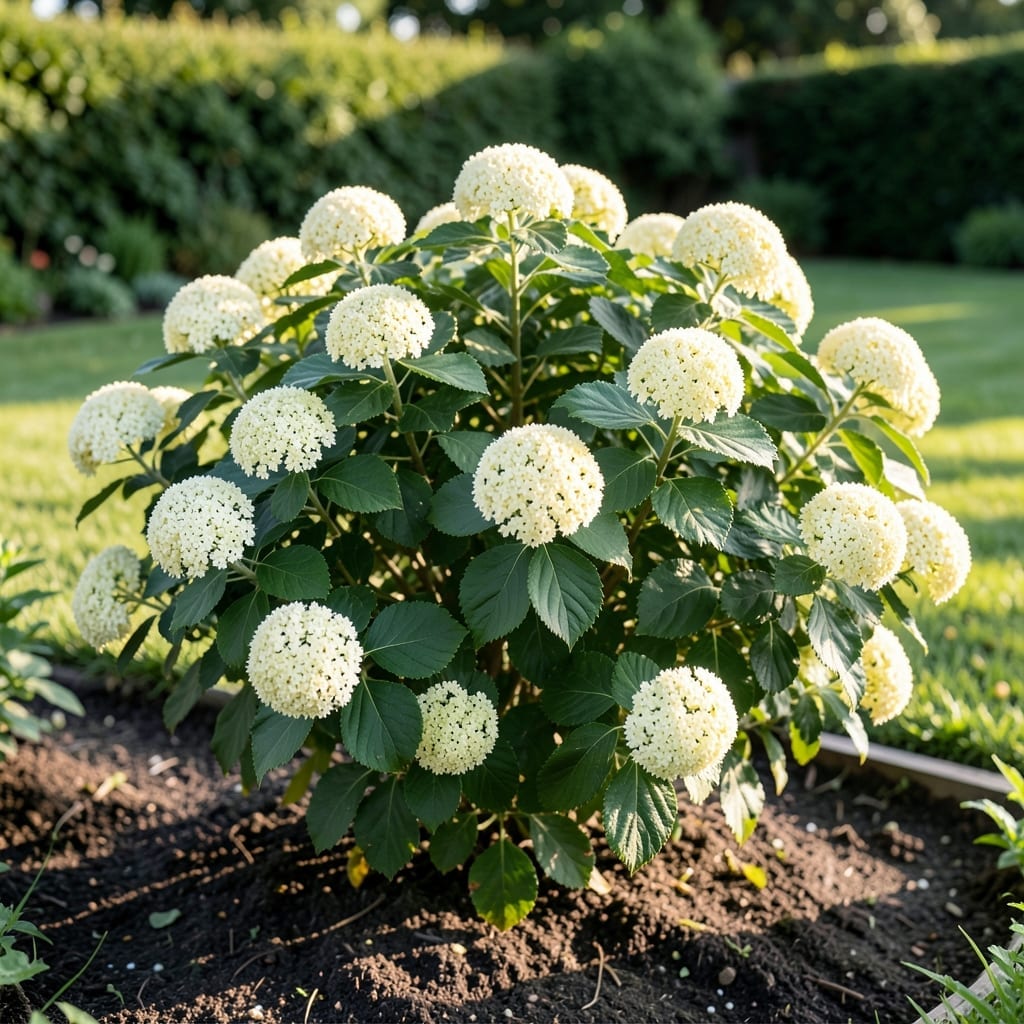
Those white balls on your tree aren’t decorative. I’ve seen mealybugs turn healthy branches into sticky, white-dotted messes overnight, and the problem spreads fast if you ignore it.
These pests cluster in protected spots like leaf axils and bark crevices, feeding on sap while leaving behind a cottony residue. They weaken trees, attract ants, and can even kill young plants if left unchecked.
Here’s the thing—early action saves your tree. A simple spray of soapy water or neem oil can knock them out before they multiply. For heavy infestations, pruning affected areas helps contain the damage.
Works for most ornamental and fruit trees. No fancy tools required, just consistent effort until they’re gone.
Those mysterious white, cottony clusters on your tree are rarely a random act of nature. Below are the primary causes, each backed by science and field observations.
Mealybugs (Pseudococcidae family) are soft-bodied insects that secrete a waxy, white substance as they feed on tree sap. This wax forms the characteristic ball-like clusters you see. They thrive in warm, humid conditions and often target stressed trees. Their feeding weakens the tree and can lead to sooty mold growth from the honeydew they excrete.
While less common for forming distinct balls, some fungi like powdery mildew can create white, powdery patches that may resemble clustered growths. This typically occurs in high humidity with poor air circulation. Unlike mealybugs, fungal growths are superficial and can be wiped away, revealing healthy tissue underneath.
Certain scale insects, such as cottony cushion scale (Icerya purchasi), produce white, fluffy egg sacs that adhere to branches. These sacs resemble cotton balls and are often mistaken for mealybug clusters. Scale insects are stationary but can rapidly multiply, leading to widespread infestations if untreated.
In rare cases, trees under severe stress (drought, nutrient deficiency, or pollution) may develop unusual growths, including white, ball-like structures. These are often the tree’s attempt to protect itself, such as producing excess sap or callus tissue. However, this is less likely to form the distinct white balls commonly associated with pests.
If you’ve spotted white, cottony clusters on your tree, mealybugs are likely the culprit. Here’s how to tackle each cause with simple, effective fixes—and keep them from coming back.
For mild infestations, start by removing heavily affected branches or leaves with sterilized pruners. Seal the debris in a bag and dispose of it immediately to prevent spreading. Prevention tip: Inspect trees weekly during warm months when mealybugs thrive. 💡
Mix 1 tablespoon of mild liquid soap (like Castile) with 1 quart of water and spray directly onto the white masses. The soap breaks down their protective coating, causing them to dehydrate. Reapply every 3–4 days for 2 weeks. Prevention tip: Avoid harsh detergents—they can harm the tree. ✨
Encourage ladybugs, lacewings, or parasitic wasps—mealybugs’ natural enemies—by planting nectar-rich flowers nearby. For faster results, purchase beneficial insects from garden centers. Prevention tip: Limit pesticide use to protect these helpers. 🎯
Apply neem or horticultural oil (follow label instructions) to suffocate mealybugs and disrupt their life cycle. Spray in the early morning or late evening to avoid harming beneficial insects. Prevention tip: Treat in spring or fall for best results. 🌡️
Proactive care is key: keep trees healthy with proper watering and fertilization to reduce stress, which attracts pests. A vigilant eye and quick action will keep your trees mealybug-free!
Yes, they can weaken the tree by feeding on its sap. Mealybugs and scale insects also attract ants and can lead to sooty mold growth. Address them quickly to prevent long-term damage.
For small infestations, yes. Use a cotton swab dipped in rubbing alcohol to dab the clusters, or prune affected branches. Always dispose of them in a sealed bag to avoid spreading.
Mealybugs and scale insects can crawl or be carried by wind to nearby plants. Isolate affected trees and treat all plants in the area to prevent further infestation.
Check weekly during warm, humid months when pests are most active. Early detection makes treatment easier and more effective.