
Beautiful Plants For Your Interior
Beautiful Plants For Your Interior
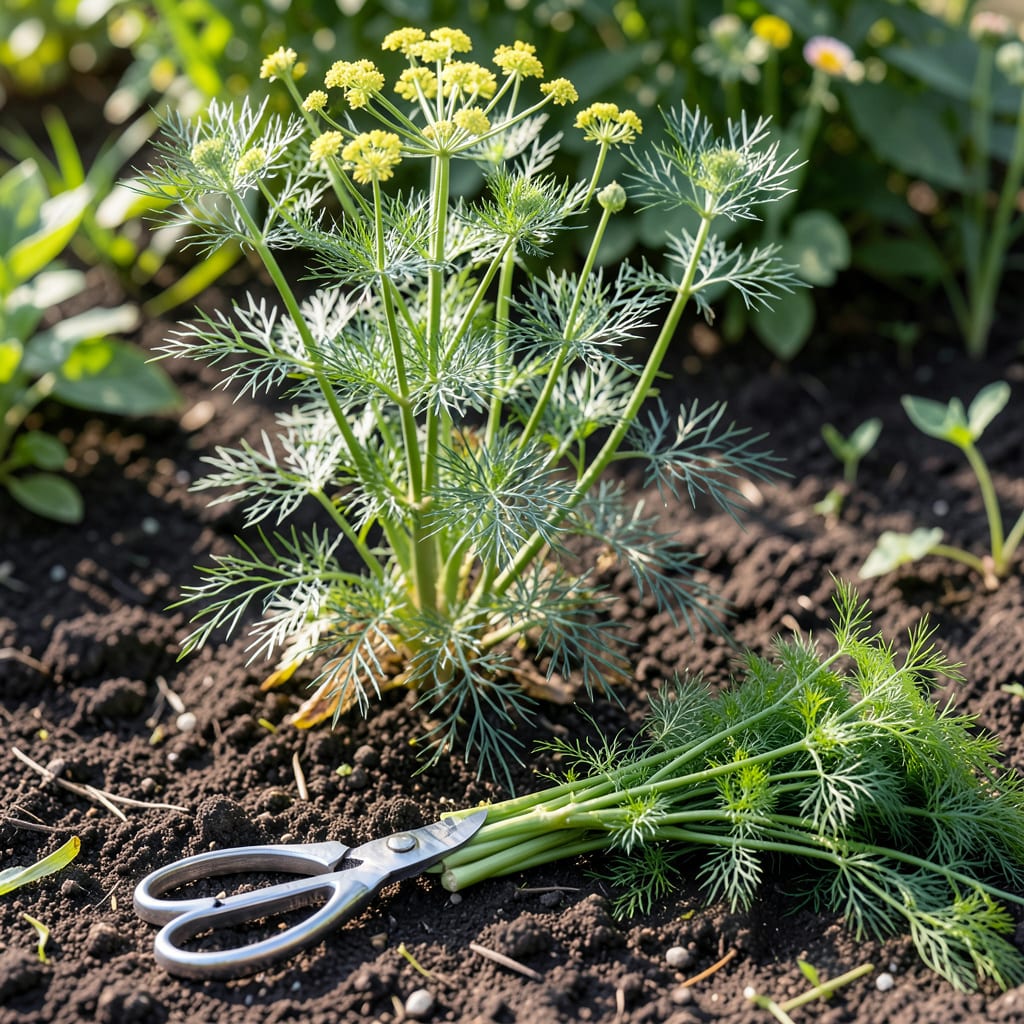
Harvesting 🌿 Dill the wrong way can leave you with weak, bitter leaves instead of that fresh flavor you love. The secret lies in knowing exactly where to make the cut.
I’ll show you the easiest method to harvest for maximum regrowth and the best taste. Let’s get your kitchen garden thriving the right way.


To get the most from your dill plants, you need to cut at the right spot. The best place is just above a leaf node, about 1/4 inch above where leaves emerge. This encourages bushier growth and prevents damage to the main stem.
I always use sharp pruning shears or scissors to make a clean cut. This helps the plant recover quickly and reduces the risk of disease. Never tear the stems, as this can stress the plant and slow regrowth.
| Cutting Location | Purpose |
|---|---|
| Above leaf node | Encourages new side shoots |
| Top 1/3 of stem | Prevents bolting early |
| Flower heads | Collect dill seeds |
When harvesting for fresh leaves, focus on the outer stems first. This allows the inner growth to mature for future harvests. I recommend cutting in the morning when the plant’s oils are most concentrated.
For a continuous supply, never remove more than 1/3 of the plant at once. This rule helps maintain the plant’s health and ensures it can keep producing. If you need a larger harvest, stagger your cuts over several weeks.
If your dill starts to flower, you can still harvest the leaves, but the flavor becomes stronger. For seed collection, wait until the flower heads turn brown. Then cut the entire stem and hang it upside down to dry.
The key to healthy dill is regular harvesting. The more you cut, the more the plant will branch out and produce. Just
Using the right technique also helps prevent pests and diseases. Clean cuts heal faster, reducing the chance of infection. I always disinfect my tools between plants to be extra cautious.
For the best results, harvest your dill when the plant is 2-3 feet tall with lush green leaves. This is when the flavor is at its peak. If the plant looks weak or pale, give it more time to grow.
With these tips, you’ll enjoy a bountiful dill harvest all season long. Happy gardening! ✂️
Even experienced gardeners make mistakes when harvesting dill plants. One of the most common errors is cutting too low on the stem, which can damage the plant and stunt its growth. Always leave at least 2-3 inches of stem above the soil.
Another frequent mistake is harvesting the entire stem at once. This removes potential growth points and reduces future yields. Instead, I recommend cutting only the top portion and leaving the lower leaves intact.
⚠️ Warning: Never cut more than 1/3 of the plant at a time. This can shock the dill and inhibit regrowth.
Waiting too long to harvest is another pitfall. If you let dill flower completely, the leaves become bitter and less flavorful. I check my plants daily during peak growth to catch them at the right stage.
Using dull tools can crush stems rather than cut them cleanly. This creates entry points for diseases. I always keep my pruning shears sharp and clean them with rubbing alcohol between uses.
Some gardeners harvest dill in the heat of the day, which can stress the plant. The best time is in the cool morning when the plant is most hydrated and the oils are strongest.
Finally, don’t ignore the plant’s health before harvesting. If your dill looks wilted or diseased, address those issues first. A healthy plant will recover better from harvesting and produce more flavorful leaves. ✂️
Dill offers different flavors at each stage, so your cutting location should match your goal. For fresh leaves, I harvest from the top 1/3 of stems before flowering begins. This gives the mildest, most aromatic taste.
When I want dill flowers for garnishes or pickling, I wait until buds form but cut just before they open. The stems should be cut 6 inches down from the flower head to allow regrowth.
For dill seeds, I let the flower heads mature completely until they turn brown and dry. Then I cut the entire stem about 8 inches from the top and hang it upside down in a paper bag to catch falling seeds.
The morning hours are ideal for all dill harvesting. I find the essential oils are most concentrated then, giving the best flavor. Always use clean, sharp tools to prevent crushing the delicate stems.
Remember, the younger the plant, the more tender the leaves. For continuous harvests, I rotate between plants, never taking more than 1/3 from any single plant at once. This keeps my dill patch productive all season. ✂️
Never remove more than 1/3 of the plant in a single harvest. This ensures the plant has enough foliage to recover and continue growing.
Use sharp pruning shears or clean scissors for a clean cut. Dull tools can crush stems, increasing disease risk and slowing regrowth.
Morning is ideal when essential oils are most concentrated. Avoid harvesting during the hottest part of the day as it stresses the plant.
Yes, but leaves become stronger flavored as flowers develop. For seeds, wait until flower heads turn brown then cut the entire stem.
