
Beautiful Plants For Your Interior
Beautiful Plants For Your Interior
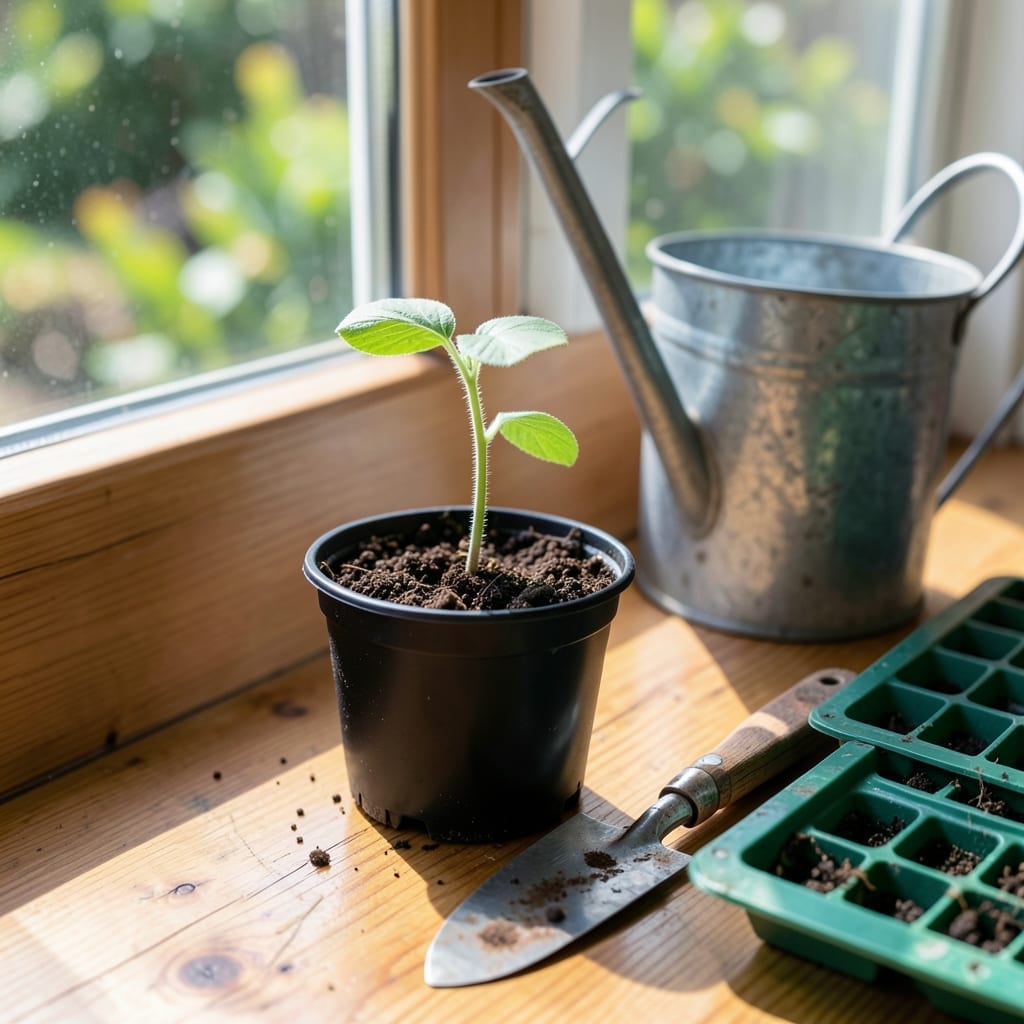
Transplanting germinated seeds too early or too late can make or break your garden. I’ve learned the hard way that timing is everything when it comes to General Seedlings.
Waiting for that perfect moment ensures your plants have the strongest start possible. It’s not just about the calendar – you need to watch for specific signs from your seedlings.
In zone 6, the ideal window typically falls between April and May, but there are other crucial factors to consider. Your plants will thank you for paying attention to these details.
Let me walk you through how to recognize when your General Seedlings are truly ready to thrive in their new home. The difference it makes is absolutely worth it.


Timing is everything when moving germinated seeds to their permanent home. I always watch for true leaves to appear—those second set of leaves that look different from the initial seed leaves. This is your first sign they’re ready for more space.
Another key indicator is root development. Gently tip your seedling from its container. If you see a dense white root ball or roots poking through drainage holes, it’s time to transplant.
| Sign | What to Look For | Why It Matters |
|---|---|---|
| True Leaves | 2-3 sets of real leaves | Seed leaves can’t photosynthesize like true leaves |
| Root Growth | Roots fill container or circle bottom | Prevents root-bound stress |
| Stem Strength | Thick and sturdy stem | Supports transplant shock recovery |
| Height | 2-3 inches tall | Indicates strong growth potential |
I also check the stem thickness. A sturdy, pencil-thin stem means your seedling can handle the stress of transplanting. Thin, spindly stems often indicate they need more light or time to mature.
The height of the seedling matters too. Most vegetables like tomatoes or peppers are ready at 2-3 inches tall. But flowers like marigolds might need an extra inch before moving.
Don’t forget to harden off your seedlings first. I start by placing them outside for 1-2 hours in partial shade, gradually increasing exposure over 7-10 days. This toughens them up for outdoor conditions.
Weather conditions play a huge role. I never transplant during cold snaps or extreme heat. Aim for mild temperatures between 60-75°F for most plants. Always check your local frost dates too.
For soil preparation, I work in compost or aged manure a week before transplanting. This gives the soil time to settle and ensures your seedlings get a nutrient boost right from the start.
If you’re transplanting into containers, make sure they’re at least 12 inches deep for root development. Shallow pots can stunt growth and lead to weak plants.
Finally, I always water seedlings thoroughly before and after transplanting. This helps the soil stick to the roots and reduces transplant shock. Keep the soil moist for the first week to help them settle in.
With these signs in mind, you’ll know exactly when your germinated seeds are ready for their new home 🌱
Transplanting at the right time prevents seedling shock and gives your plants a fighting chance. I always wait until my seedlings have 2-3 true leaves and a sturdy stem before moving them.
Preparing the new location is just as important as the transplant itself. I make sure the soil is loose, well-draining, and enriched with compost to welcome the young plants.
I always use a small trowel to lift seedlings carefully, keeping as much root soil intact as possible. This reduces stress and helps them adapt faster to their new home.
After transplanting, I give them a deep watering to settle the soil and eliminate air pockets. This step is crucial for root establishment in the first few days.
For the first week, I monitor them closely for signs of wilt or stress. If they look droopy, I provide temporary shade and ensure consistent moisture.
Remember, the best time to transplant is on a cloudy day or in the early evening to minimize stress from direct sunlight and heat.
🌱