
Beautiful Plants For Your Interior
Beautiful Plants For Your Interior
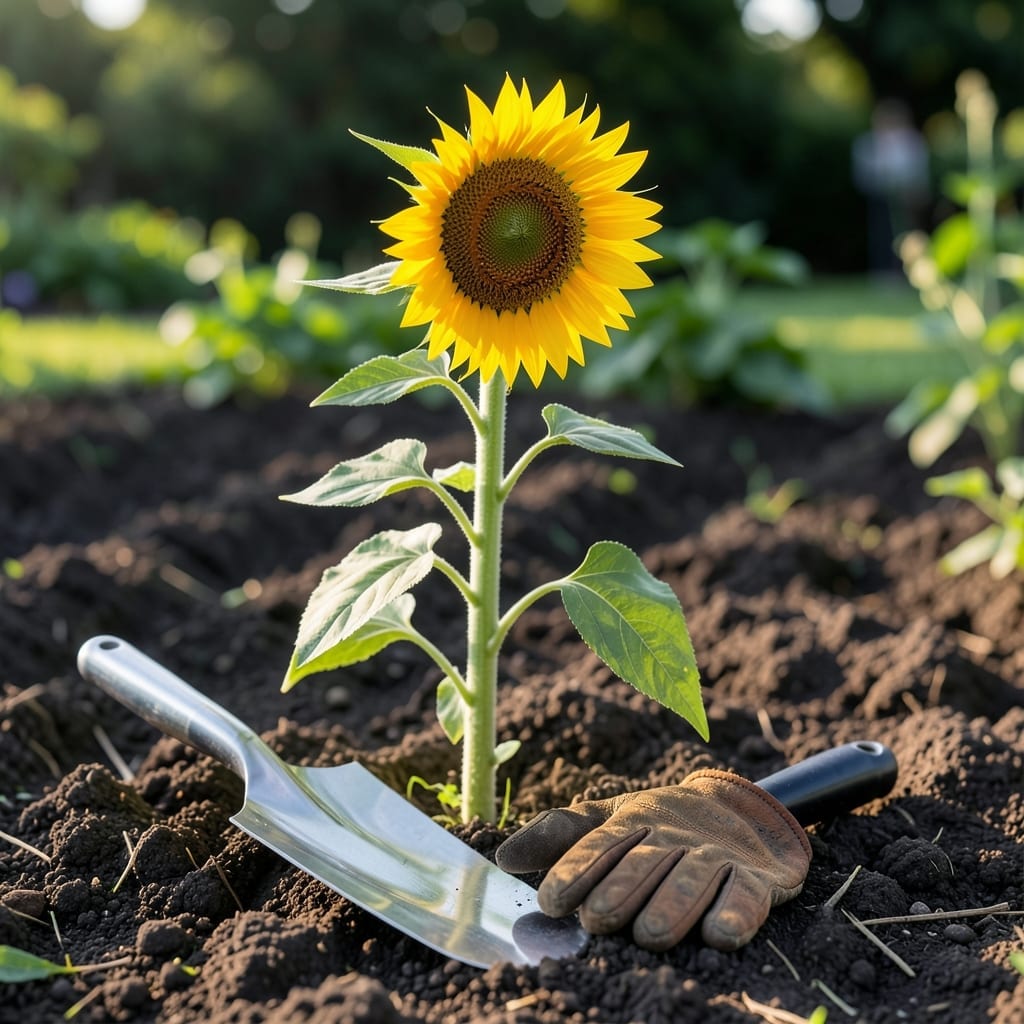
Transferring sunflower seedlings at the right time is the key to vibrant, towering 🌻 blooms that thrive all season long.
Do it too early or too late, and you risk stunted growth or transplant shock. Timing is everything when it comes to giving your sunflowers the best start.
I’ll walk you through the most important factors to consider, from seedling maturity to soil conditions. You’ll discover exactly when to make the move.
Let’s ensure your sunflowers grow strong and tall with this simple but crucial guidance.
Timing is everything when moving your sunflower seedlings to their permanent home. I’ve found that waiting until 2-3 true leaves appear is the sweet spot for minimizing transplant shock. This usually happens about 2-3 weeks after germination.
Your local last frost date is another critical factor. In USDA Zone 6, that’s typically around April 15. Transplanting after this date ensures your sunflower seedlings won’t be damaged by late frosts. ☀️
| Factor | Specification |
|---|---|
| Seedling Height | 3-4 inches tall |
| True Leaves | 2-3 sets developed |
| Soil Temp | 60°F or warmer |
| Frost Risk | After last frost date |
| Ideal Months | April, May |
Soil temperature is just as important as air temperature. I always check that the soil is at least 60°F before transplanting. You can use a soil thermometer or simply observe if weeds are growing—that’s a good sign the soil is warm enough.
Another key indicator is seedling height. Your sunflowers should be about 3-4 inches tall with sturdy stems. If they’re leggy or flopping over, they need more light or a stronger root system before moving.
I’ve learned that hardening off is non-negotiable. About 7-10 days before transplanting, start exposing your seedlings to outdoor conditions for a few hours each day. This toughens them up for the big move.
Weather conditions on transplant day matter too. Aim for a cloudy, calm day or transplant in the early morning to reduce stress. Avoid hot, windy days, which can dehydrate your seedlings quickly.
If you’re in a cooler climate, you might start seedlings indoors 4-6 weeks before the last frost. But in warmer zones, direct sowing might be better to avoid disturbing sensitive roots. 🌱
Once transplanted, give your sunflowers a deep watering to help settle the soil around the roots. I also add a layer of mulch to retain moisture and keep the soil temperature stable.
Remember, sunflowers are heavy feeders. Prepare your planting site with plenty of compost or aged manure to give them the best start. This extra effort pays off with taller, stronger plants and more vibrant blooms.
Finally, space your sunflowers properly—about 12-18 inches apart for dwarf varieties and 2-3 feet apart for standard types. This ensures good air circulation and reduces disease risk. 🌻
Timing your move is only half the battle—how you transfer your sunflower seedlings matters just as much. I always start by hardening off my seedlings for 7-10 days before the big move.
This gradual exposure to outdoor conditions helps them adjust to wind, sun, and temperature changes without going into shock. Trust me, skipping this step often leads to wilted or stunted plants.
I always dig holes slightly larger than the root ball to give the roots room to spread. This helps prevent root crowding and encourages faster establishment in their new home.
After planting, I give each seedling a deep watering to settle the soil and eliminate air pockets. This first drink is critical for helping the roots make contact with their new surroundings.
For the first two weeks, I check the soil daily and water whenever the top inch feels dry. Consistency here prevents transplant shock and keeps growth on track.
Remember, sunflowers are heavy feeders. A week after transplanting, I apply a balanced fertilizer to support their rapid growth phase.
With these steps, your sunflowers will establish quickly and grow into those towering beauties you’ve been dreaming of 🌻